
Last updated November 15, 2026
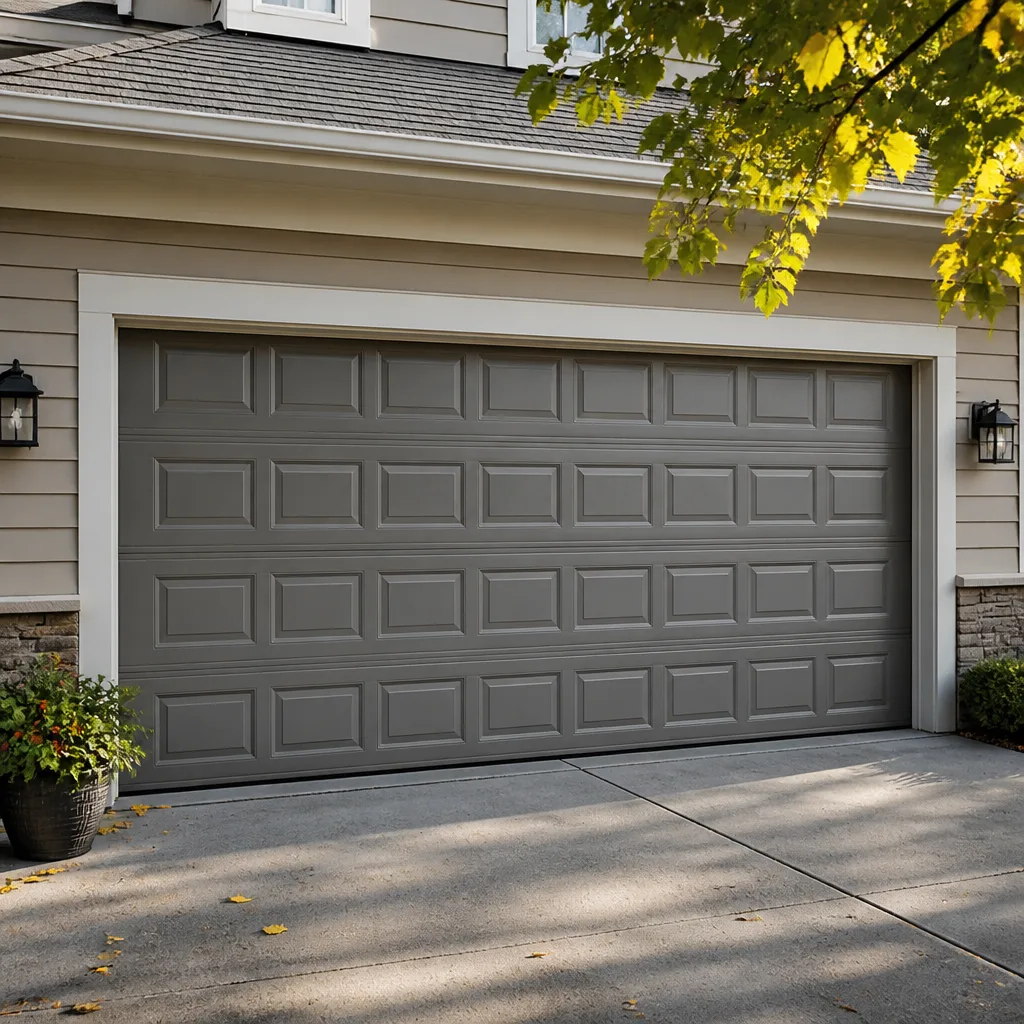 Raised-panel steel
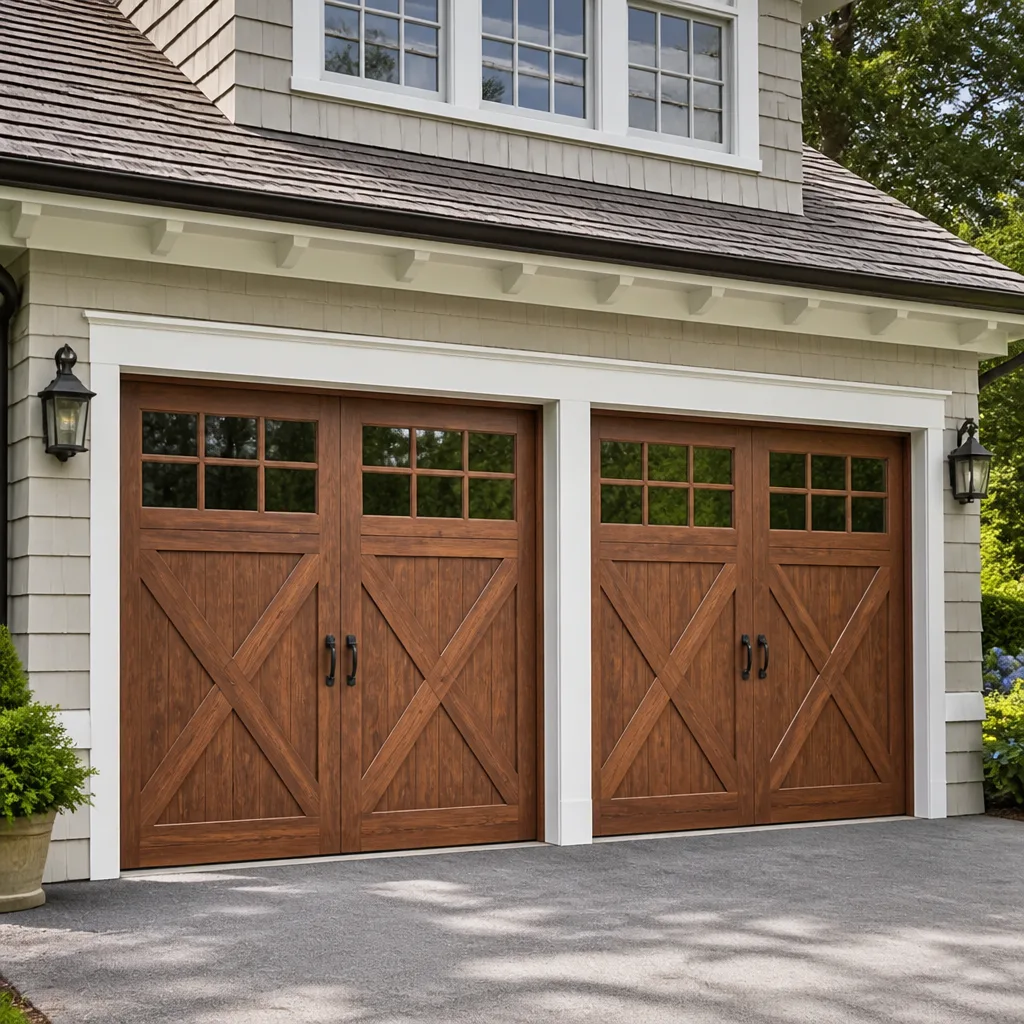 Carriage house
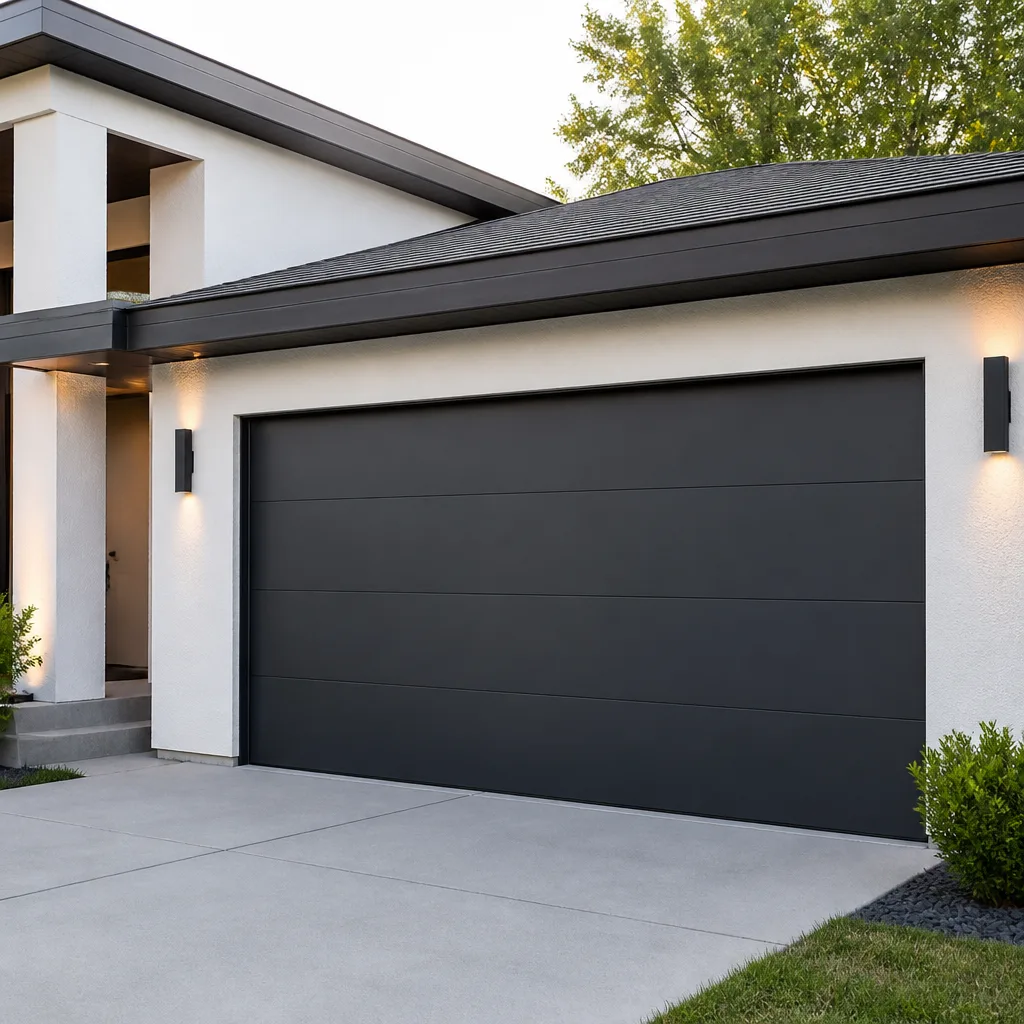 Modern flush
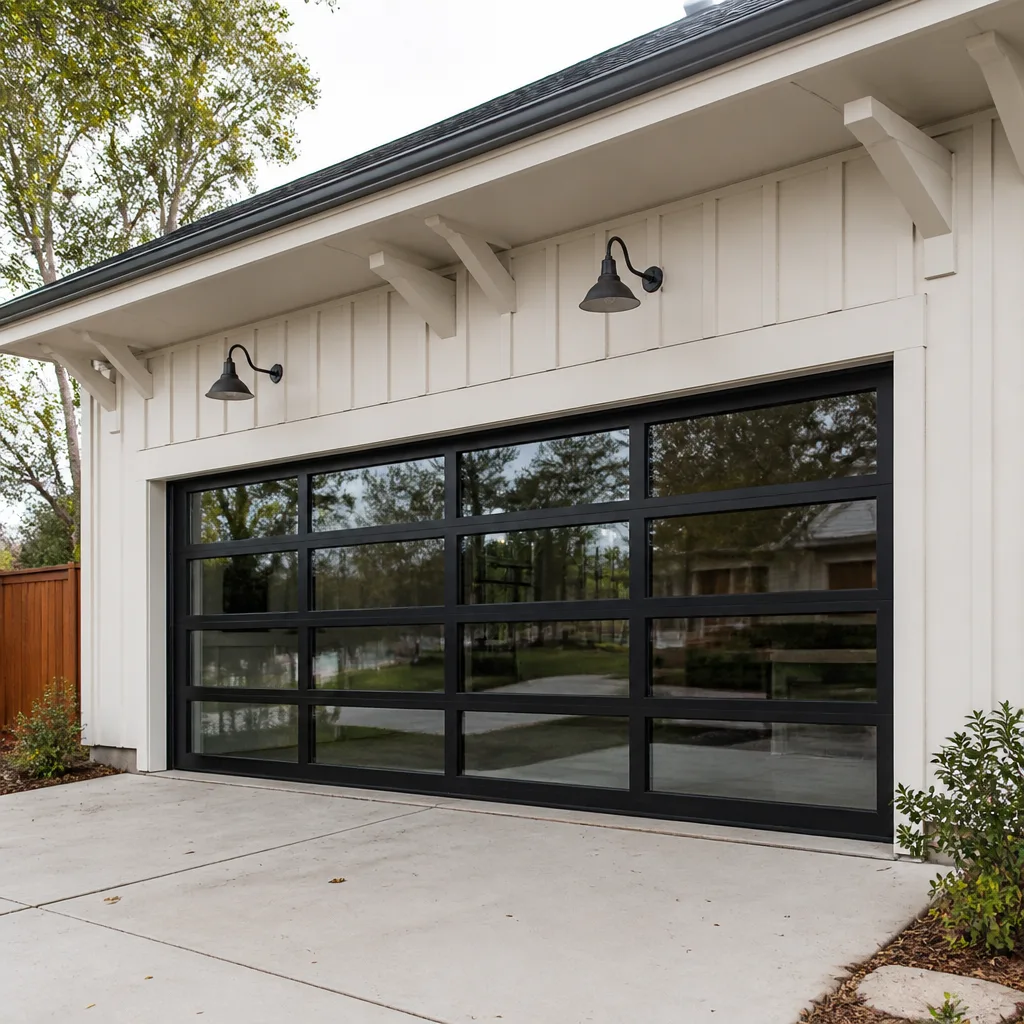 Full-view glass
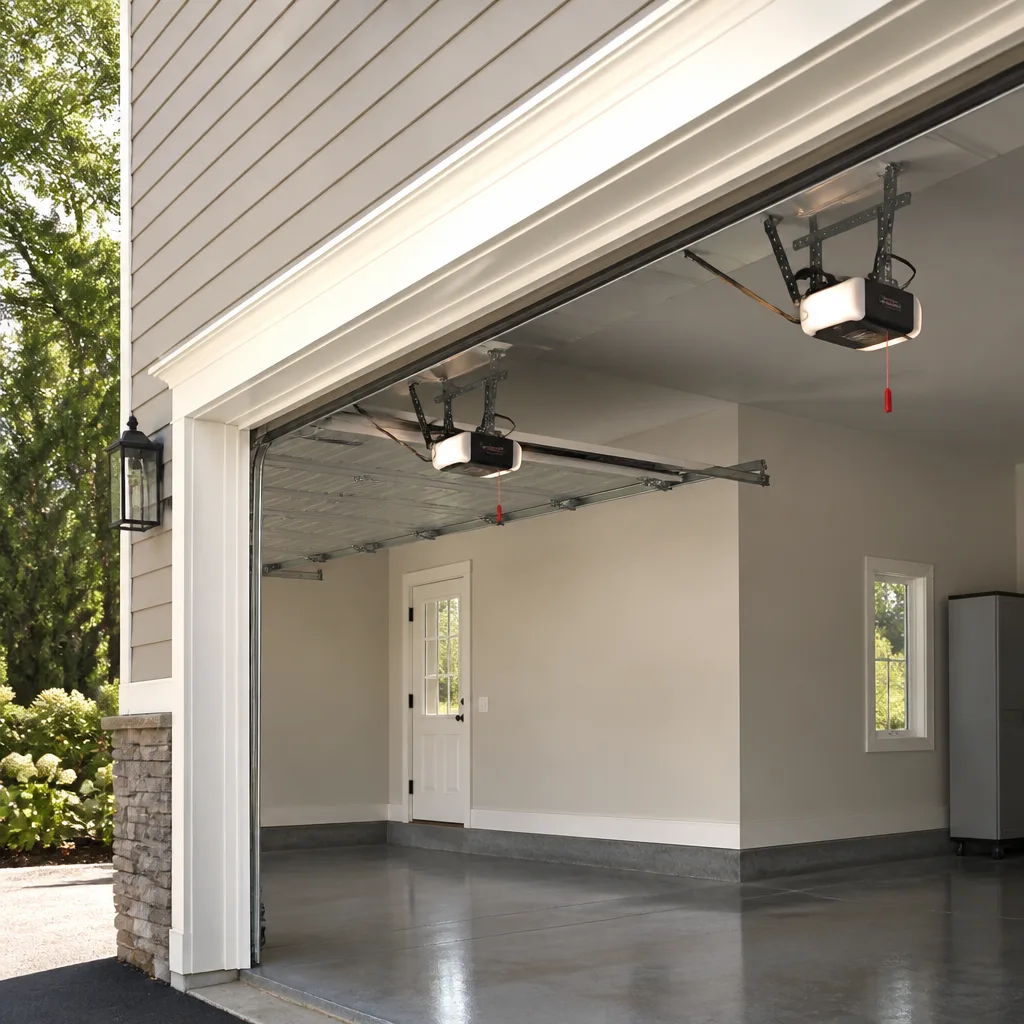 LiftMaster openers
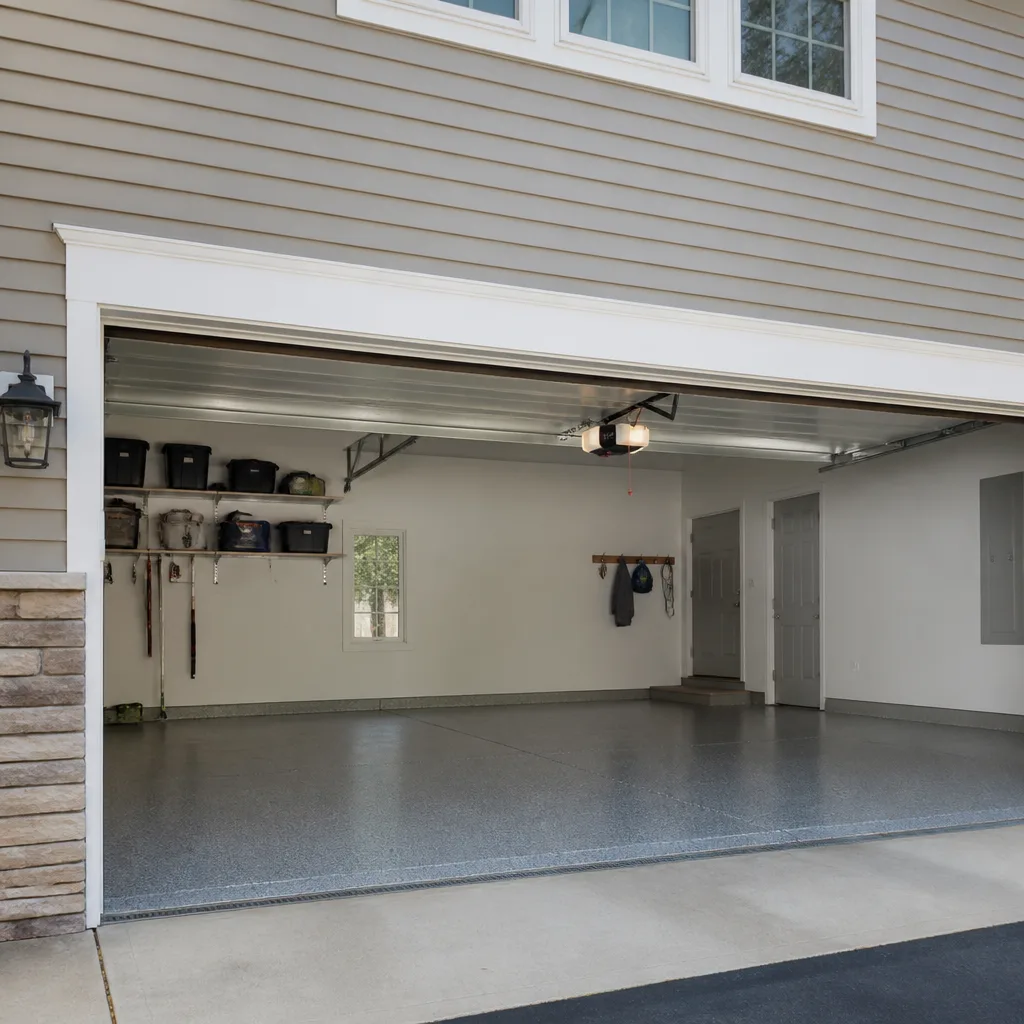 Chamberlain openers
Full 25-point door and opener safety check with every visit - springs, cables, rollers, tracks, and your LiftMaster or Chamberlain opener included
You get a price before we start. It does not change when the pro arrives.
Get your free estimateGarage Door Repair Troubleshooting in Hialeah: Common Problems and How to Fix Them
Most garage door troubleshooting advice floating around online was written for a climate with four seasons. South Florida has two: wet and hotter. That changes what fails and why. Here in Hialeah, the same door that operates fine for years can start squealing, reversing, or drifting off its track because humidity has swollen the wood frame it hangs from, or because heat cycling has loosened hardware one quarter-turn at a time. This guide teaches you to read your door’s symptoms the way a specialist does, so you can tell a spring problem from a cable problem before you touch anything, and know which fixes are genuinely safe to try yourself.
Quick Answer
Most garage door problems in Hialeah trace back to three root causes: humidity, heat cycling, and deferred lubrication. You can diagnose most of them by listening to the door, watching how it moves, and testing the opener separately from the door itself. Springs and cables are not DIY repairs. Lubrication, sensor alignment, and remote reprogramming usually are.
Styles & brands we work with
- Raised-panel steel
- Carriage house
- Modern flush
- Full-view glass
- LiftMaster openers
- Chamberlain openers
Table of Contents
- Why Hialeah Doors Fail Differently: The Three Root Causes
- How to Diagnose by Sound and Movement
- Opener or Door? The Test Most People Skip
- The Red-Line List: Symptoms That Mean Stop Using the Door
- Which Fixes Are DIY-Safe and Which Aren’t
- What to Check Every Wet Season
- How Different Brands Fail Differently
- Repair or Replace? How to Decide
Why Hialeah Doors Fail Differently: The Three Root Causes
Garage doors are metal, wood, and springs, all hanging from a wooden frame. In Hialeah, that frame lives in a climate that swings from humid summer air to air-conditioned interior and back again, every single day. That daily cycle is the engine behind most failures we see. Walk down almost any block near Amelia Earhart Park or Hialeah Park and you’ll find wooden garage frames with the same slow warping pattern happening in real time.
The three root causes break down this way:
- Humidity. Wooden frames and jamb boards absorb moisture and swell. When they swell, the clearance between the door panel and the frame shrinks, and the door starts scraping on one side. Metal track brackets bolted to swollen wood shift slightly, and the track goes out of plumb. Damp air also works on torsion spring coils, and a coil that corrodes from the inside loses tension unevenly, which is why a spring can snap on an otherwise healthy-looking door.
- Heat cycling. Asphalt driveways and concrete slabs expand and contract with the sun. The garage slab under the door can shift a fraction, which throws off the floor seal and makes the door ride up on an uneven edge. Hardware bolts that were torqued tight in cooler weather loosen as metal and wood expand at different rates.
- Deferred lubrication. This one is entirely avoidable. Rollers, hinges, and torsion bearings need lubrication. When they dry out, every cycle grinds a little harder, the opener works harder, and eventually something gives. A dry door is a door that’s aging faster than it should.
Once you know which root cause is driving your symptom, the fix narrows down fast. That’s the whole point of this guide.
How to Diagnose by Sound and Movement
You can identify most problems before you ever pick up a tool, using two senses: hearing and watching. Here’s how a specialist works through it.
Listen for the sound. A single sharp bang at the moment the door starts to open is the classic sign of a broken torsion spring. A rhythmic squeal that rises and falls with the door’s travel points to dry rollers or a dry bearing. A grinding noise near the opener motor itself usually means gear wear inside the opener, not the door. A click followed by silence is often a sensor or logic board issue. If you hear a snap and then the door won’t lift at all, stop. That’s a spring, and springs are never a safe DIY repair.
Watch for the movement. Stand outside and watch the door travel from closed to open. Ask yourself a few questions:
- Does the door move slightly sideways or shimmy as it rises? That suggests a track out of alignment or a worn roller.
- Does one side rise faster than the other? Uneven cable tension or a failing spring is the likely cause.
- Does the door hang up and stop partway up, then reverse? That’s usually a sensor, an obstruction, or a limit setting.
- Does it scrape going up, particularly on one side? A swollen wooden frame or an out-of-plumb track is a common Hialeah cause.
- Does it look crooked in the closed position, with a visible gap on one side? That points to a cable problem or a bent track.
If the door runs smoothly and quietly but the opener behaves oddly, skip ahead to the opener-or-door test below. If the door itself is noisy, uneven, or won’t move, the cause is almost certainly in the mechanical system.
Opener or Door? The Test Most People Skip
This is the single most useful diagnostic step most homeowners never try. Before you call anyone about a sticky or stubborn door, find out whether the problem is the opener or the door itself. Here’s the test:
- Pull the emergency release. This is the red handle hanging from the opener trolley. Pulling it disconnects the opener from the door. The door is now free to be moved by hand.
- Lift the door by hand to about halfway. It should move with reasonable effort. If it feels unusually heavy or you can barely lift it, the springs are doing too little work. If it wants to fly up and won’t hold position, the springs are doing too much work. If it grinds or scrapes, the door itself has a mechanical issue.
- Let it down slowly if it holds position. If the door stays put about halfway up, the balance is fine.
- Reconnect the release and run the opener. If the door ran smoothly by hand but the opener still struggles, the opener or its force settings are the problem.
That four-step test will tell you, in under two minutes, whether your opener is being blamed for a mechanical problem or whether the opener itself is the source. In our experience, more than half of the “my opener is broken” calls we get turn out to be a door problem. Repairing the door, not the opener, is the fix.
If the opener is the confirmed problem, that’s a specific service, and our garage door opener repair team handles LiftMaster, Chamberlain, Genie, and Craftsman systems with the same diagnostic approach. It’s worth knowing that a lot of openers get replaced when a gear, sensor, or logic board would cost far less to fix.
The Red-Line List: Symptoms That Mean Stop Using the Door
There are symptoms that tell you to stop using the door now and call for help. Homeowners routinely work around them, and working around them causes secondary damage that turns a small repair into a large one. Here’s the red-line list:
- A snapped torsion spring. You heard the bang, the door won’t lift by hand, or the door is sagging. Springs are under enormous tension. Never attempt to lift or repair a door with a broken spring. The door can drop suddenly.
- A visible cable hanging loose. Look at the cables that run along the sides of the door. If one is slack, dangling, or frayed, stop. Cables under load can snap and cause serious injury.
- A door hanging at an angle, with one corner sagging. This often means one side’s lift mechanism has failed. Running the opener will torque the door and bend panels and track.
- Track separated from the frame, or visibly bent. A detached track can drop the door. Do not cycle it.
- Repeated reversing when nothing is in the way and sensors are clean. This is sometimes a sign of force-limit or travel-limit problems that will eventually cause the door to slam. Stop and diagnose.
- Panels visibly bowed or rusted through at the hinges. The door structure is compromised, and the opener’s force is being applied to a weakened panel.
If you see any of these, stop operating the door entirely. Leave it in the closed position if it’s safe to do so. Then call a specialist. Springs and cables are genuinely dangerous, and we’d rather see a customer call us before the secondary damage happens than after. Our garage door repair team works with these symptoms every day, and a diagnosis call doesn’t commit you to a repair.
Which Fixes Are DIY-Safe and Which Aren’t
Some fixes you can do safely yourself. Others have sent homeowners to the emergency room. Here’s the honest breakdown.
Genuinely DIY-safe:
- Lubrication. A few drops of garage door lubricant on rollers, hinges, and torsion bearings will quiet down a noisy door meaningfully. Use a purpose-made garage door lubricant, not general-purpose oil or grease. Apply per the product instructions once every few months. This alone eliminates the most common cause of premature wear.
- Sensor alignment. If the door reverses when the beam shouldn’t be interrupted, look at the two small sensors near the floor on either side of the door. Each usually has a small LED. If one LED is off or flickering, loosen the mounting bracket slightly, realign until both LEDs are steady, and tighten. Clean the sensor lenses with a soft cloth, because in Hialeah the lenses pick up dust and moisture film.
- Remote reprogramming. Replacing the battery and reprogramming a remote per the opener manufacturer’s instructions is straightforward. LiftMaster, Chamberlain, Genie, and Craftsman remotes all follow slightly different programming sequences, so check the manual or the label inside the opener housing.
Do not attempt these yourself:
- Torsion spring replacement. The springs at the top of the door hold the door’s entire weight, often several hundred pounds. A wrong move with the winding bars can release that energy instantly. This is the one job we’d tell anyone to call for.
- Cable replacement or adjustment. Cables are the second half of the lift system and are under significant tension. A snapped cable whips and cuts.
- Track realignment or replacement. Tracks are heavy, the door hangs from them, and getting one out of plumb by a fraction can cause the door to fall.
- Opener installation. Modifying household wiring for a new opener requires electrical safety knowledge.
- Panel replacement on a sectional door. Panels interlock with the panel above and below. Removing one without proper support can drop the door.
If you’ve watched a video of a spring replacement and thought it looked manageable, please don’t. That specific repair has injured more homeowners than any other in this trade, and the physics are unforgiving. Repair first, replace only when repair no longer makes sense, and leave springs and cables to a trained professional.
What to Check Every Wet Season
Hialeah’s wet season runs roughly from May through October. That’s when humidity is highest and the daily cycle of moisture and air-conditioned air does the most work on your door system. A short checklist at the start of the season catches a lot of problems before they turn into red-line symptoms.
- Look at the wooden frame where the track brackets attach. Swelling there is the most common Hialeah failure point. If the wood is soft, sponge-textured, or visibly bowed, the track is likely out of plumb even if it looks straight. That’s a specialist’s call, because correcting it means supporting the door.
- Check the floor seal. The rubber seal at the bottom of the door should sit flat against the garage slab. If the slab has shifted or settled, the door may sit slightly cocked and let water and pests in. A small gap is normal; a visible wedge of daylight means the seal needs attention.
- Lubricate every moving part. Rollers, hinges, torsion bearings, and the opener rail. This is the highest-value twenty minutes a homeowner can spend on their door.
- Test the safety reverse. Place a roll of paper towels or a small piece of wood flat on the floor in the door’s path, close the door, and confirm it reverses. If it doesn’t, the sensors or the opener’s force settings need adjustment, and that’s an opener issue.
- Look at the spring coils. You’re not looking for rust on the surface. You’re looking for a spring that has lost the even spiral pattern, which signals internal corrosion. Don’t try to adjust it yourself.
- Wipe down and test the sensors. Dust, moisture, and even webs can throw off the sensor beam. A quick clean and LED check takes a minute.
Opening and closing the door a few times and listening is the cheapest inspection in the world. If something sounds different from last season, that’s your cue to investigate.
How Different Brands Fail Differently
Garage doors and openers from different manufacturers have their own failure patterns, and that’s the single biggest reason we spend time on brand-specific diagnosis. Same symptom, different cause. Here’s a rough sense of what we’ve seen.
- Clopay and Amarr doors. These are among the most common doors in Hialeah’s homes. Their panel construction and hinge points are similar enough that panel-panel scraping is the usual symptom once the wood frame around them swells. Keeping the frame dry and the hinges lubricated prevents most of it. When the panels themselves warp from long-term moisture exposure, that’s a replacement conversation, not a repair.
- Wayne Dalton doors. Depending on the model, some Wayne Dalton doors use a proprietary spring and track system. Those components are trickier to source and need proper identification before work starts. If we know your model, we know which likely failure points to check first.
- Craftsman openers. Older Craftsman units have particular gear wear patterns. A Craftsman that runs the motor but doesn’t move the door is almost always a stripped gear, and that’s a legitimate repair.
- LiftMaster and Chamberlain openers. These brands share a lot of internal design. Logic board and travel-limit issues show up as erratic reversing or the door stopping partway. Diagnosing which one of those it is saves the homeowner a full system replacement every time.
The point isn’t to master every brand. It’s to know that the same symptom on two different brands can have two different fixes. That’s why a specialist shop is a real advantage over a generalist handyman here. Our Rutherford Garage Door Repair team works on eight major brands every week, so we recognize the failure pattern before we climb the ladder.
Repair or Replace? How to Decide
Most failed doors can be repaired. But there’s a point where repair stops making sense, and it’s worth knowing where that line is.
Repair usually wins when:
- The door structure is sound. Panels, stiles, and hinges are intact, even if the door is noisy or uneven.
- The problem is mechanical. Springs, cables, rollers, hinges, and track realignment are repairs, not replacements. Our garage door repair specialists handle those every day.
- The opener is the issue but the door is fine. Repairing or replacing the opener alone is nearly always better than replacing both. We repair LiftMaster, Chamberlain, Genie, Craftsman, and more.
- The door is a current-production model with available parts. Clopay and Amarr panels and hardware are generally easy to source.
Replacement usually wins when:
- The panels are structurally compromised or rusted through. That means the door’s frame is failing, not just its finish.
- The door is a discontinued model and the damage is broad enough that parts aren’t the bottleneck. At that point, replacing the panel system whole is a better investment.
- Safety or code considerations warrant a modern door. Ask your city’s building department if a residential garage door replacement needs a permit in your specific situation.
If you’re uncertain, that’s not a decision to rush. Rutherford Garage Door Repair carries all three core services under one roof, which means the diagnostic recommendation is based on the door’s actual condition, not on what’s easiest to schedule. Our Hialeah customers get that same diagnosis as anyone else. That’s the entire point of a specialist.
Common Mistakes to Avoid
- Greasing a torsion spring instead of lubricating it. Grease traps dust and grit and accelerates internal wear. Use a garage door-specific lubricant, not general-purpose grease.
- Replacing an opener when the door is the problem. Run the emergency-release test first. If the door is heavy or won’t stay put halfway up, the opener is fine and the springs are the culprit. Replacing the opener won’t fix a spring.
- Ignoring a swollen wooden frame in humid weather. In Hialeah, the wood frame around the door is the most common silent culprit. If you notice the door scraping on one side, check the wood first.
- Testing the safety reverse by putting your hand in the path. Use a roll of paper towels or a small piece of wood. Never test with an arm, leg, or a child in the path.
- Threading a snapped torsion spring back into place. We’ve seen homeowners try it. It doesn’t work, and it’s extremely dangerous. Springs are replaced, not repaired.
- Adjusting force limits by guessing. Modern openers have force and travel limits that need to be set correctly. Increasing force to work around a stubborn door masks the real issue and can crush anything in the door’s path.
- Assuming a rusted spring means the door needs replacement. A rusted spring is a spring problem. The door is a separate system. Repair the spring, keep the door.
See the difference
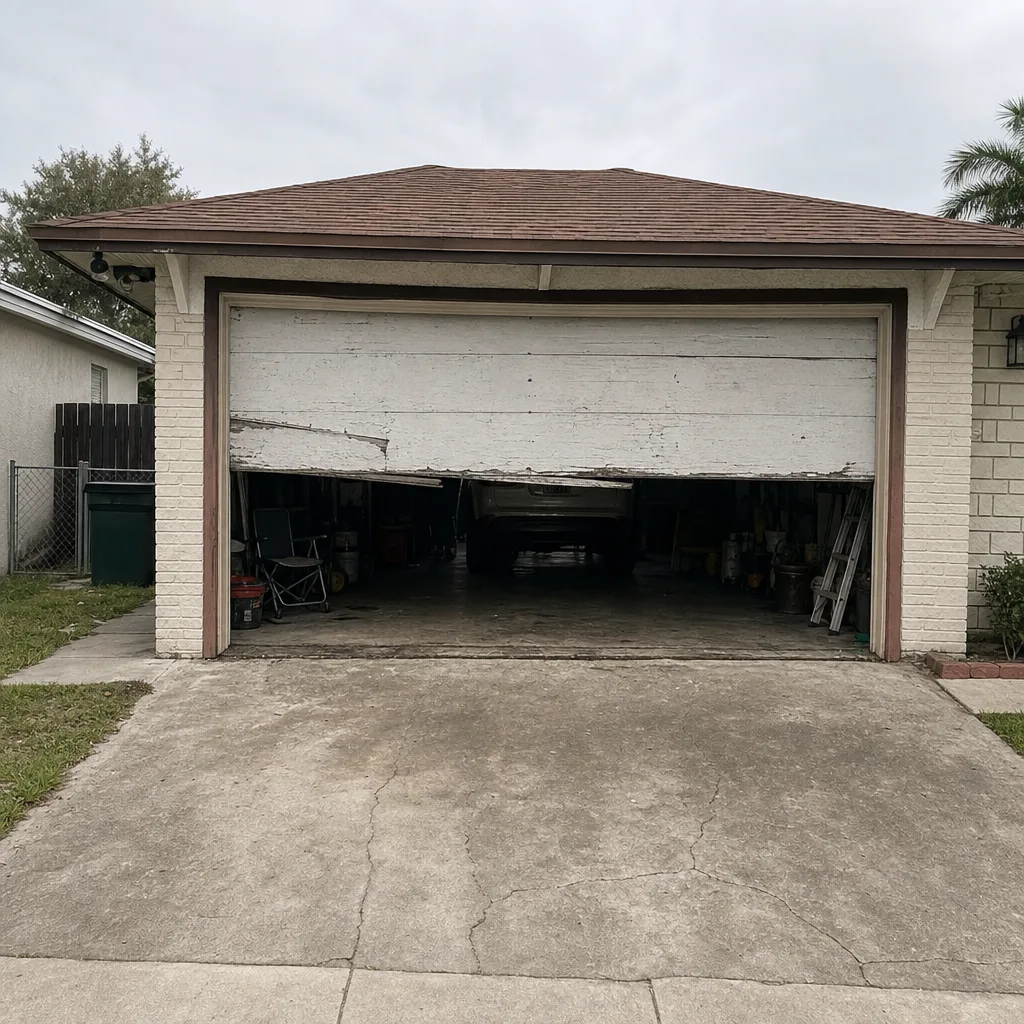 Before
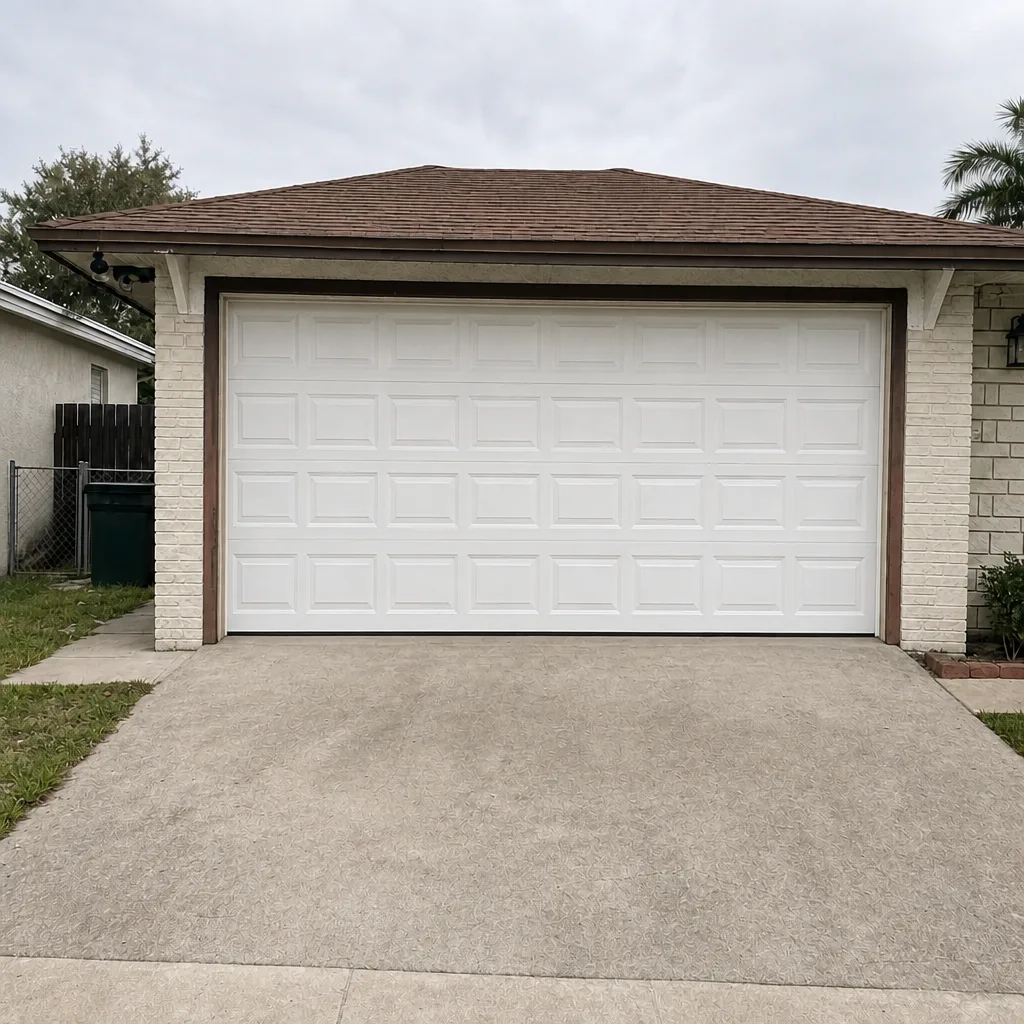 After
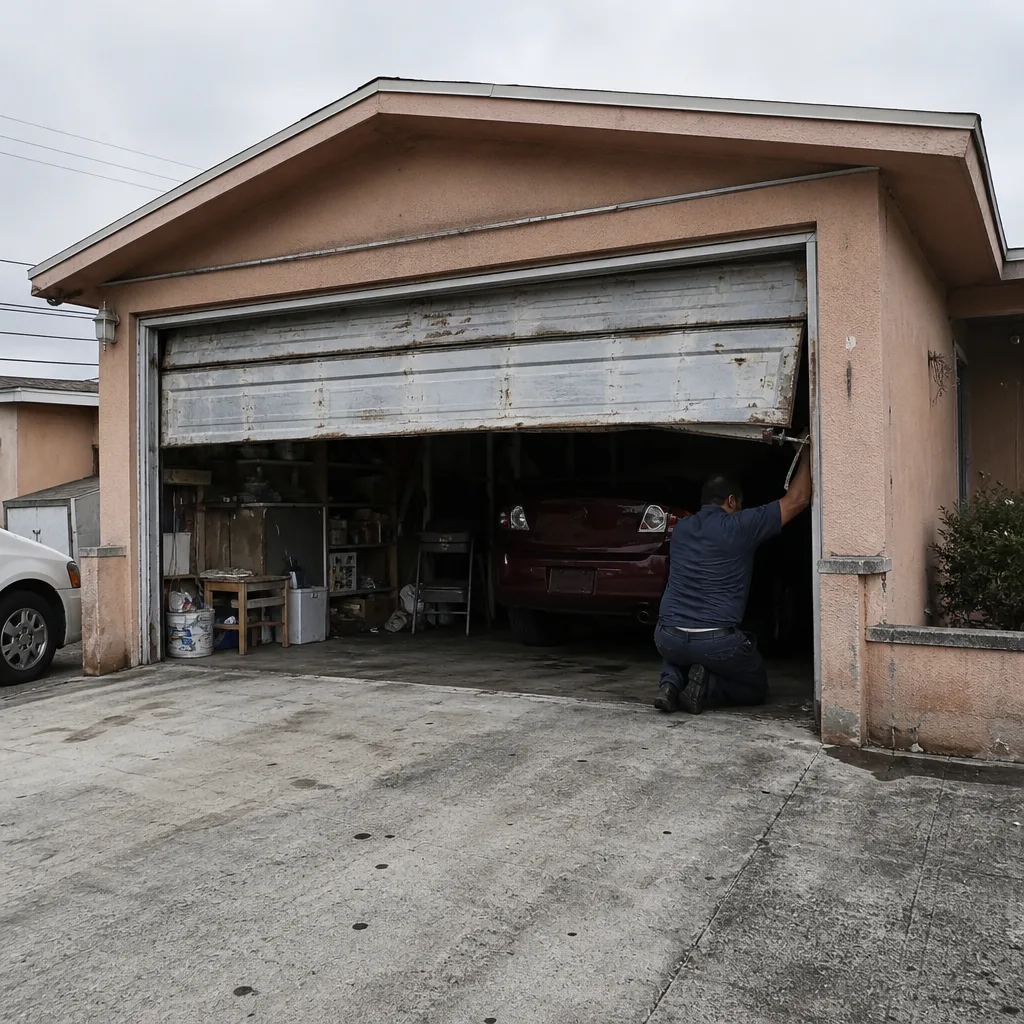 Before
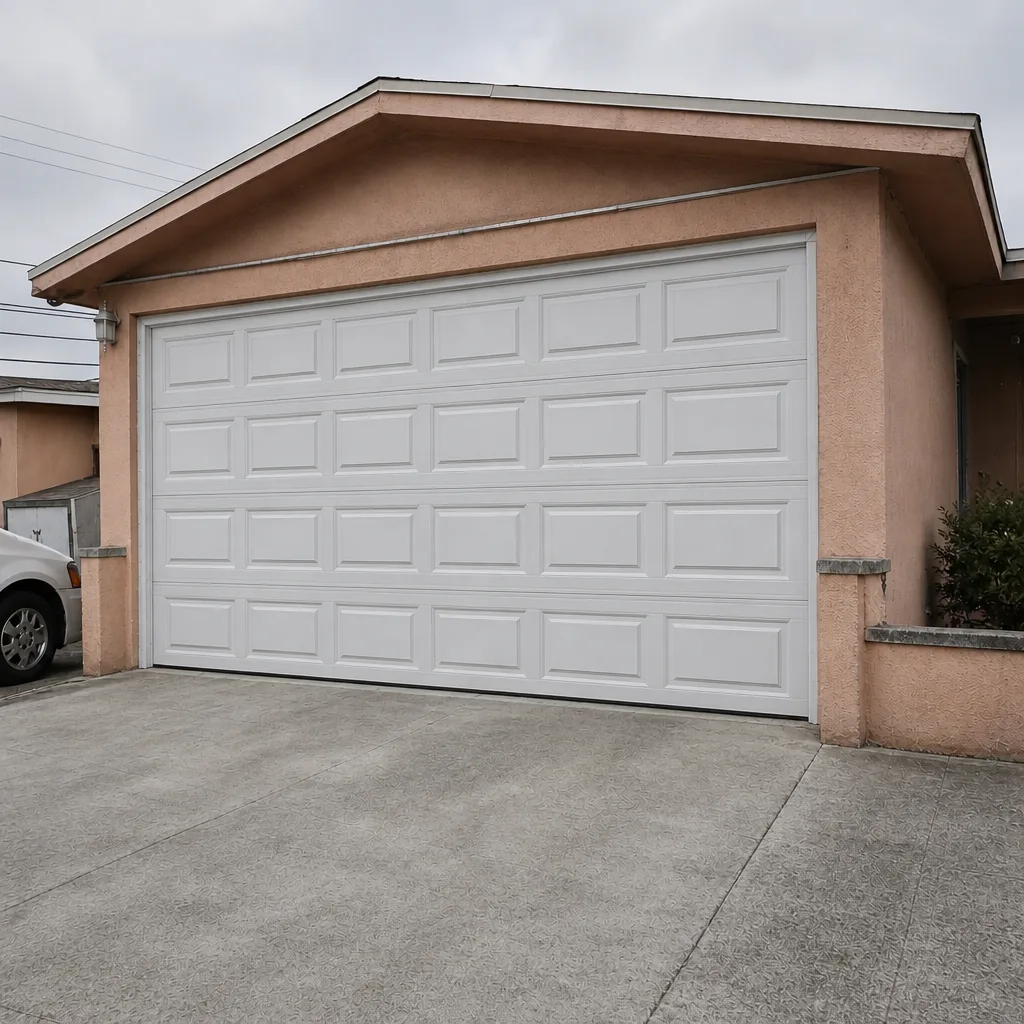 After
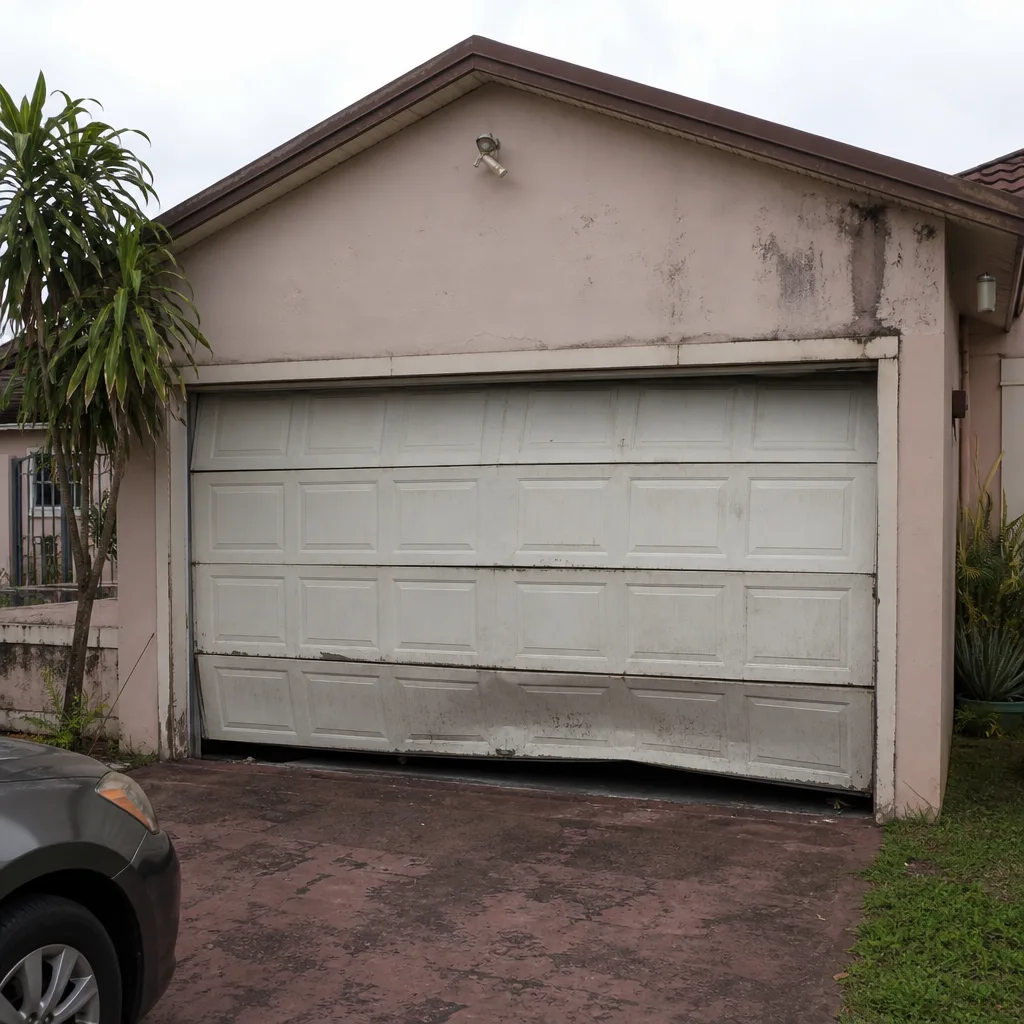 Before
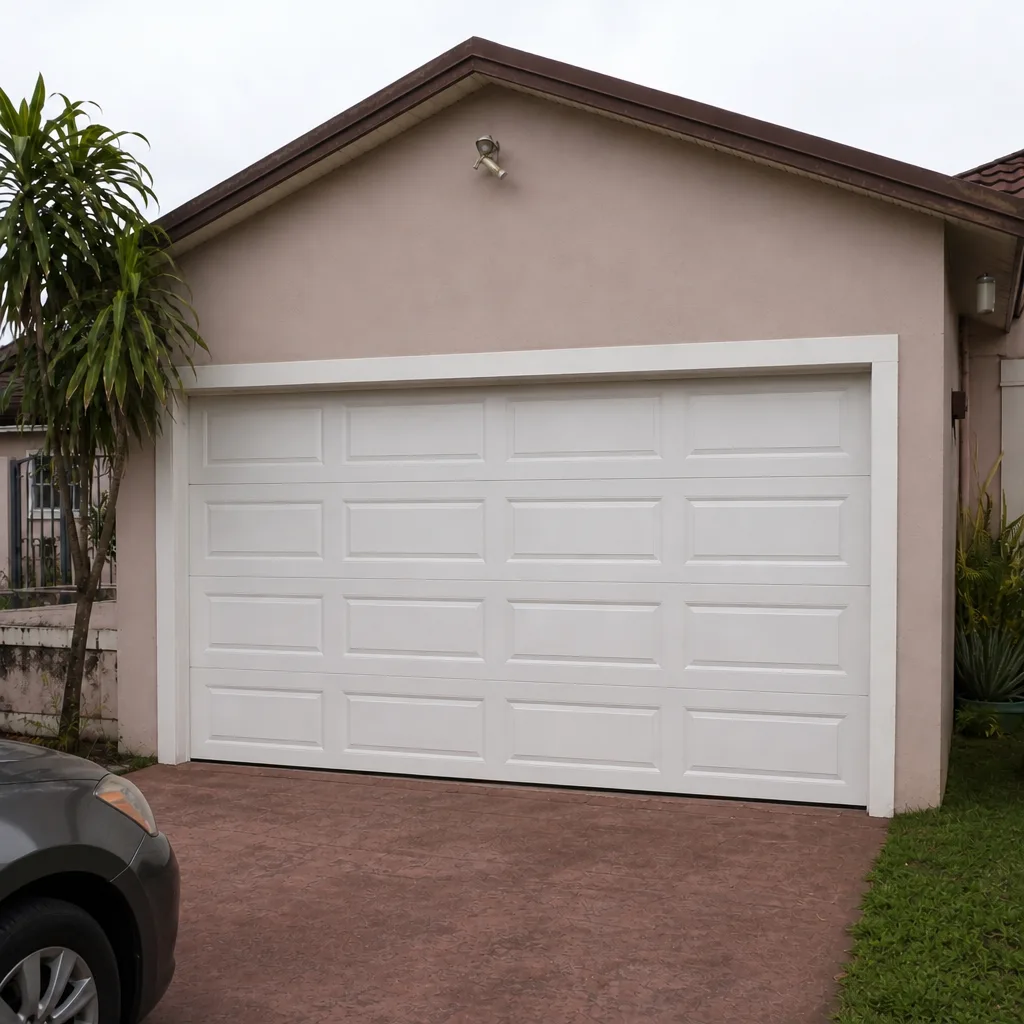 After
When to Call a Professional
If you’ve got a red-line symptom (snapped spring, slack cable, bent track, door hanging crooked), stop using the door and call. Don’t wait to see if it’ll clear up. If the emergency-release test shows the door is unusually heavy or won’t stay put halfway up, that’s a spring or balance issue and it’s a specialist’s job. If the opener runs but doesn’t move the door, that’s a genuine opener repair. If you’re uncertain about repair versus replacement, a free estimate is the honest way to find out. Rutherford Garage Door Repair offers free estimates in Hialeah. Call (877) 326-5883. We answer 24/7, and our crews run fast dispatch from 7am to 7pm, Sunday through Friday.
Frequently Asked Questions
The most common problem is a torsion spring failure driven by humidity and age rather than impact. Springs corrode from the inside in Hialeah’s humid air and weaken faster than they would in drier climates, which is why we see more spring snaps here than cable failures. If the door won’t lift by hand and you heard a bang, it’s the spring. Call (877) 326-5883 for an exact quote. Estimates are free.
No. Torsion springs hold the door’s entire weight, often hundreds of pounds, and a mistake with winding bars can release that energy in a fraction of a second. This is the single most dangerous repair in the trade, and the fix is always a trained professional with the right equipment. Call (877) 326-5883. Estimates are free.
Pull the red emergency release and lift the door by hand to about halfway. If it’s easy to move and holds position, the door is fine and the opener is the problem. If it’s heavy, won’t lift, or won’t stay put, the door needs mechanical work. Call (877) 326-5883 if the test doesn’t give a clear answer. Estimates are free.
The safety sensors are usually the cause, either misaligned, dirty, or blocked by something in the beam path. Wipe the lenses and check the LEDs on each sensor. If both are steady and the door still reverses, the opener’s force or travel limits need adjustment. Call (877) 326-5883 if alignment doesn’t fix it. Estimates are free.
No. The price is set by the written estimate you agree to before any work starts. If we find an additional problem during the job, we stop and re-estimate with you, never proceed on a surprise invoice. Call (877) 326-5883 for a free estimate.
Yes, our technicians are state-licensed and insured, and they work exclusively on garage doors and openers. Our technicians have up to 9 years of experience across eight major brands including Clopay, Amarr, Wayne Dalton, LiftMaster, Chamberlain, Genie, Craftsman, and Raynor. Call (877) 326-5883 for a free estimate.
The Bottom Line
Hialeah garage door problems are less mysterious than they look. Almost everything traces back to humidity swelling the wooden frame, heat cycling loosening hardware, or lubrication that got deferred. Read the symptoms first, in this order: sound, movement, then the opener-versus-door test. Red-line symptoms mean stop using the door and call. DIY-safe work (lubrication, sensor alignment, remote reprogramming) is worth learning. Springs, cables, and track realignment aren’t worth the risk. Repair first, replace only when repair no longer makes sense, and get the diagnosis from a specialist who knows what they’re looking at.
If you want a specialist to come out and give you a free, honest diagnosis, call Rutherford Garage Door Repair at (877) 326-5883. We answer 24/7, and our crews run fast dispatch from 7am to 7pm, Sunday through Friday.
Written by the team at Rutherford Garage Door Repair.