
Last updated November 15, 2026
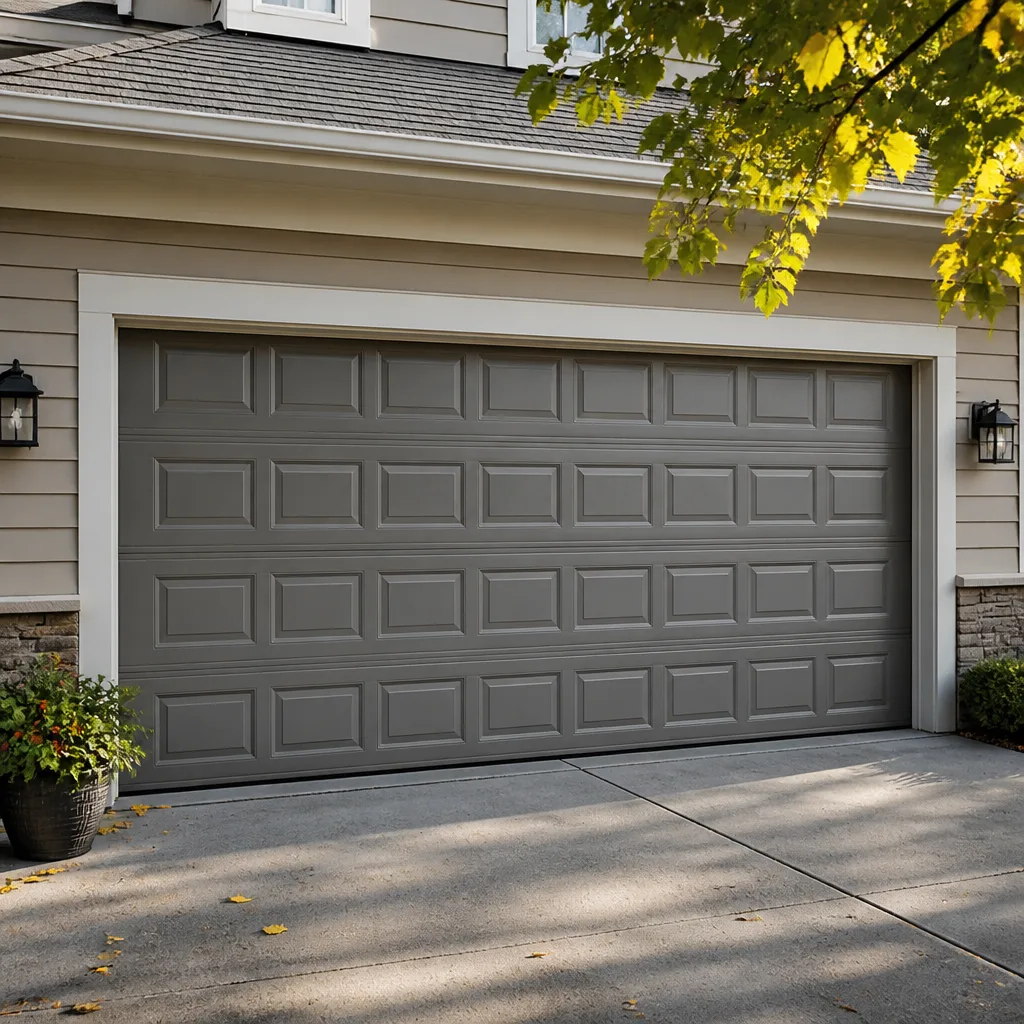 Raised-panel steel
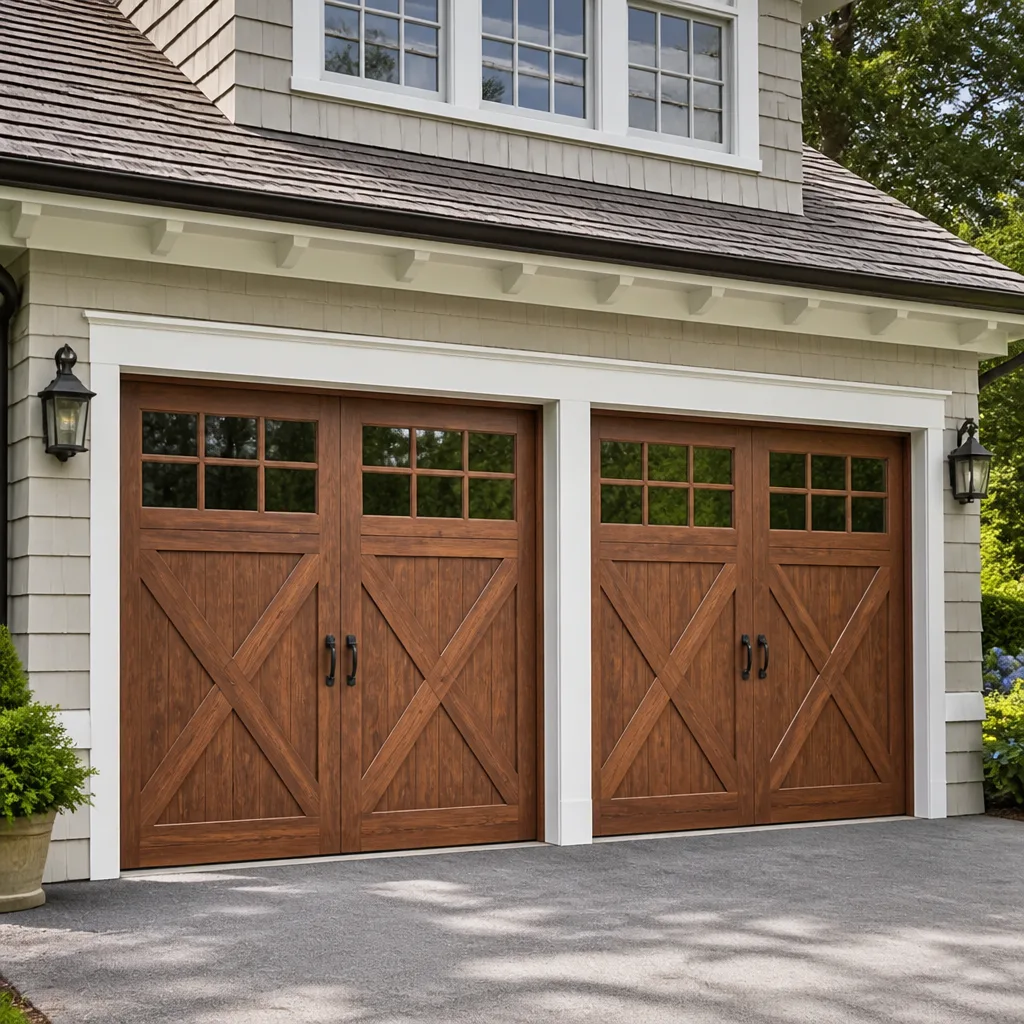 Carriage house
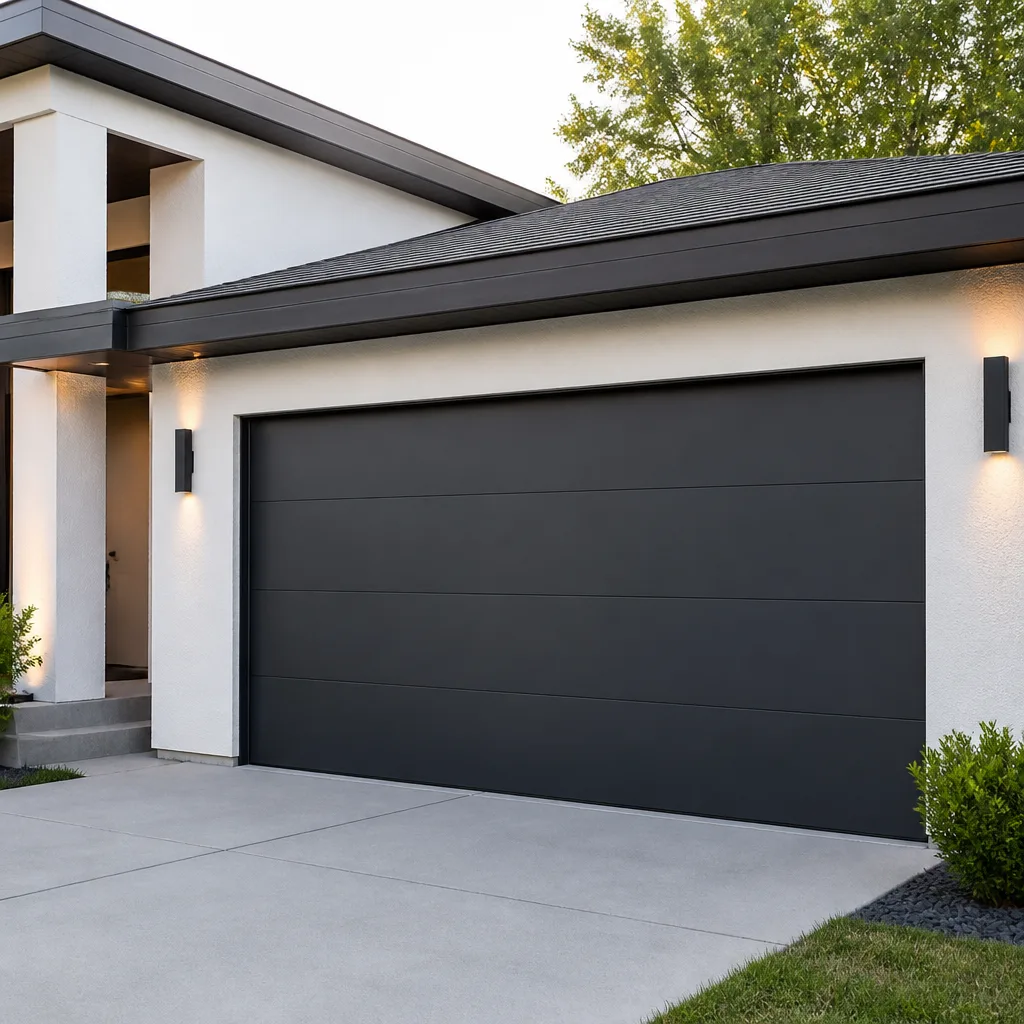 Modern flush
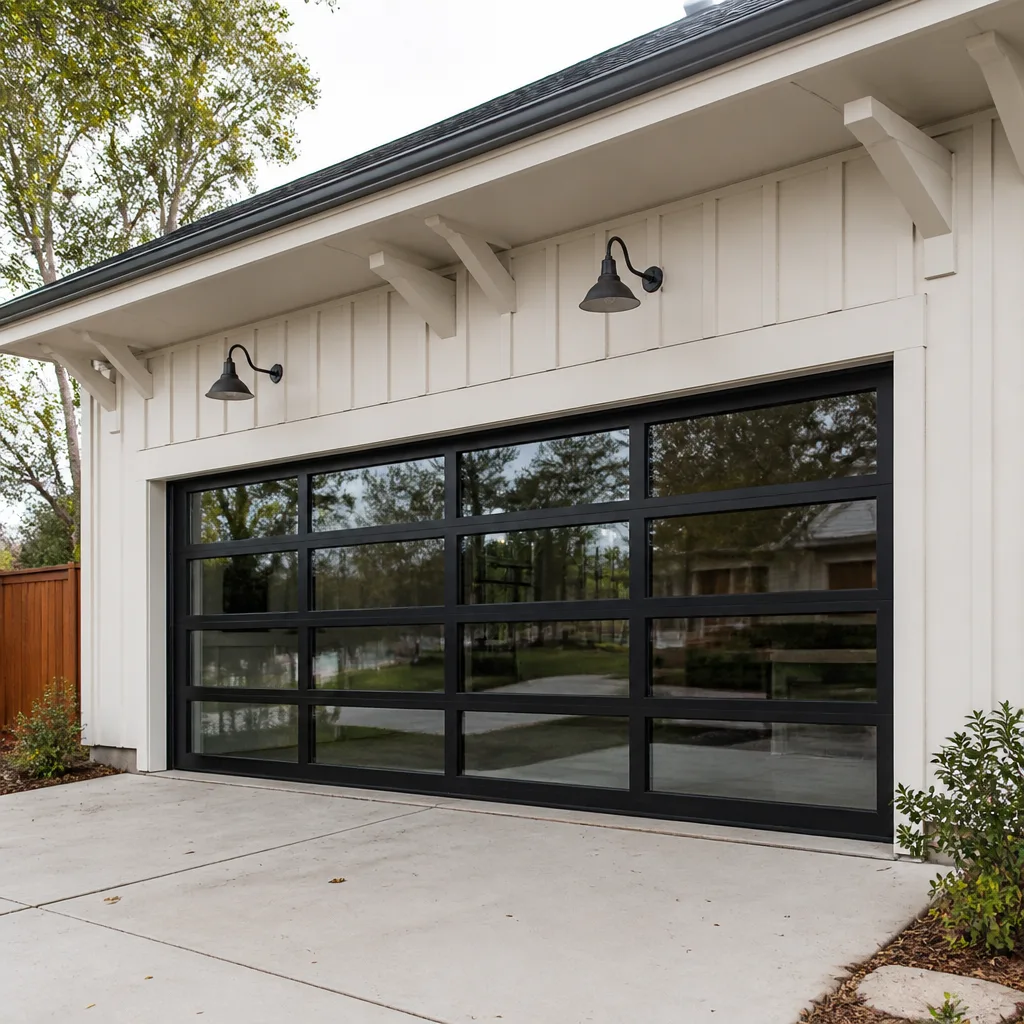 Full-view glass
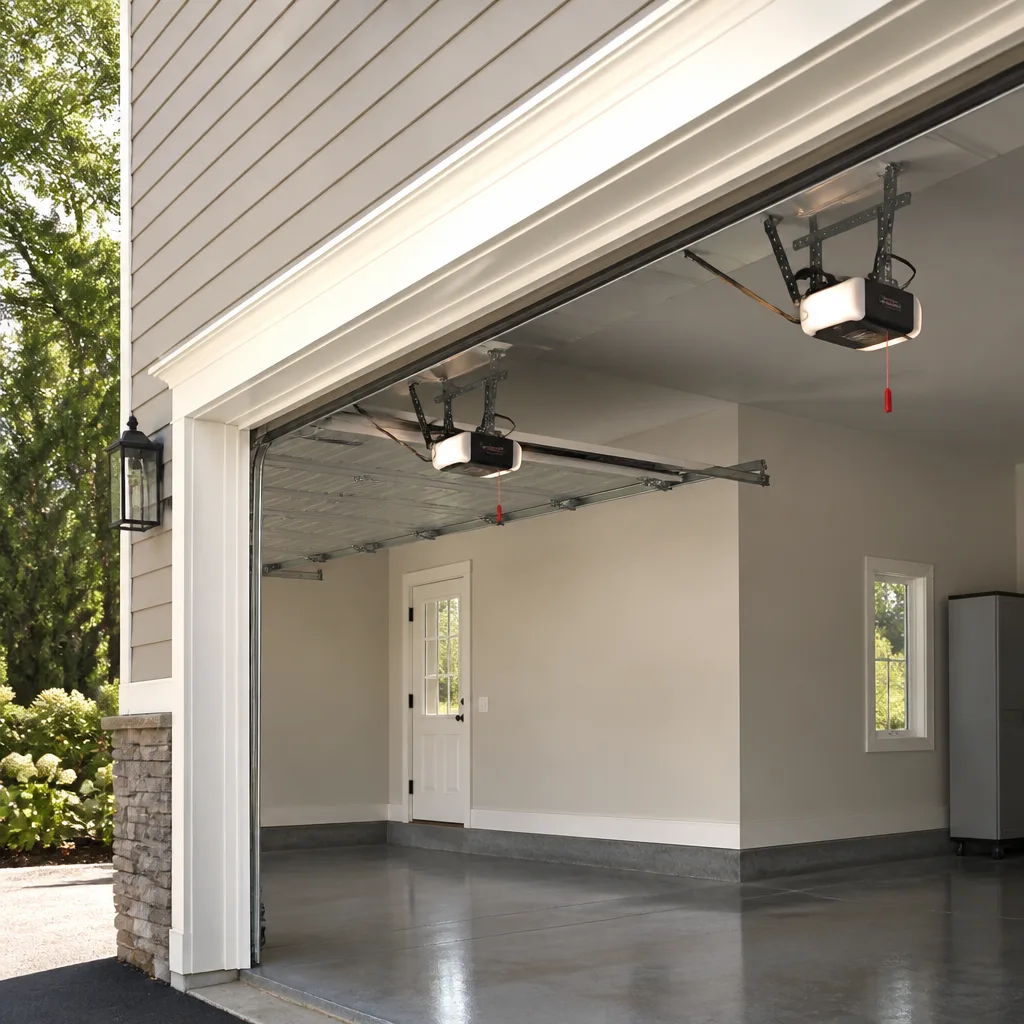 LiftMaster openers
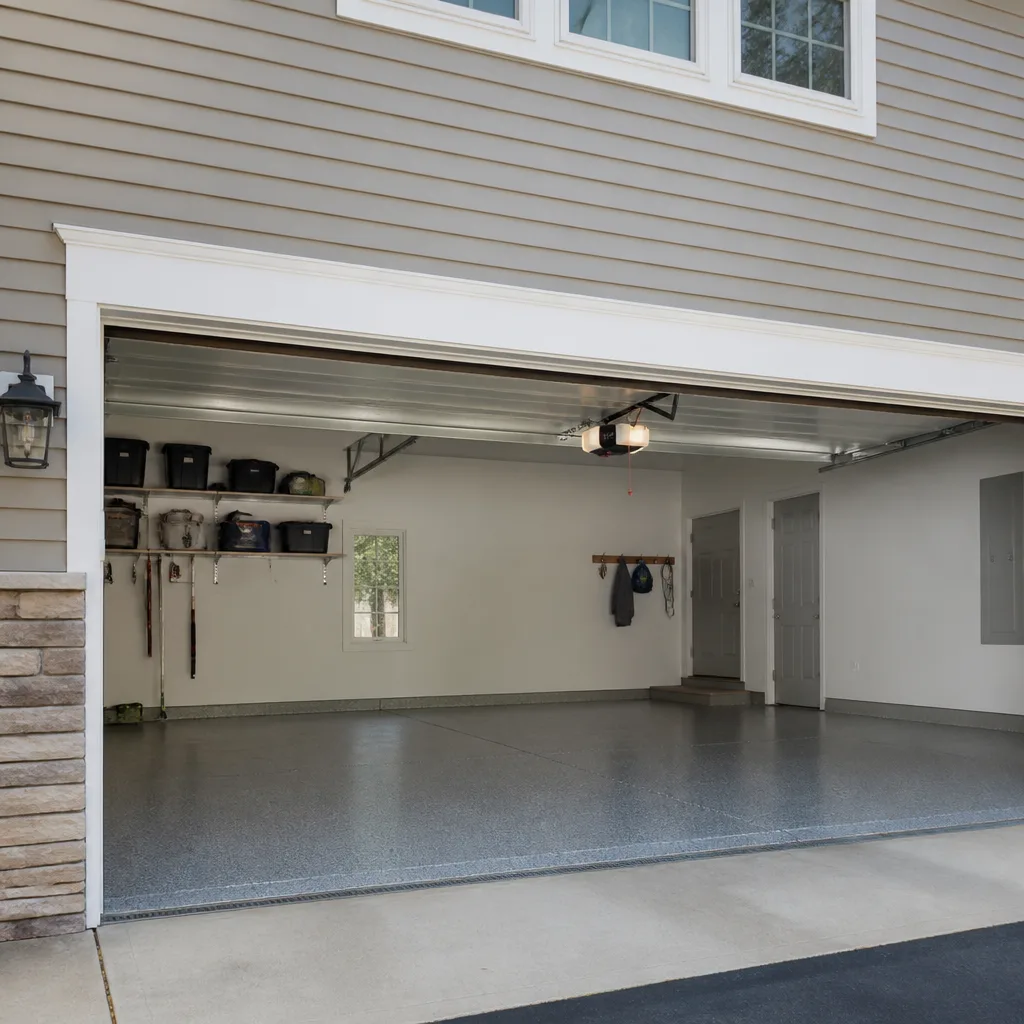 Chamberlain openers
Full 25-point door and opener safety check with every visit - springs, cables, rollers, tracks, and your LiftMaster or Chamberlain opener included
You get a price before we start. It does not change when the pro arrives.
Get your free estimateSeasonal Garage Door Care for Hialeah: Year-Round Homeowner’s Guide
Most garage door maintenance advice you’ll find online was written for a place with four seasons, and it tells you to prep your door in the fall before the cold sets in. That calendar doesn’t fit Hialeah. We don’t have a freeze to worry about and we don’t have an ice dam season. What we do have is a long, bright dry stretch that bakes seals and works tracks loose through thermal cycling, followed by a wet season whose afternoon storms soak the same metal parts over and over. Your door’s real enemies here are sun and rain, not cold. This guide maps out a maintenance schedule built around Hialeah’s actual weather, from the April and May window before hurricane season to the checks worth doing right after a storm passes.
Quick Answer
The best schedule for garage door maintenance in Hialeah is two visits a year: a pre-hurricane check in late April or May that covers balance, hardware, and track anchoring before June 1, and a post-season tune-up in November after the rains taper off. In between, you check the safety reverse monthly and clear the tracks after heavy afternoon storms. Dry-season care focuses on UV damage to seals and thermal expansion, while wet-season care focuses on rust and moisture in the tracks and hinges.
Styles & brands we work with
- Raised-panel steel
- Carriage house
- Modern flush
- Full-view glass
- LiftMaster openers
- Chamberlain openers
Table of Contents
- Why Hialeah’s Calendar Is Not a Northern Calendar
- The Pre-Hurricane Season Checklist (April-May)
- What to Check After a Tropical Storm Passes
- Dry Season Tasks: UV, Seals, and Thermal Expansion
- The Rainy Season Track-Rust Pattern
- Your Two-Visit-a-Year Maintenance Schedule
- The Monthly Checks You Can Do Yourself
- Common Mistakes to Avoid
- When to Call a Professional
- Frequently Asked Questions
Why Hialeah’s Calendar Is Not a Northern Calendar
If you’ve read a garage door care guide written for the Midwest or Northeast, you’ve probably seen advice about lubricating before the cold, watching for frost in the tracks, and checking for ice buildup on the bottom seal. None of that applies in Hialeah. Our problem isn’t the cold making metal brittle; it’s the heat and sun wearing down the soft parts while the wet season works on the metal parts.
Hialeah sits in a subtropical climate with two dominant phases. The dry season, roughly November through April, brings intense sunshine, high UV, and long stretches with little rain. The wet season, roughly June through October, brings near-daily afternoon thunderstorms and, at its edge, the Atlantic hurricane season. Between them sits a short transition window in April and May that is the single most useful time of year to get your door ready for what’s coming.
That means seasonal care in Hialeah isn’t really about four checkpoints. It’s about two, timed to the shifts that actually stress the door. One before the storms arrive and one after they leave. Everything else is monthly spot checks that take a few minutes.
This is also why diagnosing a problem by feel alone can mislead you. A door that struggles in August might have been fine in March, and the difference is a combination of heat-swollen seals and a track that’s shifted a few millimeters out of alignment from thermal expansion. When we look at doors across Hialeah, we tend to see the same patterns return every year at the same times, and that predictability is exactly what a maintenance schedule should ride on.
The Pre-Hurricane Season Checklist (April-May)
June 1 is the nominal start of hurricane season, and preparing your garage door in June means you’re already behind. The prep window is April and May, before the first named storm is out there in the Gulf. At that point the dry season is winding down, the door has had months of UV exposure, and you have time to fix what the inspection turns up instead of rushing it.
Here’s what a thorough pre-season inspection should cover:
- Balance check. Disconnect the opener (pull the manual release) and lift the door halfway by hand. A balanced door should stay put when you let go. If it drops or rises on its own, the springs are tired or out of adjustment.
- Spring and cable inspection. Look at the torsion spring above the door or the extension springs along the sides for gaps, rust, or a stretched appearance. Check the cables for fraying or slack. Do not touch a tensioned spring or cable to test it; this is the one part of the door that can injure you badly, and it’s a trained technician’s job.
- Track anchoring. Push gently on each vertical track and feel for movement at the wall brackets. Loose anchors are common after a season of expansion and contraction. A track that moves will eventually throw the door off its line.
- Hinge and roller wear. Worn hinges make a door rattle and can let the panels separate slightly, which weakens the assembly when wind load hits it. Check every hinge and roller for cracks, flat spots, and side-to-side play.
- Weather seal at the bottom. The bottom seal is your first line against wind-driven rain. If it’s cracked, hard, or torn, water gets under the door and into the tracks.
- Opener force and safety reverse. Test the safety reverse with a small object under the door and confirm the door reverses on contact. Confirm the opener’s force settings haven’t drifted.
If you run a LiftMaster or Chamberlain opener, you can usually check the force and travel limits with the manual and a couple of test cycles. If those settings keep drifting even after you re-set them, the opener is telling you something mechanical is wrong with the door itself, and the opener isn’t the real problem.
If any of these checks turn up something you don’t want to fix yourself, this is the moment to schedule a visit rather than waiting for a storm to expose the weakness. Pre-season repairs are scheduled work, not panic work.
What to Check After a Tropical Storm Passes
The post-storm inspection matters more than the pre-storm one, and it’s the part most guides skip. After a tropical storm or hurricane moves through Hialeah, the door has been through wind pressure, driven rain, and possibly debris. What you check in the hours and days after the storm tells you what the weather actually did.
Wait until it’s safe to be outside, then work through this list:
- Look at the door from the street. Is it sitting square in the opening? A panel that’s been pushed in, a door that’s tilted, or a gap down one side means the tracks or panels have shifted.
- Check the tracks for debris and standing water. Wind-driven rain carries grit into the tracks. Clear it out with a cloth, not a hose, so you don’t add more water.
- Dry the tracks and hinges. Anywhere water pooled during the storm is a spot that starts to rust within days. Wipe it down and apply a light lubricant to the hinges, rollers, and track.
- Test the door by hand. Disconnect the opener and lift the door. It should move smoothly without binding or grinding. If it catches or sounds rough, stop and call a technician rather than forcing it.
- Look for bent panels or a shifted bottom seal. A bottom seal that pulled loose lets water in on the next storm. A bent panel can throw the whole door off balance.
- Check your opener. If the opener ran during the storm and the door came off its track, the opener’s force settings could have been pushed to their limit. Test the safety reverse again.
If your door has a hurricane-rated reinforcement or bracing system, don’t assume it survived intact. Inspect the mounting hardware and make sure the bracing is still attached at every point. A brace that’s worked loose may not be doing anything the next time you need it.
One post-storm note worth repeating: if a spring has broken as a result of the door being forced, don’t try to lift the door by hand and prop it. Call us and we’ll get a technician out. Our garage door repair team can handle the balance and spring work safely.
Dry Season Tasks: UV, Seals, and Thermal Expansion
The dry season in Hialeah, roughly November through April, is the quieter half of the year for storms but not for wear. The sun is doing its work the whole time. UV exposure is what kills the flexible parts of your door: the bottom seal, the weather stripping around the edges, the plastic bushings on the hinges, and the rubber parts inside the rollers. In a place with this much sun, those parts degrade faster than a northern guide would predict.
Two things happen over a dry season:
- Seals harden and crack. The bottom seal is the most exposed. Once it’s cracked, it stops sealing out rain, and it can also let in wind during the wet season. Look at it around the middle of the dry season and again in April.
- Tracks drift out of alignment. Metal expands in the heat and contracts when the afternoon cools off. Over a season of daily cycles, this can nudge the vertical tracks out of plumb. A track that’s off by a small amount makes the door drag and wear unevenly.
There’s also a subtler effect: the door panels themselves expand and contract, which can work loose the screws that hold the hinges on. A monthly check of those screws during the dry season is easy and worth doing. A hinge that’s about to fall off gives you no warning other than a rattle.
We work on Clopay and Amarr doors regularly, and the seal and hinge wear patterns on those systems are predictable when you know where to look. If you’re not sure whether your seal is at the end of its life, run a finger along it. If it feels stiff or smooth like plastic instead of rubbery, it’s due for replacement.
One dry-season task that’s often missed: look at the insulation or backing on the inside face of your door, if it has one. Sun-driven heat on the exterior can cause the interior facing to loosen or bubble over time. It’s not urgent, but it’s the kind of thing better caught early.
The Rainy Season Track-Rust Pattern
From June through October, Hialeah gets afternoon storms on a nearly daily rhythm. Those storms are short and heavy, and they leave water on the same surfaces day after day. Left alone, that creates a specific kind of wear: a repeating soak-and-dry cycle on the tracks, hinges, and rollers that produces surface rust in consistent locations.
The pattern is worth understanding because it’s easy to interrupt. It goes like this:
- A heavy afternoon storm drives rain into the tracks, especially on a door that faces the prevailing weather. Water pools at the bottom of the vertical tracks near the ground.
- The water sits until the sun comes back the next morning and the tracks dry out. Repeated daily, the surface stays damp for far longer than it would in a place with one weekly storm.
- Surface rust forms first at the rivets and at the roller contact points, where water tends to collect and the protective finish is thinnest.
- Rust makes rollers roll roughly, which puts extra load on the opener and makes hinges grind.
- Grinding and binding get worse through the season, and by fall, the door is loud and the opener has been doing extra work all summer.
Breaking the cycle is simple if you do it consistently. Wipe down the tracks after a run of stormy days, keep a light lubricant on the hinges and rollers (not the tracks themselves, where grease collects grit), and check the bottom seal for a tight fit. A bottom seal that’s loose lets water in from below on every storm, so fixing it before the wet season is the single best thing you can do.
If your door faces a lot of weather and the rust keeps returning through the wet season, the seal, the tracks, and the door’s track anchoring are the three places to look. In our experience, doors with repeated wet-season rust problems usually have a seal that’s on its way out, even if it looks intact from the outside.
Your Two-Visit-a-Year Maintenance Schedule
Here’s the whole schedule on one page. If you only do two service visits a year, time them to the weather calendar rather than the northern seasons.
- Late April or May (pre-hurricane): Full inspection of springs, cables, tracks, hinges, rollers, and bottom seal. Check the opener’s force and safety reverse. Lubricate moving parts. Address any worn hardware before June 1.
- November (post-season): Inspect for what the wet season left behind. Check for rust in the tracks and on hinges. Test the balance. Replace the bottom seal if it’s hardened. Re-check track alignment after a full cycle of expansion and contraction.
- Monthly (your own check): Test the safety reverse. Clear debris from the tracks. Listen for rattles and grinding. Wipe down any tracks that collected water after a storm.
That’s a schedule you can actually keep up with. Two professional visits and a few minutes a month, tied to when the weather actually stresses the door rather than an arbitrary calendar.
If you’re not sure your door is ready for a particular season, the free estimate is the easiest way to find out. A technician can look at the door and tell you what, if anything, needs attention before the next weather shift. Our garage door opener repair team also handles opener-specific issues that come up on this schedule, so you don’t have to juggle two separate contractors.
The Monthly Checks You Can Do Yourself
These are the tasks that don’t require special tools and won’t put you near a high-tension spring. Doing them consistently is what keeps minor issues from becoming the kind of repair that has to be scheduled.
- Test the safety reverse. Place a small object like a folded towel or a piece of wood flat under the door and press the close button. The door should contact the object and reverse. If it doesn’t, stop using the opener until a technician looks at it.
- Look up and down the tracks. With the door open, sight along each vertical track. It should look straight. If it looks bowed or has a visible kink, that’s a call-a-technician item.
- Wipe down and lubricate the hinges and rollers. A light spray lubricant, a few drops of oil on hinges, is enough. Don’t grease the tracks; it collects grit and turns into a paste.
- Listen. A rattle, a thump, or a grinding sound that wasn’t there last month is a signal. Hold onto that sound when you call, because the specific noise tells a technician a lot about which part is worn.
- Look at the bottom seal. Run a hand along it. It should be flexible. Cracks or a stiff, plastic feel mean it’s due for replacement.
- Check the hinges for loose screws. A screwdriver is all you need to snug them up. Don’t tighten so hard that you strip the wood. A screw that won’t stay tight suggests the hinge or the panel needs a look from a technician.
None of these checks requires you to be near a spring or to handle a cable. Keep it to the parts you can see and touch safely, and leave the rest to a specialist.
If you have a Genie opener, the manual has a section on the safety reverse and force settings that’s worth keeping on hand. Testing it correctly takes a minute, and doing it monthly is the single highest-value thing you can do to keep the opener working.
Common Mistakes to Avoid
These are the recurring problems we see on Hialeah garage doors, and most of them are easy to avoid.
- Waiting until June to think about the hurricane season. The prep window is April and May, before the first named storm is out there. Fixing a worn hinge or seal in June is possible, but you’re doing it on a rushed timeline instead of a scheduled one.
- Skipping the post-storm check. Most people check before a storm and forget about it after. The post-storm inspection is where you find what the wind and rain actually did to the tracks, panels, and hardware.
- Greasing the tracks. Oil on a track collects grit and turns into a paste that makes rollers drag. Lubricant belongs on the hinges and rollers, not the track surface.
- Ignoring the bottom seal. A hard, cracked bottom seal lets water into the tracks on every storm in a wet season with near-daily rain. It’s one of the cheapest parts on the door and one of the most important.
- Assuming the opener is the problem when the door is. If the opener keeps straining or the force settings keep drifting, the door’s balance or tracks are usually the real cause. Replacing the opener doesn’t fix a door that’s binding.
- Letting a track stay out of alignment through the dry season. A track that drifts out of plumb makes the door drag, wears the rollers unevenly, and gets worse over a full season of expansion and contraction. Re-aligning it early is quicker than replacing rollers later.
- Assuming your reinforcement system survived the storm. A hurricane brace or bracket that’s worked loose can look attached while providing no real benefit. Inspect the mounting points, not just the brace itself.
Each of these mistakes is a small decision that adds up to extra wear over a year. Avoiding them is more about timing than effort.
When to Call a Professional
Some garage door issues should never be a homeowner task, and others just come up faster when a trained eye handles them. Call a professional when a spring is broken or looks stretched, when a cable is frayed or slack, when the door binds, tilts, or comes off its track, when the opener’s force settings keep drifting even after you reset them, or when you’re not sure whether a post-storm issue is cosmetic or structural. High-tension springs and cables are genuinely dangerous and should always be handled by a trained technician.
If you’re within the Hialeah area and not sure whether a problem needs a visit, the free estimate is the fastest way to find out. Rutherford Garage Door Repair offers free estimates in Hialeah: call (877) 326-5883. We answer 24/7. Fast dispatch from 7am to 7pm, Sunday through Friday.
Frequently Asked Questions
Late April or early May is the best single month, because it lines up with the pre-hurricane window before June 1. A second visit in November catches wet-season wear. If you only do one visit a year, do it before hurricane season. Call (877) 326-5883 for an exact quote, since estimates are free.
Once a month is the right interval for a Hialeah door, given how many cycles the door gets and how much the wet season can put load on the opener. The test takes a minute with a small object under the door. If it fails the test, stop using the opener until a technician looks at it. Call (877) 326-5883 to schedule a check.
Yes, and the pattern is consistent. Near-daily afternoon storms soak the tracks, and the soak-and-dry cycle produces surface rust at the rivets and roller contact points within weeks if the tracks aren’t wiped down. A tight bottom seal and a light lubricant on the hinges and rollers interrupts the cycle. We can take a look: call (877) 326-5883 for a free estimate.
Yes, for the safe parts: the tracks, hinges, bottom seal, panel alignment, and opener function. You can check the door from outside, look for a tilt or gap, and test the opener. Do not touch a tensioned spring or cable, and don’t force a door that binds. If you find a problem you’re not sure about, call (877) 326-5883.
The bottom seal is exposed to intense sun in the dry season and driven rain in the wet season, so it wears faster here than in cooler regions. A seal that feels stiff or shows cracks is due for replacement, regardless of what it looks like from the outside. Call (877) 326-5883 to have it looked at, since the estimate is free.
During the dry season, focus on the safety reverse test, force and travel settings, and any noise from the opener that wasn’t there before. If the settings keep drifting after you re-set them, the issue is usually the door, not the opener. Our garage door opener repair team works on Genie and Chamberlain systems regularly. Call (877) 326-5883 for a visit.
The Bottom Line
Maintenance on a Hialeah garage door isn’t about four seasons. It’s about two: the wet season that soaks the tracks and the dry season that bakes the seals. A pre-hurricane check in April or May and a post-season tune-up in November, plus a monthly safety reverse test and a track wipe-down after heavy storms, covers almost everything that matters. Keep lubricant on the hinges and rollers, not the tracks. Watch the bottom seal. Pay attention to the door’s balance after a storm. That’s a schedule you can keep, timed to how the weather here actually hits the door.
If you’d rather have a technician look at your door before the next seasonal shift, call (877) 326-5883. Estimates are free, and a written estimate sets the price before any work begins. We answer 24/7. Fast dispatch from 7am to 7pm, Sunday through Friday.
Eight brands, three services, one focused team. When your door needs attention, we’re the specialist you can call. Learn more about Rutherford Garage Door Repair and what we can do for your home.
Written by the team at Rutherford Garage Door Repair.
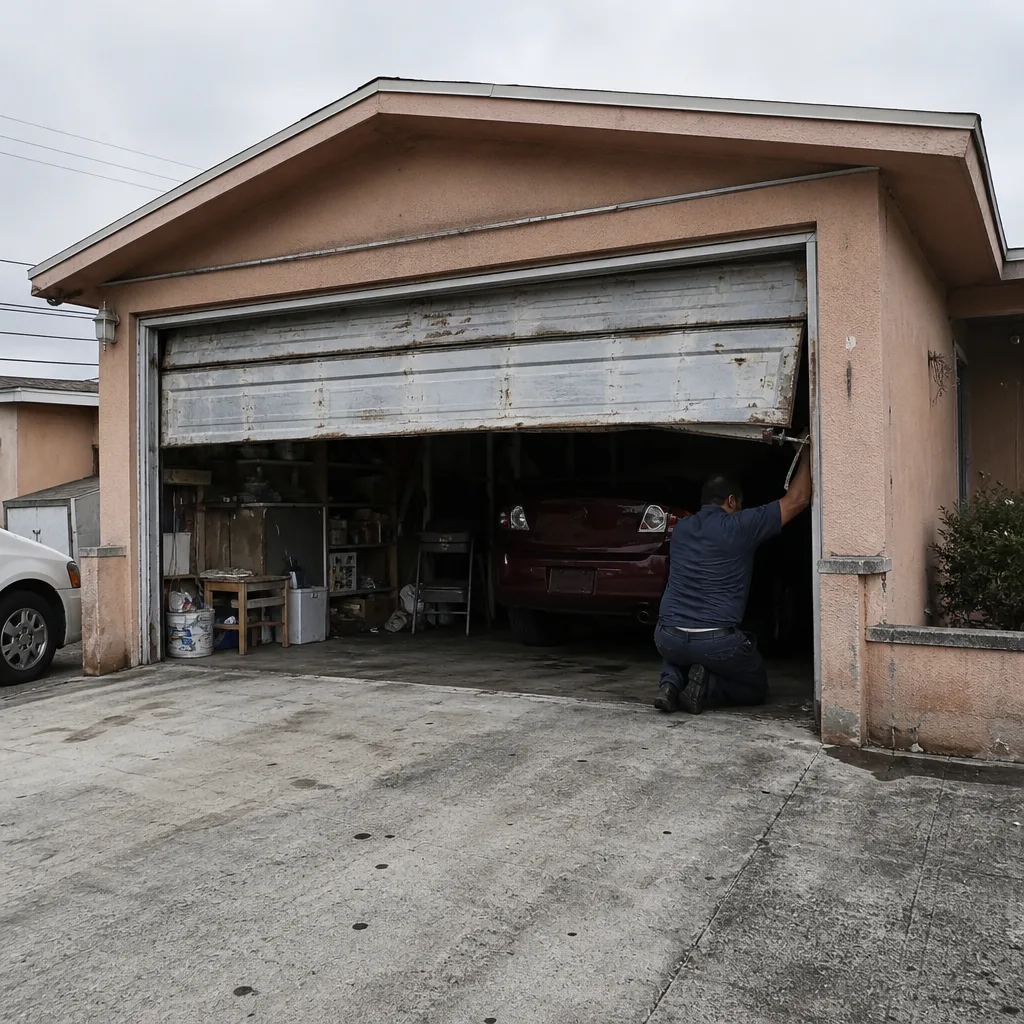
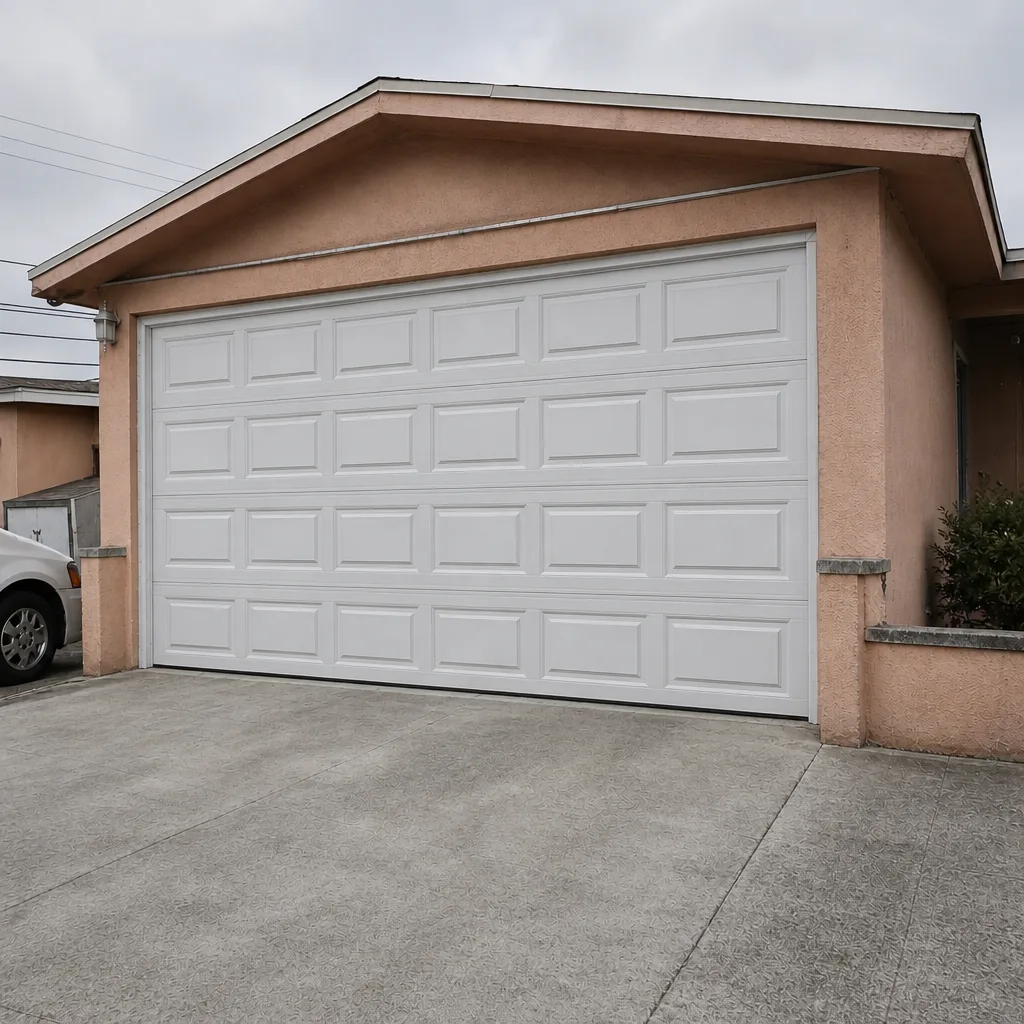
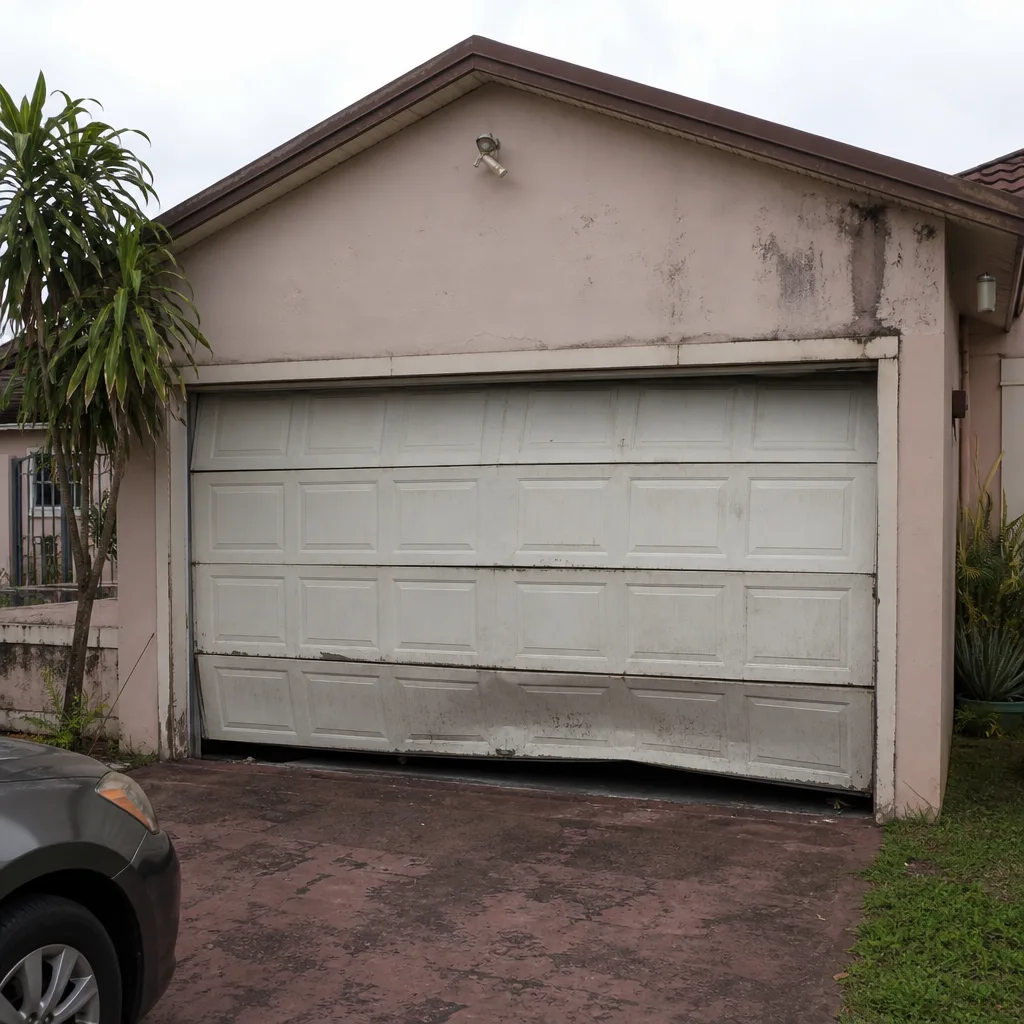
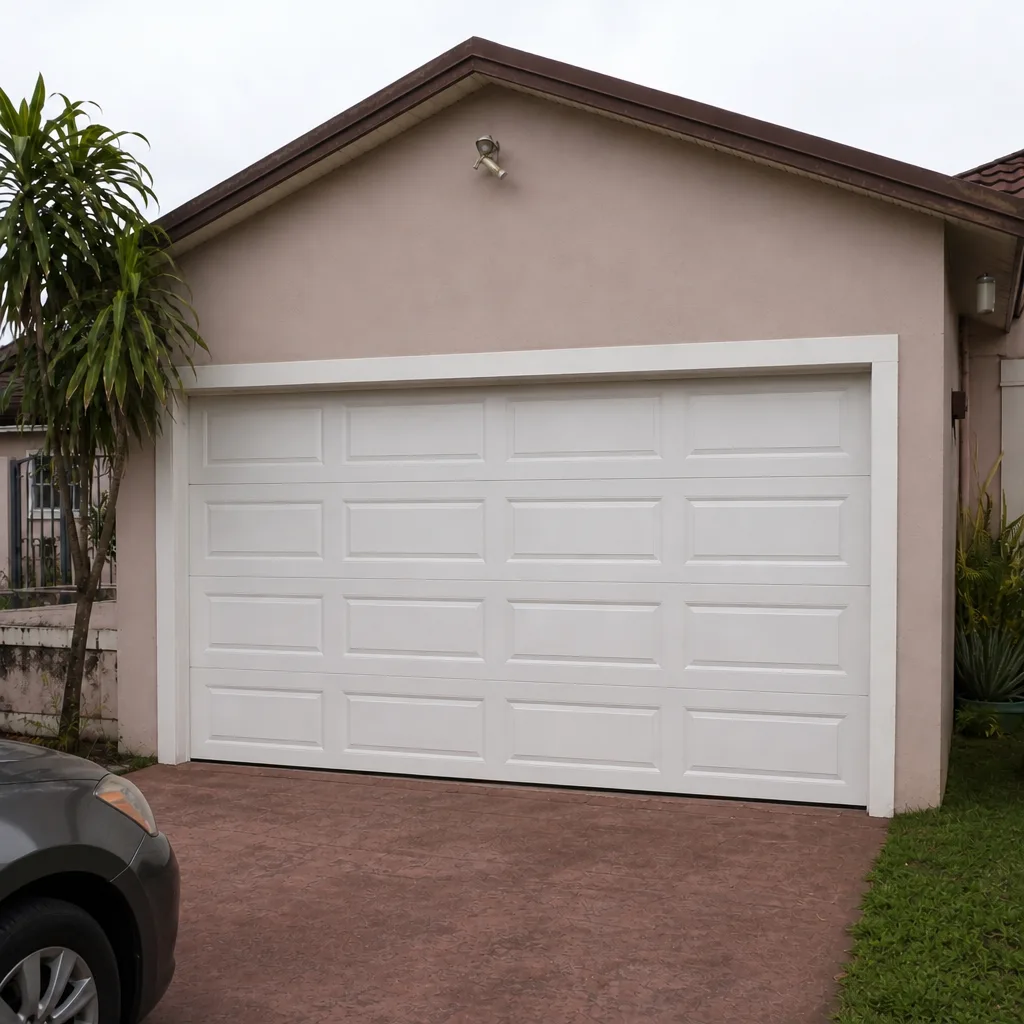
See the difference
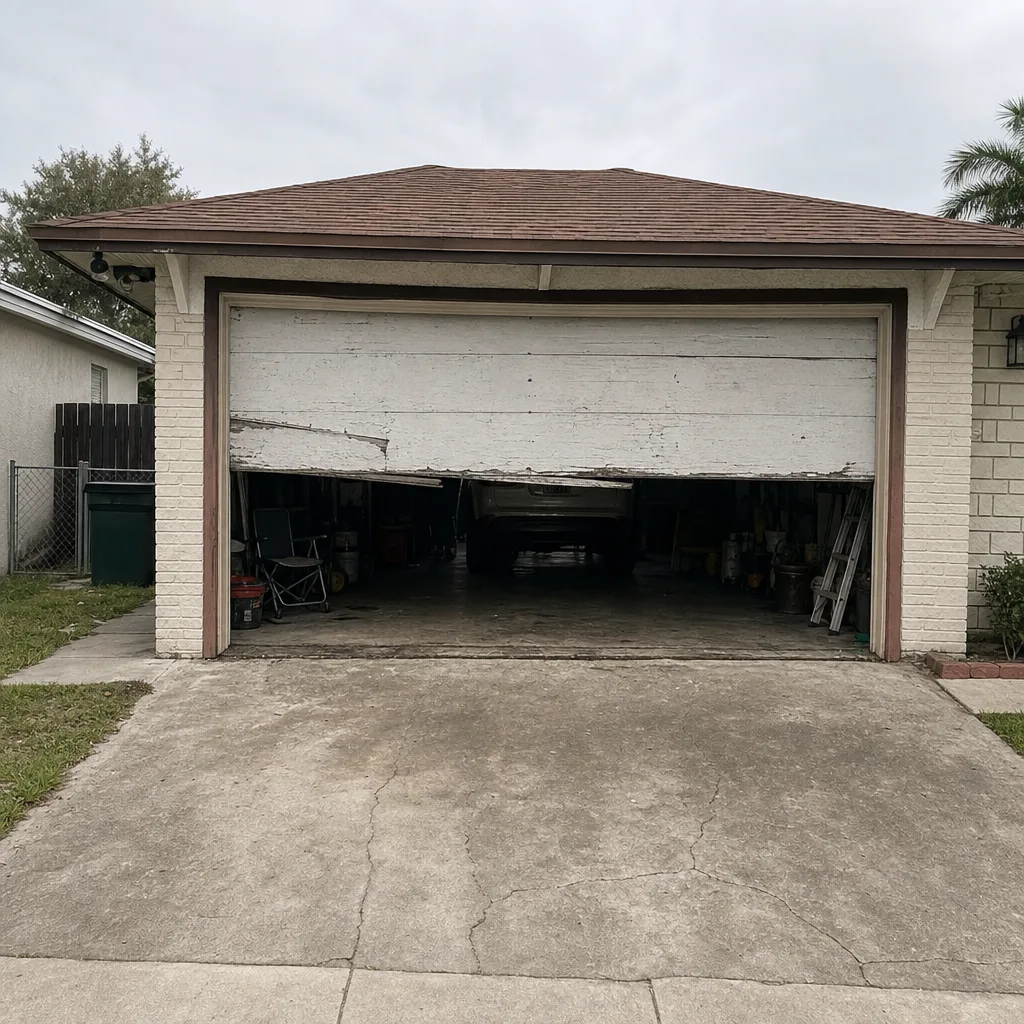 Before
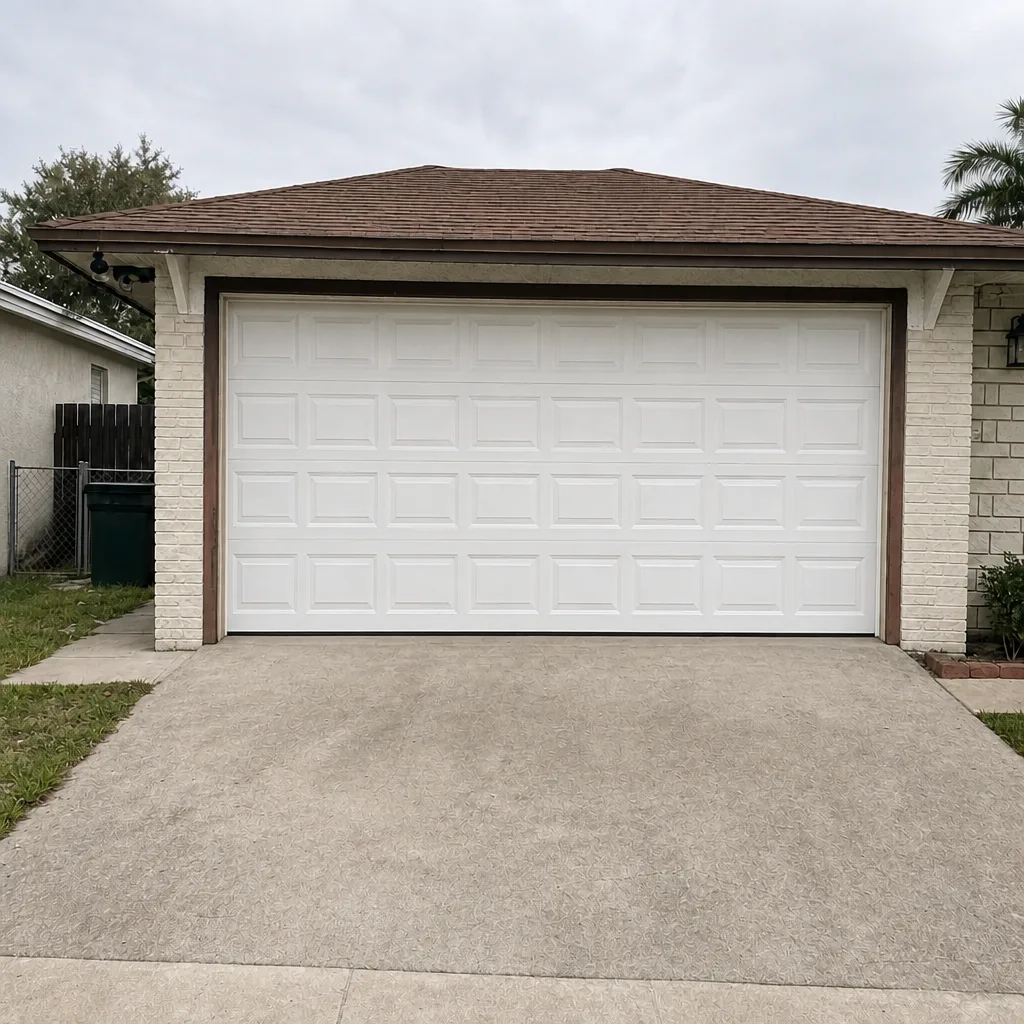 After
 Before
 After
 Before
 After