
Last updated November 15, 2026
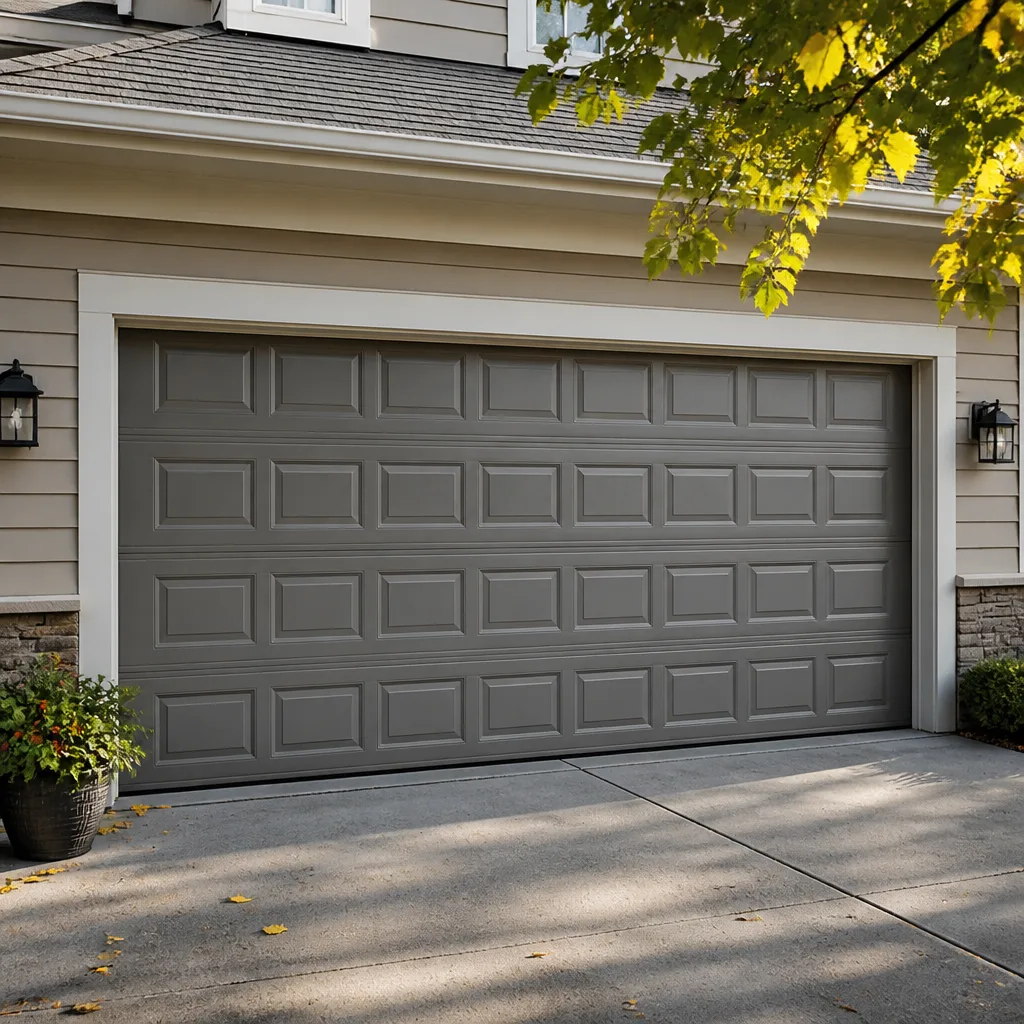 Raised-panel steel
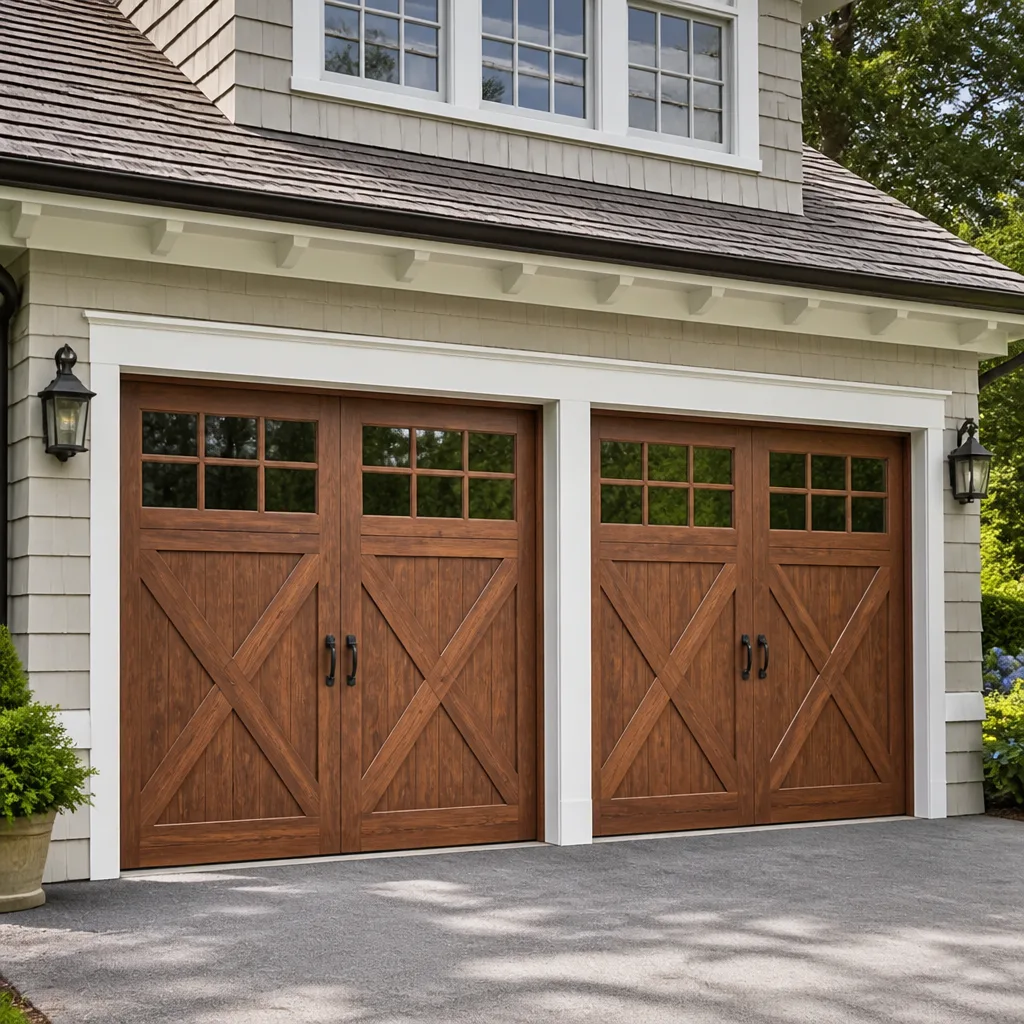 Carriage house
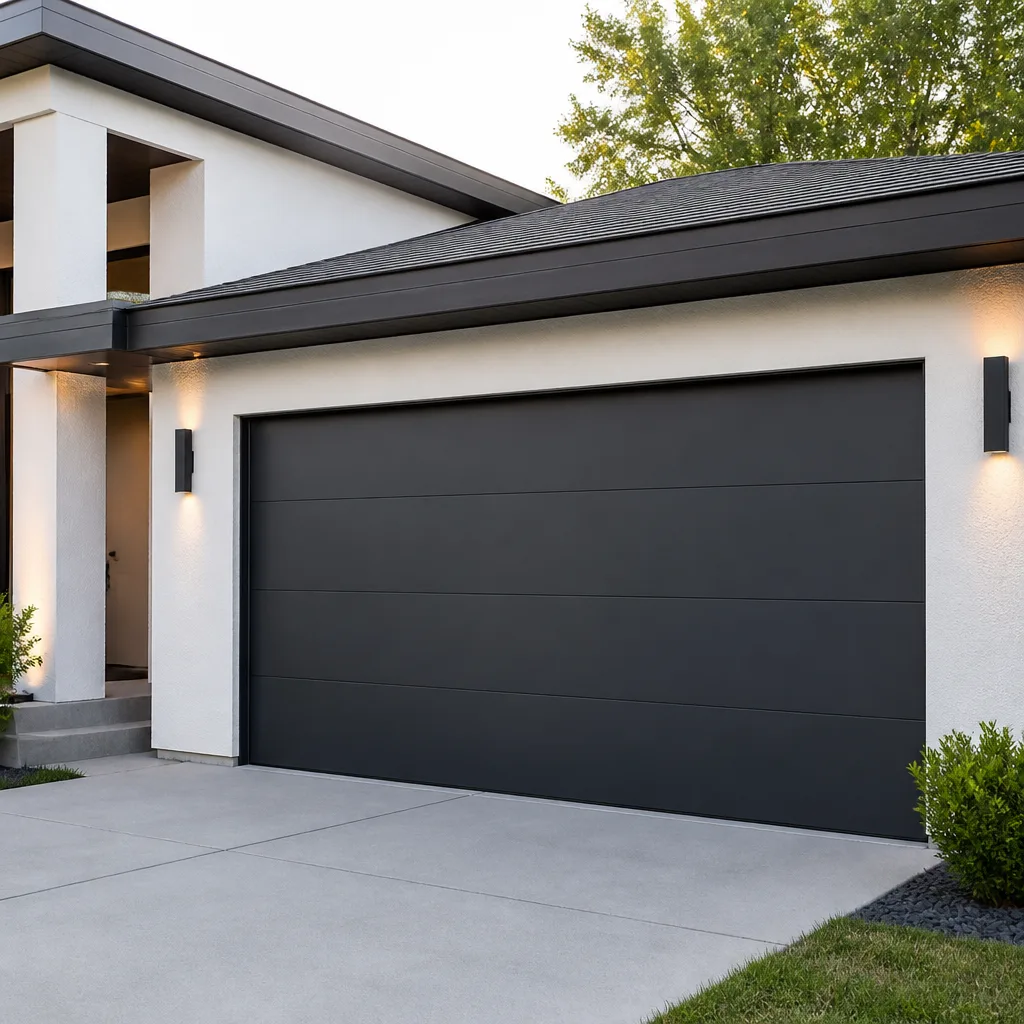 Modern flush
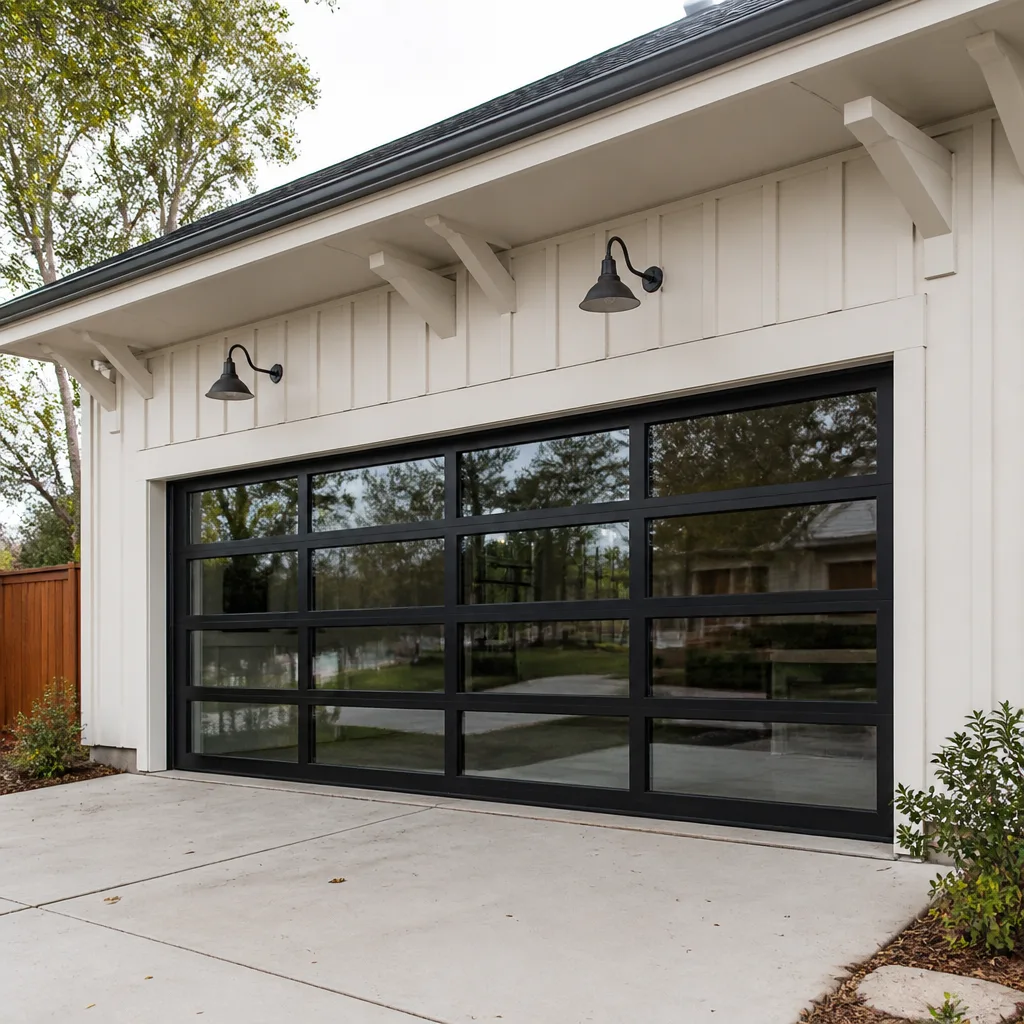 Full-view glass
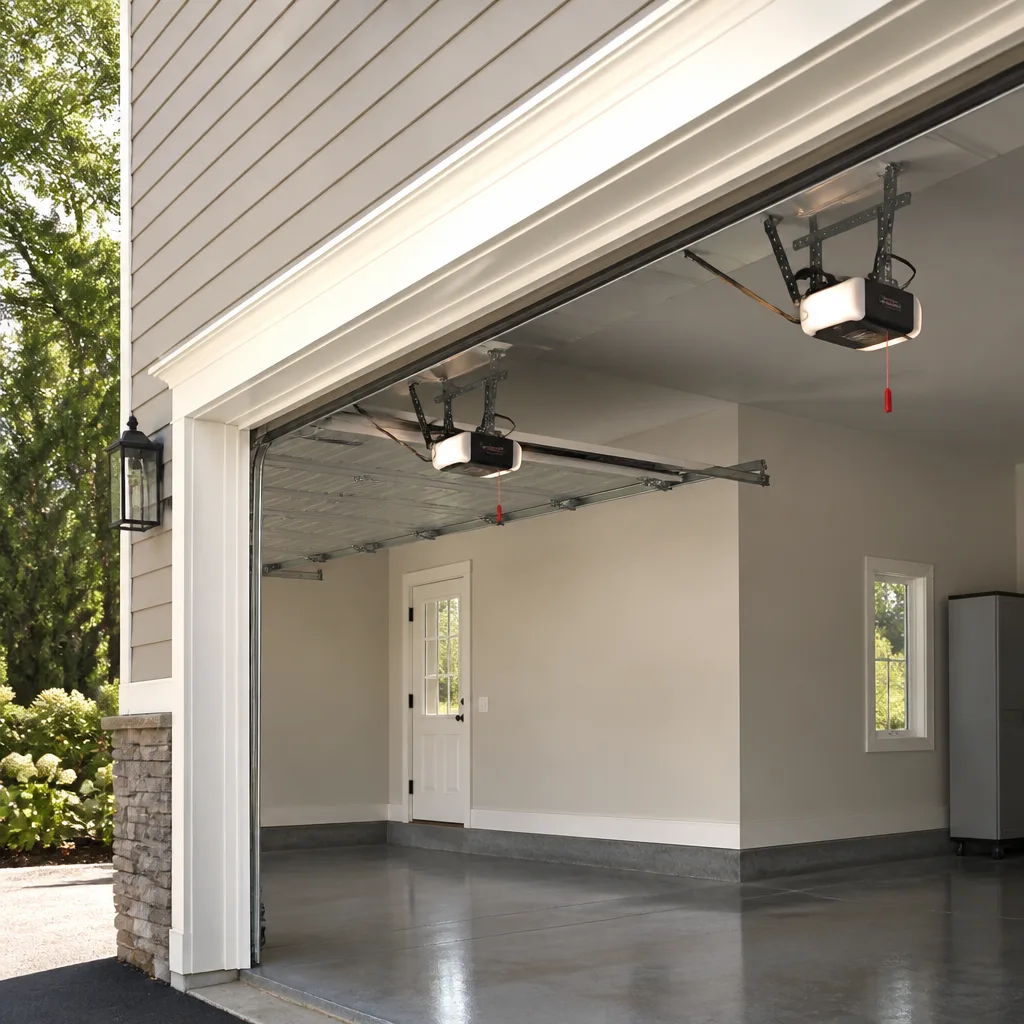 LiftMaster openers
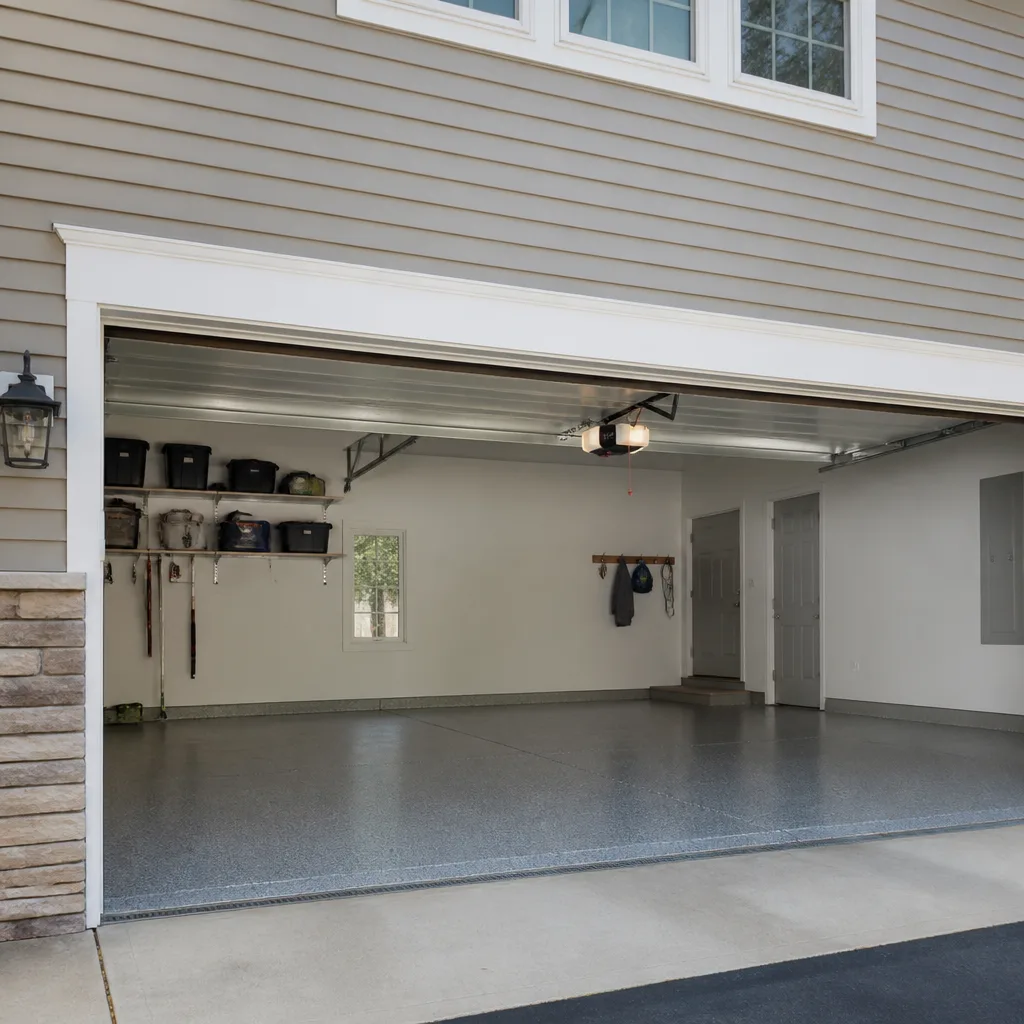 Chamberlain openers
Full 25-point door and opener safety check with every visit - springs, cables, rollers, tracks, and your LiftMaster or Chamberlain opener included
You get a price before we start. It does not change when the pro arrives.
Get your free estimateHow to Hire a Garage Door Contractor in Hialeah: A Step-by-Step Guide
Most homeowners judge a garage door contractor on price and personality. In Hialeah, that’s the wrong filter. The one credential that actually matters is whether the contractor can legally pull a permit in Miami-Dade County and knows which products carry the approvals the county requires before anything gets installed. Skip that check and you can end up with a door that works fine but fails an inspection years later, at the moment you least want a surprise. This guide walks you through vetting a contractor step by step: verifying the license, reading the estimate, asking the questions that separate real specialists from guessers, and knowing when to call a pro at all.
Quick Answer
To hire a garage door contractor in Hialeah, verify the contractor’s Florida license and Miami-Dade County credential, confirm they’ll pull permits for a full door replacement, and demand a written estimate based on an actual measurement of your opening. A legitimate garage door specialist will answer HVHZ product questions without hesitation, itemize the quote, and never quote a replacement door over the phone without seeing your garage first.
Styles & brands we work with
- Raised-panel steel
- Carriage house
- Modern flush
- Full-view glass
- LiftMaster openers
- Chamberlain openers
Table of Contents
- Step 1: Verify the License Before You Talk Price
- Step 2: Understand the Miami-Dade Credential
- Step 3: Ask About HVHZ Product Requirements
- Step 4: Watch for Garage-Specific Red Flags
- Step 5: Learn to Read a Written Estimate
- Step 6: Ask the Questions That Reveal Real Expertise
- Step 7: Decide Between Repair and Replacement
Step 1: Verify the License Before You Talk Price
Verifying a Florida contractor’s license takes under two minutes, and it’s the single most useful thing you can do before letting anyone touch your door. The state keeps a free public database through the Department of Business and Professional Regulation (DBPR). Look up the license number the contractor gives you, confirm it’s active, and confirm the name on the license matches the company quoting your job. If a contractor can’t produce a license number on request, that’s your answer.
Here’s the sequence we recommend:
- Ask for the license number in writing, not just a company name.
- Search the DBPR database and confirm the status reads active.
- Check that the license type matches the work being quoted.
- Confirm the business name on the license matches the estimate and the contract.
- Note the expiration date, and don’t hire anyone whose license has lapsed.
Many homeowners in Hialeah skip this because the contractor seemed trustworthy in person, or because a neighbor recommended them. A recommendation is a starting point, not a verification. Licenses get suspended, expire, and sometimes get borrowed by unlicensed operators working under someone else’s number. The DBPR check settles it in two minutes.
One more reason this matters for garage door work specifically: a full door replacement is a structural installation. It involves the opening, the header, the tracks, and the spring system. That’s permit territory in most jurisdictions, and only a licensed contractor can pull the permit legally. An unlicensed installer can still hang a door, but the work sits outside the permit system, and that gap surfaces when you sell, refinance, or get inspected.
Step 2: Understand the Miami-Dade Credential
Florida licensing and Miami-Dade County licensing are two separate things, and this trips up more Hialeah homeowners than any other part of the hiring process. The state issues contractor licenses through the DBPR. Miami-Dade County runs its own contractor licensing system on top of that. A contractor may hold a valid state license and still lack the county credential needed to pull permits for certain work within Miami-Dade. If permit authority is what you need (and for a full replacement, it is), you need both.
Why does the county layer exist? Miami-Dade sits in a wind zone that carries stricter construction standards than most of the state. The county administers its own product approval system for doors, windows, and other components that have to meet high-velocity hurricane zone requirements. Contractors working inside that system need to understand it, which is why the county keeps its own licensing track.
When you talk to a contractor, ask two separate questions:
- “What’s your Florida DBPR license number?”
- “Do you hold a Miami-Dade County contractor license, and can you pull the permit for this job?”
A contractor who answers the first and gets vague on the second is telling you something. Press on it. Ask who pulls the permit and whose name goes on it. Ask whether they’ve worked with the county’s product approval process for garage doors. A specialist who does this regularly will answer without hesitation. Someone who mostly installs interior doors or works as a general handyman will start hedging.
For a repair job, the licensing question is still relevant but the permit question usually isn’t. Replacing a torsion spring, a roller, or a section of track typically doesn’t require a permit. A full door replacement usually does. Know which category your job falls into before you start calling around, so you ask the right question of each contractor.
Step 3: Ask About HVHZ Product Requirements
The High-Velocity Hurricane Zone (HVHZ) is the county’s wind-resistance standard, and it governs what products can legally be installed on a Hialeah home. Garage doors in the HVHZ need product approval on file with Miami-Dade County before installation. That’s not a marketing point. It’s a compliance requirement, and a contractor who doesn’t know it is a contractor who hasn’t done much work inside the county.
Here’s how to tell whether a contractor actually knows the HVHZ process or is guessing:
- Ask which door products carry Miami-Dade product approval. A real answer names specific manufacturers and product lines. Clopay and Amarr, for example, both publish approved product lines for this zone. A contractor who says “all our doors are fine” without naming anything is guessing.
- Ask who handles the approval documentation. The contractor should be able to tell you how the approval paperwork flows, and whether it’s tied to the permit or submitted separately.
- Ask what happens if a product isn’t approved. The honest answer is that it can’t be installed legally in the HVHZ, period. A contractor who suggests “it’ll be fine” or “nobody checks” has just told you how they operate.
- Ask about wind-load requirements for your specific opening. Door sizes and openings vary, and the requirement isn’t identical for every home. A specialist will want to measure before answering. A generalist will quote a number over the phone.
None of this is obscure information to a garage door specialist who works in Hialeah. It’s the routine part of the job, the way knowing which opener models pair with which safety sensors is routine. If the contractor can’t move through these questions comfortably, you’ve found your answer about their experience level inside the county.
Step 4: Watch for Garage-Specific Red Flags
Generic contractor red flags (no license, no insurance, cash-only) apply to every trade. Garage door work has its own set, and they’re worth knowing because they’re easy to miss if you’ve never hired for this kind of job before.
Quotes without a measurement. This is the biggest one. A garage door replacement quote that doesn’t involve measuring your actual opening is a guess, not a quote. Door sizes vary, and the springs and tracks get sized to the door. A contractor who quotes a replacement over the phone without seeing your garage is either planning to adjust the price later or doesn’t understand what’s involved. Either way, don’t hire them.
No mention of permits for a full replacement. If you’re replacing the whole door and the contractor never brings up permits, ask directly. If the answer is “we don’t bother with that for residential,” treat it as a serious warning. Permit-skipped installations become your problem at sale or inspection time.
Spring quotes that don’t specify per spring. Garage doors have one spring or a matched pair. A quote that gives one price without saying whether it covers one or both is incomplete. A pair costs roughly twice a single spring, because it’s two springs. If the quote is fuzzy on this, the invoice will be fuzzy too.
Pressure to replace when repair would work. A worn opener, a misaligned sensor, or a bent track doesn’t require a new door. A contractor who jumps straight to replacement on a door that’s repairable is selling, not diagnosing. Watch how quickly they get to the replacement pitch.
Vague brand answers. Ask which opener brands they work on. A specialist names them naturally because they work on them regularly. LiftMaster and Chamberlain openers, for example, are everywhere in Hialeah homes, and a contractor who’s been inside those units knows exactly where they fail. If the answer is “we work on everything,” that’s not expertise, that’s a shrug.
No written estimate. If the number only exists in conversation, it isn’t a quote. Get it in writing, with line items, before any work begins.
Step 5: Learn to Read a Written Estimate
A written garage door estimate should tell you exactly what’s being done and what it costs, itemized enough that you could hand it to a second contractor and they’d know what’s included. That’s the standard. Here’s what to look for when you read one.
Itemized line items you should see:
- The door itself, with the specific model and size.
- The spring system, whether it’s one spring or a matched pair.
- Tracks, rollers, hinges, and hardware, if they’re being replaced.
- The opener, if one is being installed, with the model named.
- Labor, listed separately from parts.
- Permit fees, if a permit is required for the job.
- Disposal of the old door and hardware.
What can reasonably be bundled:
A spring replacement might come as one price covering the spring, labor, and balancing. A roller replacement might come as a single line item. That’s fine. What you don’t want is a single lump-sum price with no breakdown at all on a job that involves a door, an opener, and installation work. Bundling a repair is normal. Bundling a full replacement without telling you what’s included isn’t.
The key phrase to look for: a written estimate that states the price is fixed and won’t change once work starts unless you approve a change. Ask directly: “Is this the number I’ll pay, or can it change once you open it up?” A contractor with confidence in their diagnosis will tell you the quote holds. If they hedge, ask what could change the price and get that in writing too.
For reference, here’s roughly how repair pricing tends to break down by job type in the Hialeah market. These are typical estimated ranges, not a quote for your specific door; the written estimate sets the final price.
| Job | Typical estimated range |
|---|---|
| Single torsion spring replacement | $180 – $340 |
| Matched pair of torsion springs | About twice the single-spring range |
| Roller and hinge replacement | $120 – $250 |
| Opener repair (varies by fault) | $150 – $400 |
| Full door replacement | Priced per job after measuring the opening |
When you’re reading an estimate for a full door replacement, the absence of a measurement is a stop sign. A quote on a replacement door without an on-site measure isn’t a quote. It’s a placeholder.
Step 6: Ask the Questions That Reveal Real Expertise
You don’t need to know garage doors to tell whether a contractor does. You just need to ask questions that a real specialist answers smoothly and a generalist stumbles on. Here are the ones we recommend, in order.
- “What’s your DBPR license number, and do you hold a Miami-Dade County contractor license?” Both answers should come immediately.
- “For a full replacement, who pulls the permit?” If they say “we do,” follow up: “Under whose license?” The answer should match the company quoting you.
- “Which door products carry Miami-Dade product approval, and can you show me the documentation?” A specialist will name specific manufacturers and product lines. Clopay and Amarr are both familiar names in Hialeah garage door work, and a contractor who installs them regularly will recognize the question.
- “Can you tell me the difference between a repair and a replacement on this door?” If they can’t explain why one or the other makes sense for your specific door, they’re guessing.
- “How many springs does my door have, and what’s the quote for one versus the pair?” Every specialist will want to see the door before answering, and the answer will be specific.
- “What brands of opener do you work on?” A real answer names names. LiftMaster, Chamberlain, Genie, and Craftsman are common enough that anyone working in Hialeah homes will know them.
- “Is the quote fixed before you start, or can it change?” The correct answer is that the price is agreed before any work begins, in writing.
- “Do you have a written estimate you can email me today?” If the answer is “we’ll figure it out when we get there,” move on.
The pattern to watch for: specialists answer these questions directly and quickly, because they deal with them every week. Generalists get vague, change the subject, or say they’ll “have someone call you back.” The hesitation is the tell. Nobody who actually does this work needs to check with anyone about how permits and product approvals fit together inside Miami-Dade.
Step 7: Decide Between Repair and Replacement
Before you even call a contractor, it helps to understand which side of the repair-or-replace line your door is on. Not because you should self-diagnose the problem, but because it shapes the conversation and protects you from a contractor who leans toward replacement when repair would do.
Leans toward repair:
- A single broken or worn component (a spring, a roller, a hinge, a sensor).
- An opener that’s failing on its own while the door is in good shape.
- A track that’s bent but the door panels are intact.
- The door itself is solid, but the hardware is tired.
Leans toward replacement:
- Multiple panels are damaged or rusted through.
- The door is beyond its useful service life and components are failing one after another.
- You’re changing the door size or style as part of a remodel.
- The door wasn’t installed to current HVHZ standards and can’t be brought into compliance with the existing panels.
The spring system inside any garage door is genuinely dangerous to work on without training. Torsion springs are under considerable tension, and the wrong move on a spring or cable can cause serious injury. We flag that directly here, because any guide on garage door work should. This isn’t a component homeowners should be tinkering with themselves. A trained technician uses the right tools, understands the tension involved, and knows how to release the system safely.
When you’re talking to a contractor, the good answer to “repair or replace” is a diagnosis first, not a pitch. For the door and the opener as two separate systems, the honest question is whether repair is possible on either before replacement enters the conversation. A focused specialist will repair first and replace only when repair no longer makes sense. Ask them to explain their reasoning, and listen for whether the reasoning starts with the door or with the sale.
Common Mistakes to Avoid
- Hiring on price alone. The cheapest quote is often the one that doesn’t include the permit, the spring pair, or the disposal of the old door. Read the scope, not just the total. In a Hialeah market with a mix of licensed and unlicensed operators, the lowest number is often the least complete.
- Skipping the DBPR check. A recommendation from a neighbor plus a friendly conversation is not verification. Look up the license number yourself. It takes two minutes and settles the most important question.
- Confusing state and county licensing. A Florida contractor license does not automatically mean permit authority inside Miami-Dade County. Ask about both. A contractor who doesn’t know the difference isn’t the one to pull your permit.
- Accepting a replacement quote without a measurement. Any quote on a new door that doesn’t involve the contractor seeing your opening is a placeholder, not a price. Expect a measure before a firm quote.
- Ignoring the HVHZ question. In Hialeah, product approval is not optional, and installation of a non-approved door creates a compliance problem you may not discover until sale or inspection. Ask which products carry Miami-Dade approval, and ask to see the documentation.
- Letting repair morph into replacement without an explanation. If your opener is the only thing failing, repairing it should be on the table. Replacement is a different job with a different price. Make the contractor explain why one makes more sense than the other.
- Leaving the price open-ended. No work should start without a written estimate and a clear agreement that the price is fixed before the job begins. “We’ll sort it out after” is how invoices get bigger than expected.
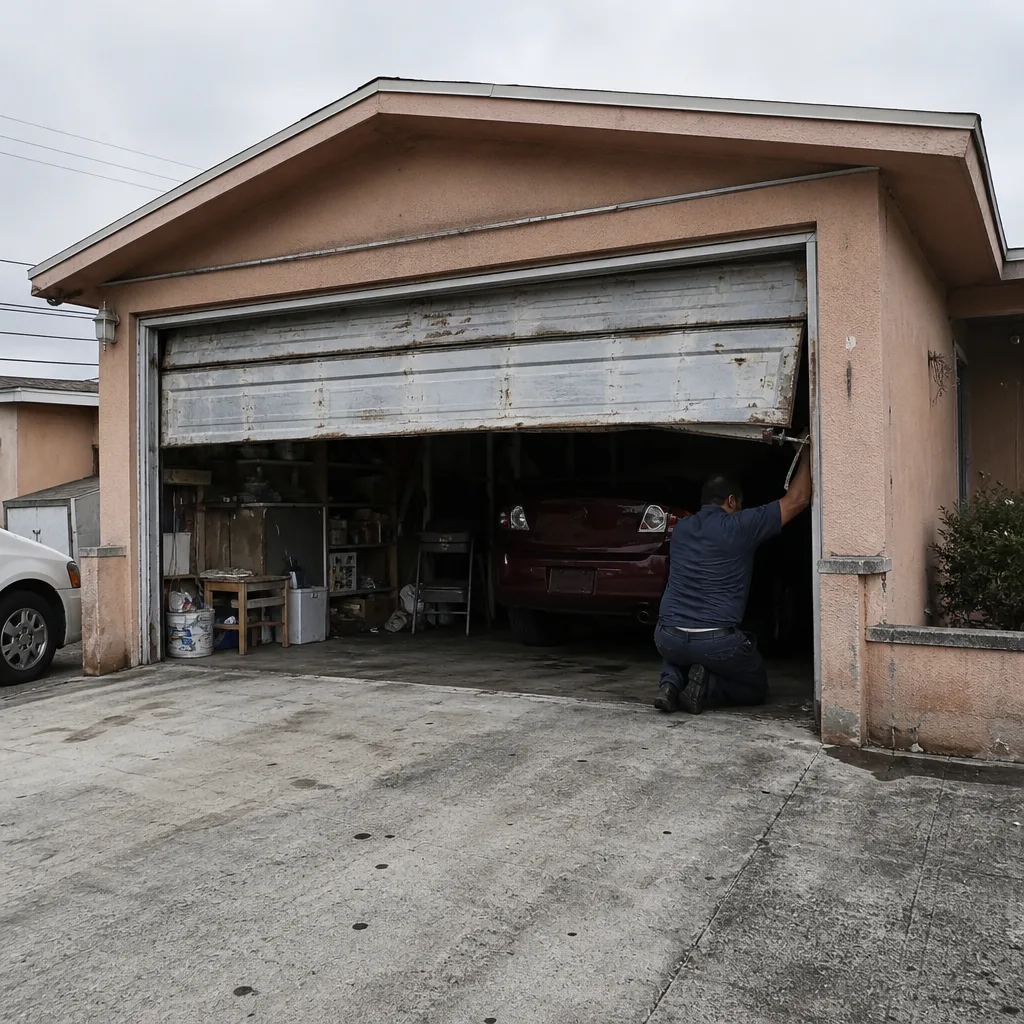
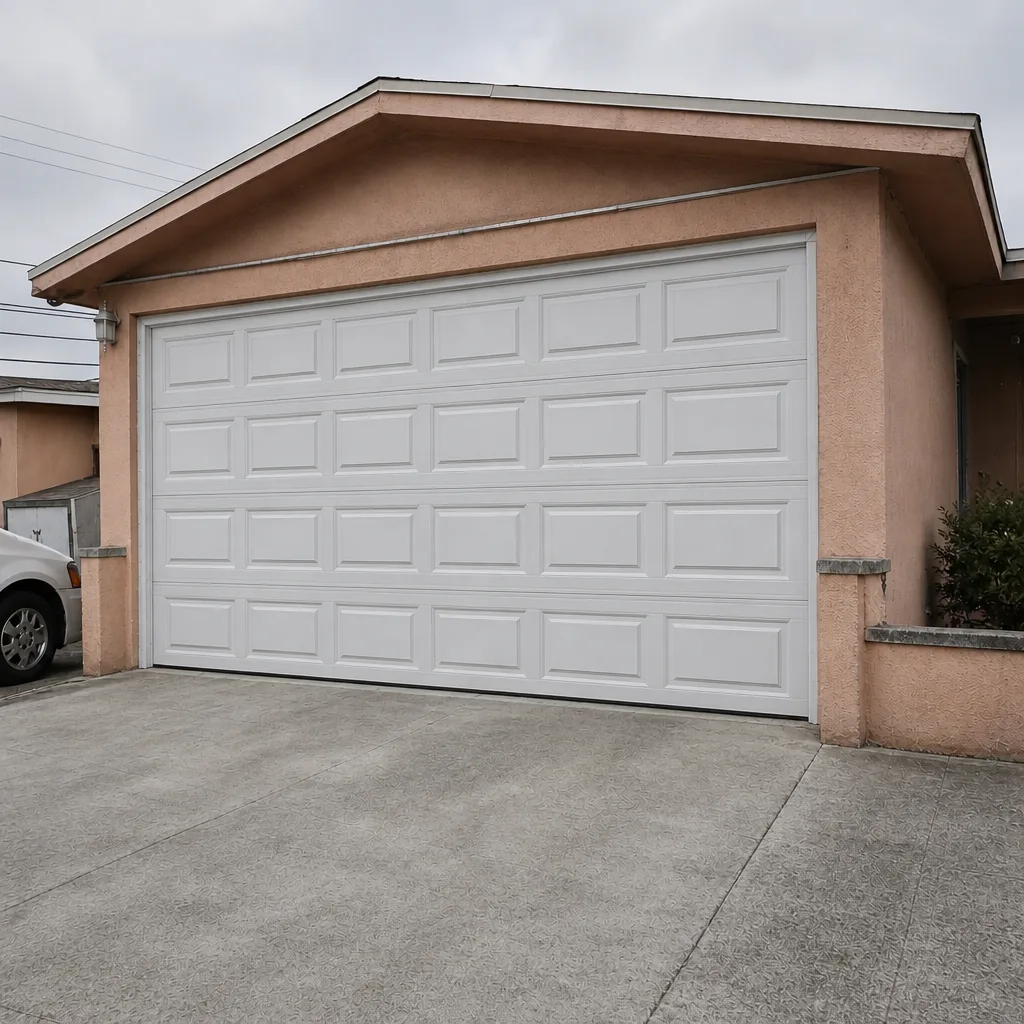
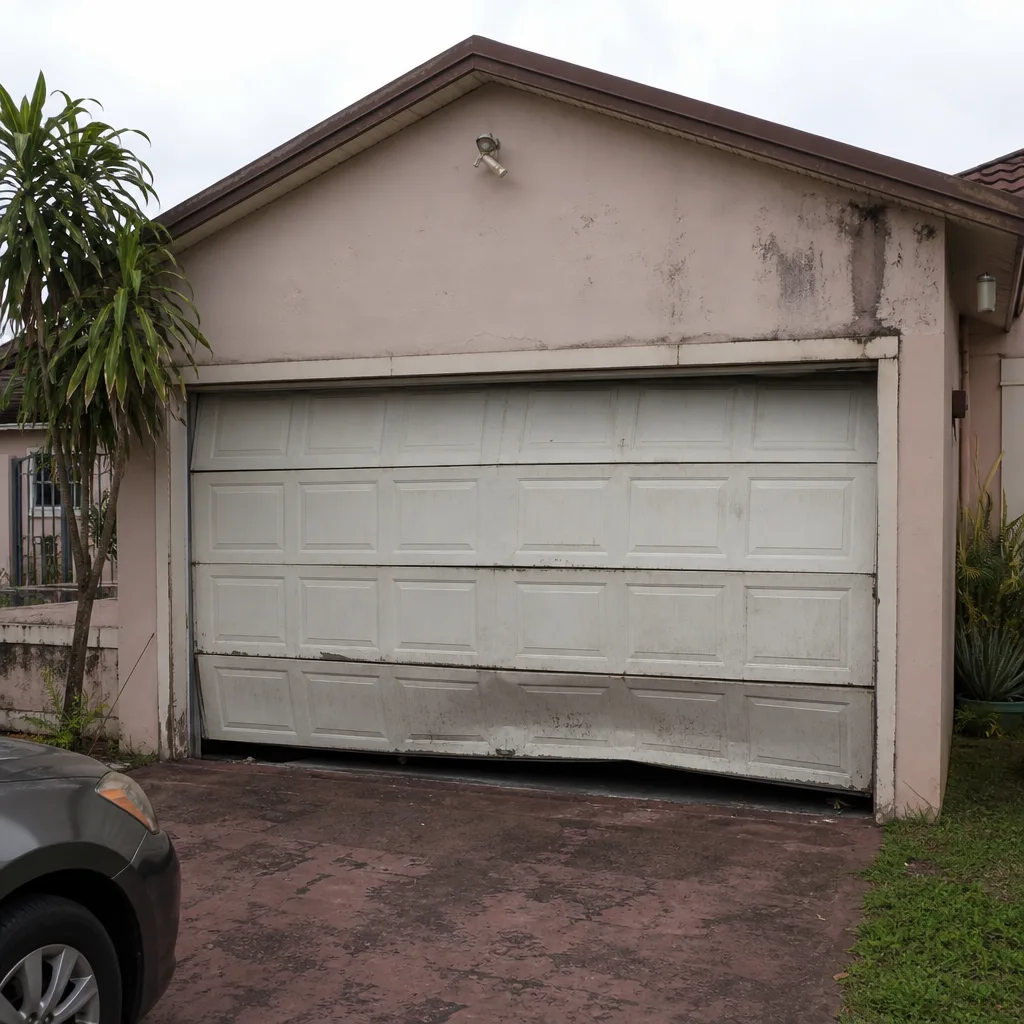
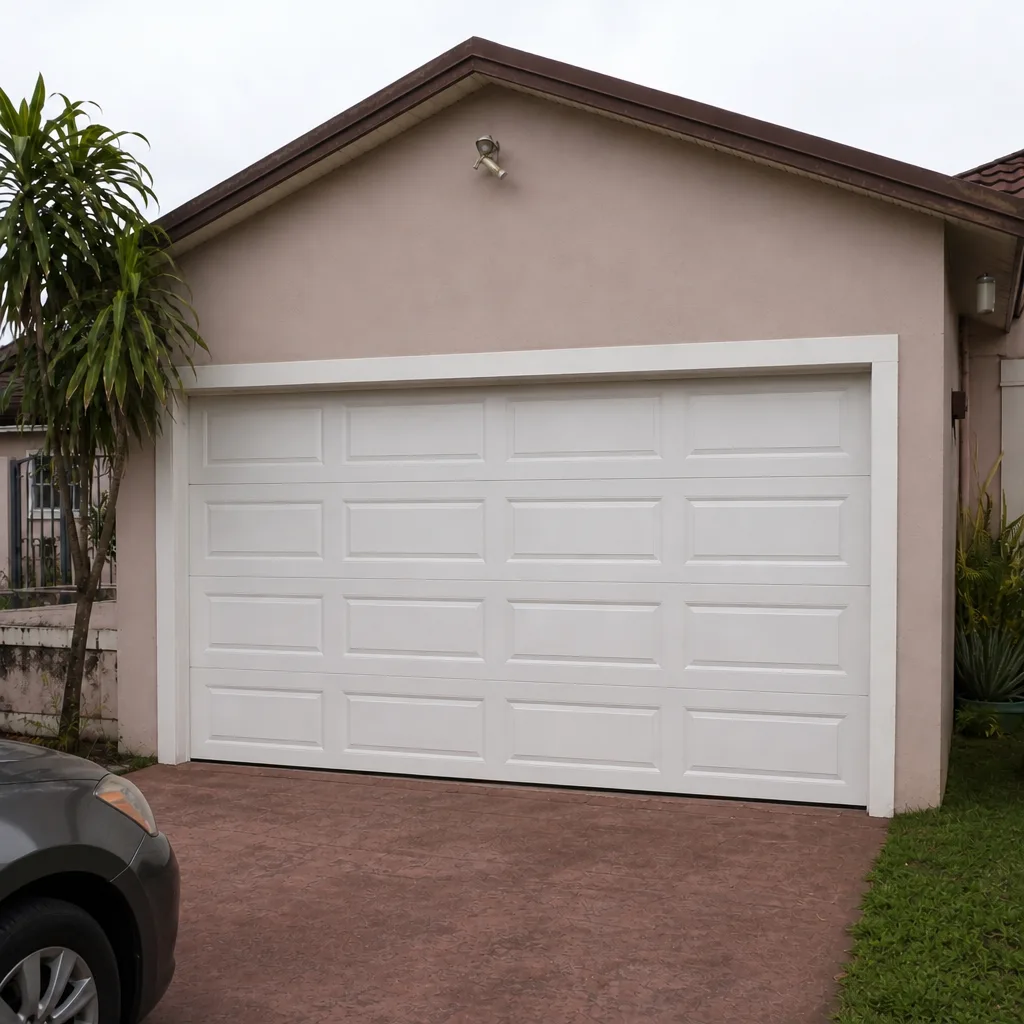
See the difference
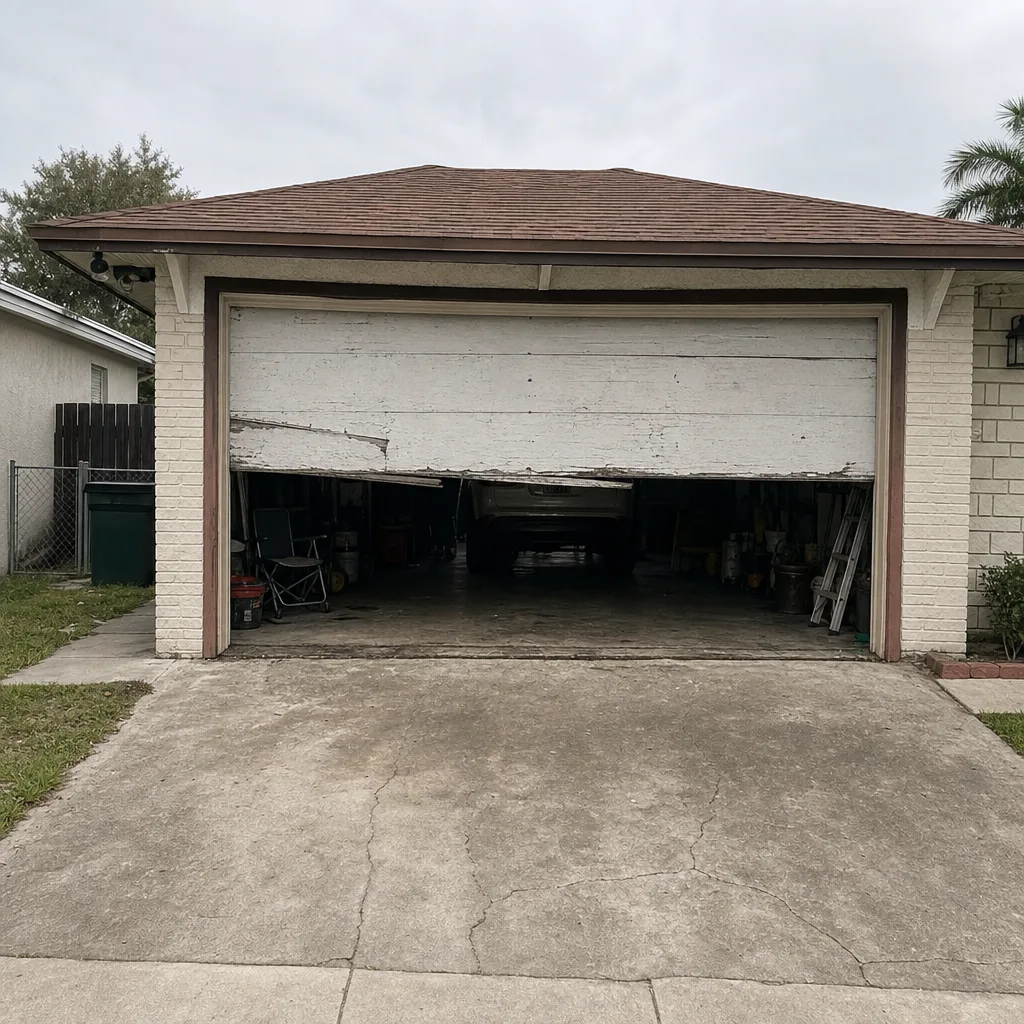 Before
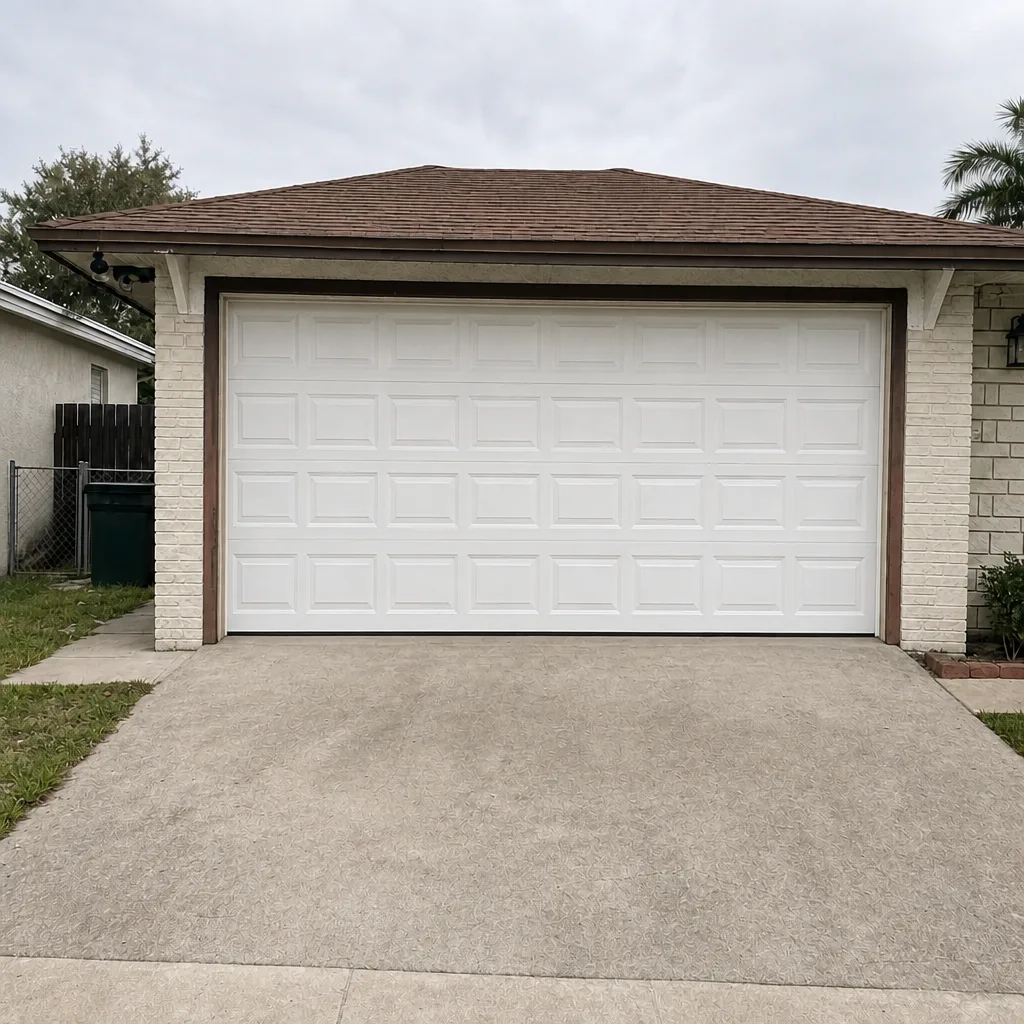 After
 Before
 After
 Before
 After
When to Call a Professional
Some garage door problems genuinely need a contractor, and some are homeowner territory. If a spring has snapped, a cable has come loose, or the door is hanging crooked, call a professional. Those involve high-tension components and shouldn’t be touched. If the opener has stopped responding, the safety sensors keep triggering, or the door reverses when it shouldn’t, call a technician, because diagnosing electronic faults by trial is expensive in the long run. If you’re planning a full replacement or a change to the door’s size, you need someone who understands county permits and HVHZ product requirements before any work begins. And if your existing door was installed without a permit, getting that sorted correctly is worth a conversation. For a repair issue like a broken spring or a failing opener, speed helps, and we can often get a technician to you the same day. For a replacement, the job gets measured and scheduled, and a free, written estimate is the first step. Rutherford Garage Door Repair offers free estimates in Hialeah. Call (877) 326-5883. We answer 24/7. Fast dispatch from 7am to 7pm, Sunday through Friday.
Frequently Asked Questions
Look up the contractor’s license number in the Florida DBPR public database and confirm the status is active, the name on the license matches the company, and the license type covers the work being quoted. Separately, ask whether the contractor holds a Miami-Dade County contractor license and can pull the permit for a full replacement. Call (877) 326-5883 for an exact quote on your job; estimates are free.
Most full garage door replacements in Miami-Dade County require a permit, and the door product typically has to carry Miami-Dade product approval because of the county’s HVHZ standards. A repair like a spring, roller, or opener fix usually doesn’t need a permit. Confirm the specifics with your contractor and your city’s building department before work starts. Call (877) 326-5883 if you want a straight answer on whether your job needs one.
The High-Velocity Hurricane Zone is Miami-Dade County’s wind-resistance standard for construction products, and it governs which garage doors can legally be installed on homes in the zone. A door without the required product approval can’t be installed legally, and doing so creates a compliance problem you’ll discover later, at inspection or sale. Ask your contractor to name the approved products they install and to show you the documentation. Call (877) 326-5883 to talk through which door lines carry approval.
A single torsion spring replacement in Hialeah typically runs $180 – $340, and a matched pair costs about twice that because it’s two springs. Roller and hinge replacement is typically $120 – $250, and opener repairs typically fall in the $150 – $400 range depending on the fault. These are typical estimates, and the written quote is the price you pay. Call (877) 326-5883 for an exact quote; estimates are free.
No, when the contractor has quoted the job properly. The price should be agreed in writing before any work begins, and any change to that price requires your sign-off. If a contractor can’t tell you whether the quote is fixed before work starts, that’s a warning sign. Call (877) 326-5883 for an estimate that holds; estimates are free.
Often, yes. Spring and opener repairs are typically same-day work when the schedule allows, which is one reason to call early. Call (877) 326-5883. We answer 24/7. Fast dispatch from 7am to 7pm, Sunday through Friday. A call outside dispatch hours is booked into the next opening, Sunday through Friday, 7am to 7pm. For a full replacement, expect a measure and a scheduled installation rather than same-day work.
The Bottom Line
Hiring a garage door contractor in Hialeah comes down to verification, not vibes. Confirm the state license in the DBPR database, confirm the Miami-Dade County credential if the job involves a permit, and confirm the contractor understands HVHZ product requirements before a replacement quote is ever written. Insist on a written estimate with line items, and make sure you understand whether the quote covers one spring or a pair. Watch for the red flags that matter in this line of work: no measurement before a quote, no mention of permits, and pressure to replace when repair is on the table. And if you’re not sure where your door falls, ask someone who works on them every day for a straight answer.
If you’re looking for a specialist who focuses on this trade rather than a generalist home-service operation, Rutherford Garage Door Repair handles garage door repair, garage door opener repair, and full door installation as three distinct services, with training across LiftMaster, Chamberlain, Genie, Clopay, Amarr, Wayne Dalton, Craftsman, and Raynor systems. Our technicians have up to 9 years of experience, and repair comes before replacement on every call. We’re a local specialist in Hialeah and the surrounding area, and we know what a Miami-Dade permit and HVHZ product approval actually require on this side of the county line. You’ll get a free, written estimate before anything gets ordered or installed, and the price is agreed before any work starts. If you’d like a straight answer on your door, call (877) 326-5883. We answer 24/7. Fast dispatch from 7am to 7pm, Sunday through Friday. You can also read more about Rutherford Garage Door Repair and what we handle.
Written by the team at Rutherford Garage Door Repair.