
Last updated November 15, 2026
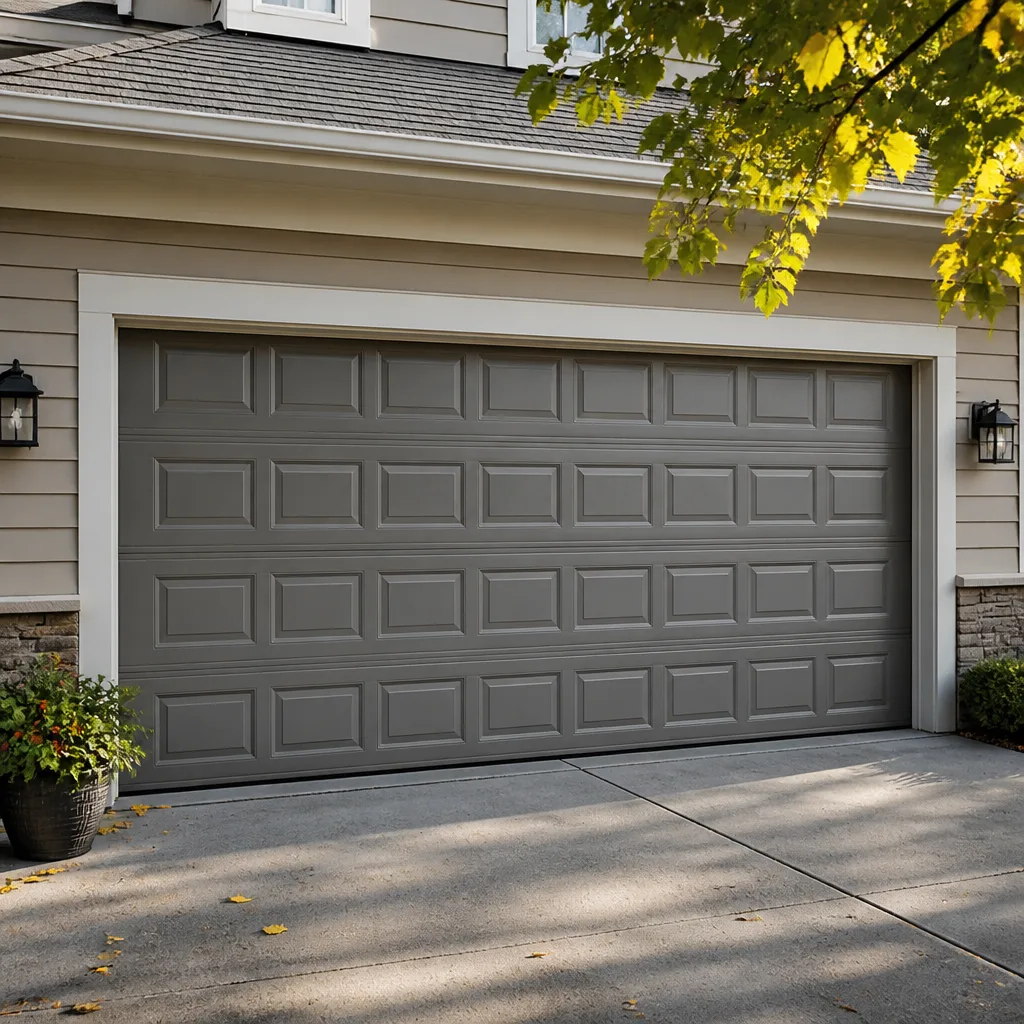 Raised-panel steel
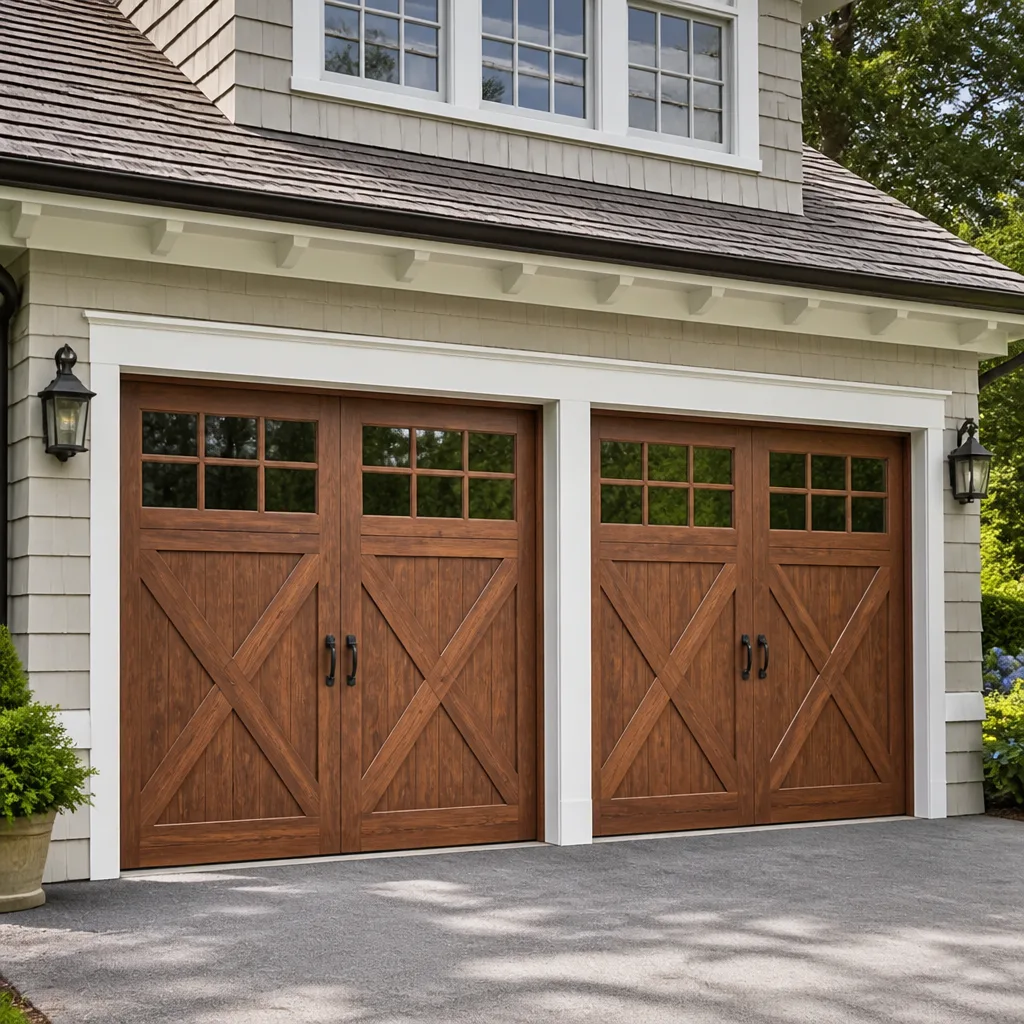 Carriage house
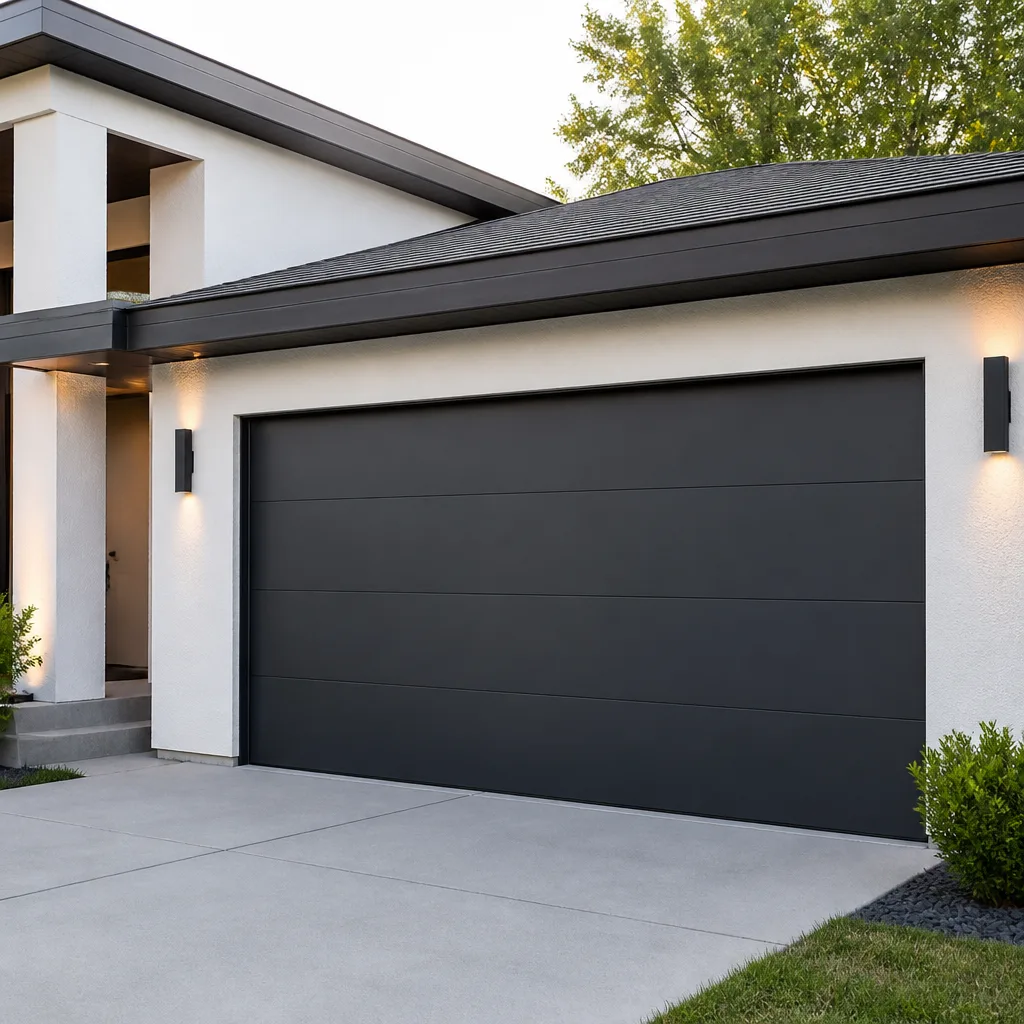 Modern flush
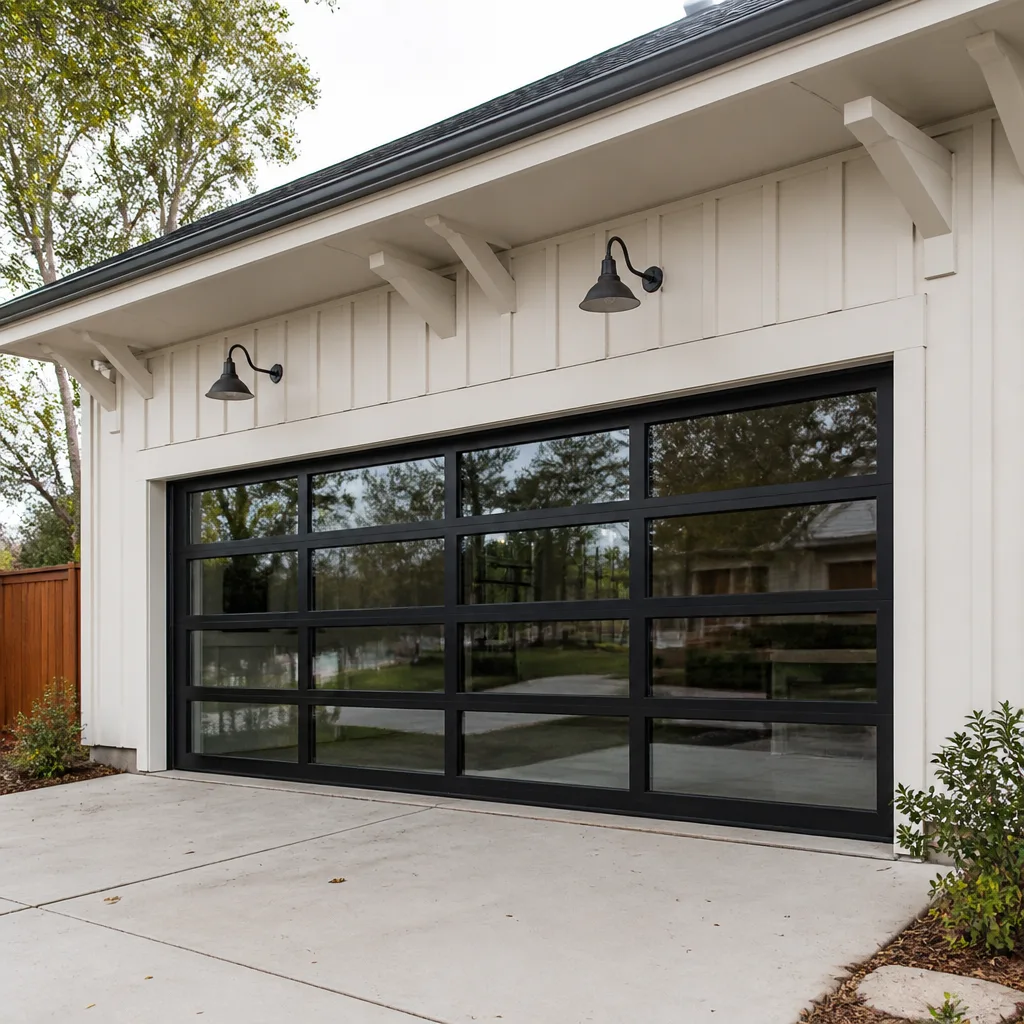 Full-view glass
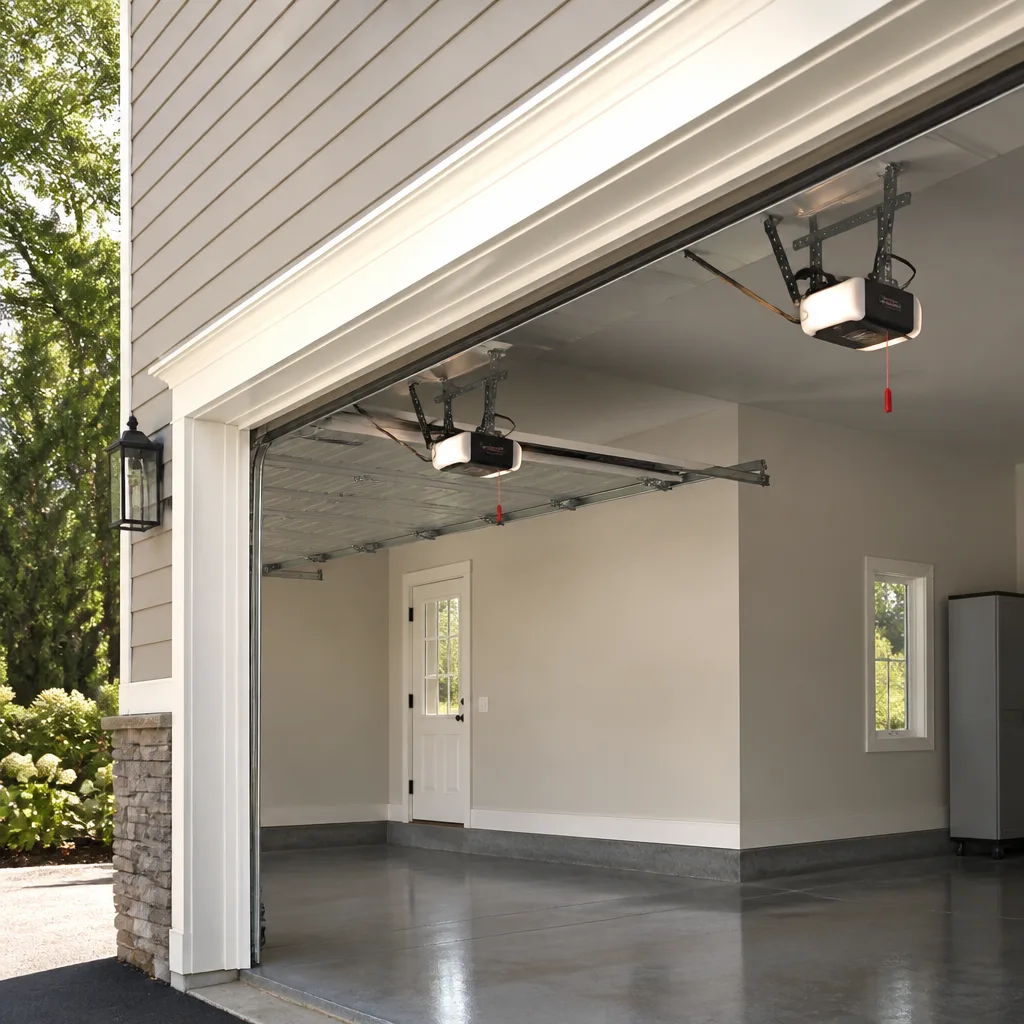 LiftMaster openers
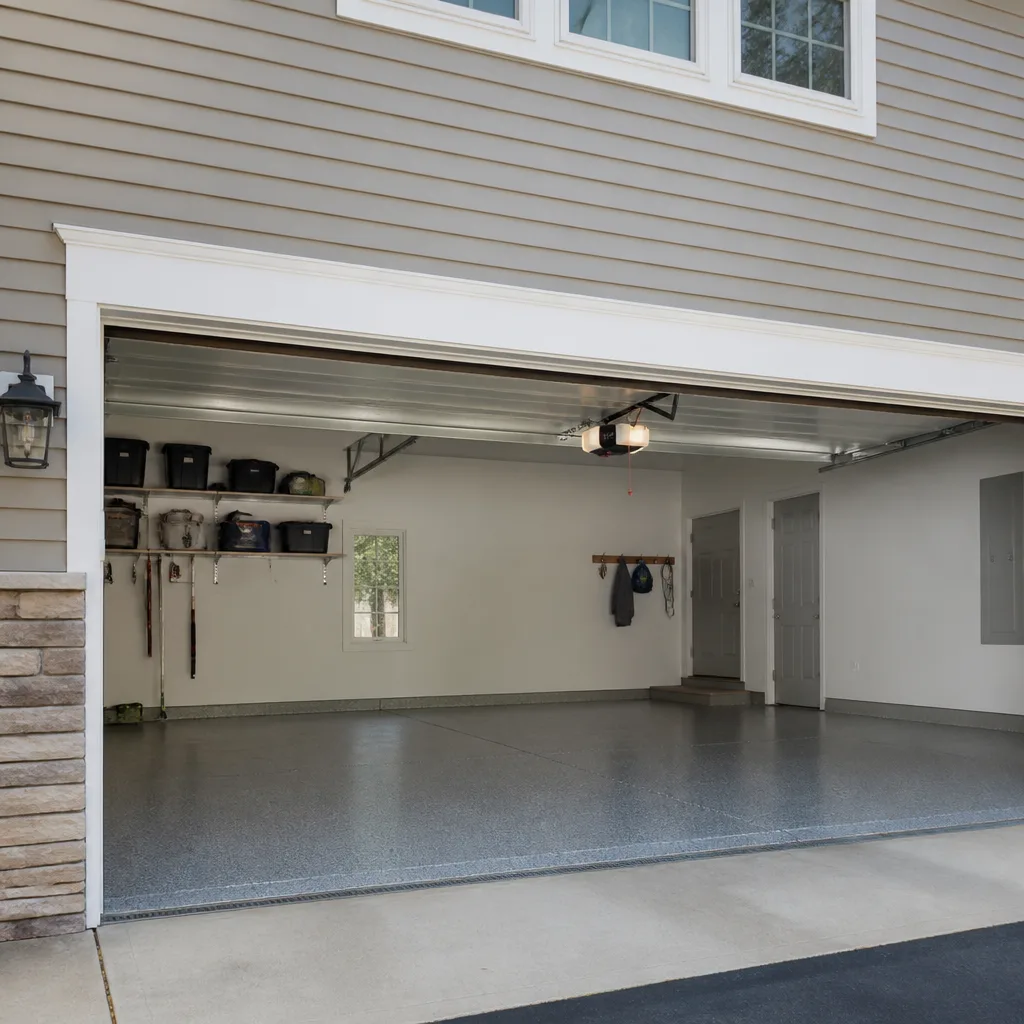 Chamberlain openers
Full 25-point door and opener safety check with every visit - springs, cables, rollers, tracks, and your LiftMaster or Chamberlain opener included
You get a price before we start. It does not change when the pro arrives.
Get your free estimateGarage Door Repair Maintenance Schedule: What to Do and When
Most garage door advice tells you to “check your door twice a year” and leaves it there. That schedule was written for a climate with four distinct seasons, and it does not fit a Hialeah door. A door in Hialeah lives through eight or nine months of heat and heavy humidity, a summer storm season that drives rain sideways into every seal, and a short dry stretch in winter that finally lets metal settle. The failures we see here follow that pattern, not the calendar. So the useful question is not “how often” but “when, and what specifically.” This guide gives you a month-by-month protocol built around Hialeah’s weather: what to inspect before storm season, what to check after the worst of the summer humidity, and what to adjust when the dry air arrives. You’ll learn the right lubricant for this heat, a 30-second visual spring check, how weatherstripping ties to rain patterns, and why a simple maintenance log saves real diagnostic time.
Styles & brands we work with
- Raised-panel steel
- Carriage house
- Modern flush
- Full-view glass
- LiftMaster openers
- Chamberlain openers
Quick Answer
In Hialeah, a garage door needs a monthly 30-second visual check of springs and cables, a lubrication pass every three to four months with a silicone or lithium-based lubricant (never standard WD-40), a weatherstripping inspection before and after storm season, and a full balance and hardware check once a year. The heaviest maintenance load lands in late spring, just before hurricane season, and again in early fall after the peak humidity months. Winter is the best window for adjustments and any repair you’ve been putting off.
Table of Contents
- Why Hialeah Doors Age Differently
- The Month-by-Month Maintenance Calendar
- The Right Lubricant for South Florida Heat
- The 30-Second Spring and Cable Check
- Weatherstripping and the Rain Pattern
- Opener Care and Smart-Home Diagnostics
- Keeping a Maintenance Log That Actually Helps
- Common Mistakes to Avoid
- When to Call a Professional
- Frequently Asked Questions
Why Hialeah Doors Age Differently
Heat and humidity age a garage door on a different curve than cold does. Cold makes metal contract and makes lubricants thicken, which is why northern guides obsess over winter. Hialeah gives you the opposite problem: sustained warmth that keeps lubricants thin and airborne moisture that settles onto bare steel. Every hinge pin, roller stem, and spring coil in your door is a small corrosion target, and salt from sweat on your hands, dust blown in from unpaved lots, and the general dampness of a Florida summer all speed the process up.
The practical result is that the components that move the most wear unevenly. Hinges at the bottom of the door see more moisture from splash-back after a heavy rain. Rollers pick up grit and start to flat-spot. Springs, which carry the full weight of the door on every cycle, are the part most sensitive to a dry or contaminated surface, because friction between coils is what shortens their working life. This is why a maintenance schedule that ignores Hialeah’s climate tends to miss the failures that actually happen here.
Storm season adds its own stress. Before a storm, doors get cycled more often as people move things in and out, and after a storm, a door that took a hit may look fine but have a slightly bent track or a roller that jumped its groove. Catching those small problems early is the whole point of a schedule tied to seasons rather than a fixed calendar.
We work on door systems across Hialeah every week, and the pattern is consistent: doors that get a climate-aware maintenance routine last noticeably longer between major repairs. If you’d rather have a specialist look it over than do it yourself, our garage door repair team can work through the same checklist on your door.
The Month-by-Month Maintenance Calendar
Here’s the schedule we recommend for a Hialeah garage door, organized by what the weather is doing and what that means for the door. You don’t need to hire anyone for most of these steps – they’re inspections and light lubrication – but each one gives you information that makes a professional diagnosis faster if something’s wrong.
January – February: The Adjustment Window
This is the dry, cooler stretch. Metal has settled, humidity is lower, and it’s the easiest time of year to make adjustments that will hold. Walk the door and check that it moves smoothly and stays level. Look at the springs and cables visually (more on that below). Test the auto-reverse safety feature with a small block of wood under the door. This is also the best time to book any repair you’ve been postponing – the door isn’t fighting the summer heat, and work done now will carry you into storm season.
March – April: Pre-Season Check
Before hurricane season, do a full inspection. Tighten every hinge and bracket you can reach, clean and lubricate all moving parts, and check the weatherstripping along the bottom and sides. Look for any gap where water could get in. If your door has glass panels, check the seals around them. This is the time to notice a problem while you still have weeks to fix it, not the night before a storm.
May – June: Storm-Season Readiness
Confirm your door’s balance and that the opener’s force settings are where they should be. Test the manual release so you know it works if the power goes out. If you’re planning to leave town for any part of storm season, make sure the door will close and lock reliably without power. A door that relies entirely on the opener to close is a door you can’t secure by hand.
July – September: The Monthly Visual
Peak heat and humidity. During these months, do the 30-second visual check of springs and cables once a month. Listen to the door every time it runs. If the sound changes – a new squeak, a grinding note, a thump at the end of travel – write it down. Don’t lubricate again unless something is clearly dry or noisy; over-lubricating in humid weather just attracts grit.
October – November: Post-Season Inspection
After the worst of the humidity, re-inspect. Check weatherstripping for cracking or separation, look at the tracks for rust or misalignment, and re-test the balance. If the door has been through a storm with strong wind, look closely at the panels and the tracks. This is when small storm damage usually shows up.
December: Full Annual Check
Close the year with a full check: balance test, safety reverse test, hardware tightening, spring and cable inspection, opener force settings, and a look at the door’s overall alignment. Update your maintenance log (see below). This annual pass is the anchor for the smaller monthly tasks, and it’s the one we’d suggest a specialist handle if you’re not comfortable checking the door’s mechanical balance yourself.
The Right Lubricant for South Florida Heat
Standard WD-40 is a solvent, not a lubricant. It’s excellent for breaking loose a rusty bolt, but on a garage door it strips away the grease that’s already protecting the moving parts, then evaporates and leaves the metal drier than before. In a hot, humid climate that’s the worst possible outcome, because bare steel starts to corrode quickly. Many homeowners reach for WD-40 because it’s what’s in the garage, and it’s one of the most common reasons we see premature wear on springs and hinges.
What actually works here is a lubricant that stays put: a silicone-based spray or a white lithium grease designed for garage door hardware. Both resist washout, both hold up to heat, and neither attracts grit the way a thin oil does. For hinges, rollers, and the torsion tube bearings, apply a light coat and wipe off the excess. For the tracks, use a rag with a small amount of lubricant rather than spraying directly, since you want a thin film, not a puddle.
What to Lubricate and How Often
- Hinges and roller stems – every three to four months, light silicone or lithium spray.
- Torsion tube and bearings – every three to four months, a small amount worked into the bearing, then wiped.
- Tracks – a thin film every few months, applied with a rag, never sprayed heavily.
- Springs – a light coat on the coils, wiped in, not sprayed directly. Don’t touch them to apply it; wipe from the outside.
- Any moving part with a squeak – address it as soon as you hear it, rather than waiting for the next scheduled pass.
Don’t lubricate the opener’s rail or belt unless the manufacturer’s guide for that brand says to. Brands like LiftMaster and Chamberlain typically have sealed or belt-driven units where adding lubricant causes more problems than it solves. If you’re unsure what your unit needs, that’s a good question to bring to a technician rather than an experiment to run on your door.
The 30-Second Spring and Cable Check
Springs and cables are the parts of your door that can hurt you if something goes wrong, so the check here is entirely visual. You’re not touching, adjusting, or testing tension by hand – you’re looking for signs that a professional needs to be involved. This check takes about 30 seconds and you should do it once a month during Hialeah’s hot stretch.
- Look at the springs from a safe distance. If you have torsion springs above the door, check that the coils are still even and the gaps between them are consistent. A gap that’s suddenly wider, or a coil that’s visibly bent or rusted through, is a flag.
- Look at the cables that run along the sides. They should be taut, straight, and sitting neatly in their drums. Fraying, a birdcage of loose wire strands, or a cable that looks slack is a reason to stop using the door.
- Look at the door’s travel. Watch one full open and close cycle from the side. The door should move smoothly and stay level. A door that jerks, hangs on one side, or slams at the end of its travel is telling you something.
- Listen. A door that’s getting louder or making a new noise is a door that needs attention. Write down what you hear and when.
- If anything looks wrong, stop cycling the door and call a professional. Springs and cables carry a lot of stored energy – a broken spring or cable can cause serious injury, and this is not a repair to attempt yourself. A trained technician has the right tools and the training to handle it safely.
If your spring looks off or the door is unbalanced, our garage door repair specialist can assess it and give you a written estimate before any work begins. Our technicians have up to 9 years of experience, and they’re trained on the major brands you’ll find in Hialeah homes, so they can tell you what’s normal for your specific door.
Weatherstripping and the Rain Pattern
Weatherstripping is the rubber or vinyl seal around the bottom, sides, and top of the door, and in Hialeah it’s doing more work than you might think. Its job isn’t just to keep out drafts – it’s to keep humidity and driving rain away from the door’s panel edges and the interior of your garage. When the seal fails, the door panel starts taking on moisture at its weakest points, which can lead to warping, delamination of the panel skin, and rust at the bottom edge.
The right time to inspect weatherstripping here is before storm season and again in the late fall after the rain. Run your hand along the bottom seal (with the door down) and look for cracks, a flattened or compressed profile, or places where it doesn’t sit flush with the floor. Check the side seals for gaps where light shows through. A seal that’s hard, brittle, or pulling away from the door is on its way out.
If you notice water in the garage after a heavy rain, the weatherstripping is the first place to look. A gap at the bottom of the door is common, especially if the floor has settled or the door has shifted. Replacing a bottom seal is one of the more straightforward maintenance tasks, and getting to it before the panel warps is far cheaper than replacing a panel. If the door panel itself is already showing soft spots or bubbling at the bottom edge, that’s a sign the moisture has been getting in for a while, and it’s worth having someone look at the door structure.
Opener Care and Smart-Home Diagnostics
The opener is the part of your garage door system that most homeowners interact with, and it’s also the part most likely to be misdiagnosed. An opener that struggles to lift the door is usually not a failing opener – it’s a door that’s out of balance or a spring that’s lost tension. Knowing how to tell the difference saves you from replacing a unit that’s fine.
A quick test: pull the manual release and lift the door by hand. A balanced door should move with light effort and stay open at roughly waist height. If it’s hard to lift or slams down, the door or springs are the problem, not the opener. If the door is balanced and easy but the opener still strains, then it’s worth looking at the opener itself. Brands like Craftsman, Raynor, LiftMaster, and Chamberlain all have their own behavior patterns and their own error codes, and a technician familiar with a brand can usually diagnose an issue faster than someone reading a manual for the first time.
Opener Maintenance Basics
- Test the safety reverse feature every month – place a small object in the door’s path and confirm it reverses.
- Check the rail or belt for wear, but don’t lubricate it unless the manufacturer’s guide says to.
- Keep the photo-eye lenses clean and check that they’re aligned. A misaligned eye will stop the door closing, and it’s often mistaken for a bigger problem.
- If you have a smart opener, check that its app and Wi-Fi connection are working after any extended power outage during storm season.
- Replace the battery in your remote or keypad at the first sign of a short range, before it fails.
If your opener is the issue, our garage door opener repair team works on the major smart-home and traditional brands. We repair openers and doors before recommending replacement, so you’re not paying for a new unit when a repair would solve the problem.
Keeping a Maintenance Log That Actually Helps
A maintenance log sounds like paperwork, but in practice it’s the single most useful thing you can do between service visits. The idea is simple: write down what the door does, when it changed, and what you adjusted. A technician can diagnose a problem from a good log in a fraction of the time it takes by inspection alone.
Here’s what to record:
- The date and what you did (lubricated, tightened a hinge, replaced weatherstripping).
- Any new sound – the date you first noticed it, and whether it happens while opening, closing, or at the end of travel.
- Any change in door speed, in either direction.
- Any adjustment you made, and how the door behaved afterward.
- Any sign of water in the garage, and the date and severity.
- Any storm that hit the door hard, and an inspection note afterward.
When you write “the door started sounding different in late July,” a technician can connect that to the heat and humidity pattern and look specifically at the parts most affected. Without that detail, they have to check everything. That’s a difference measured in repair time, not just convenience.
Common Mistakes to Avoid
- Using WD-40 as a lubricant. It’s a solvent, and it strips the grease that protects your moving parts. In Hialeah’s heat it leaves metal drier than before. Use a silicone or lithium-based product instead.
- Waiting for a spring to break before looking at it. A monthly visual check catches a spring problem early. A broken spring is a bigger repair with a higher bill.
- Ignoring weatherstripping until you see water. By the time water shows up in the garage, the door panel may already be taking on moisture. Inspect the seals before and after storm season.
- Doing a “quick fix” on springs or cables yourself. These parts carry stored energy and can cause serious injury. Leave any spring or cable repair to a trained professional.
- Blaming the opener for a door problem. A struggling opener is usually a sign of a door that’s out of balance. Test the door by hand before you spend money on the opener.
- Skipping maintenance after a storm. Strong wind can bend a track or shift a panel. A quick inspection after every big weather event catches the damage while it’s still small.
- Not keeping a log. Without one, every service call starts from scratch. A few minutes of record-keeping makes every future diagnosis faster.
When to Call a Professional
Call a professional if your spring looks broken, bent, or rusted through, if a cable is frayed or slack, if the door is out of balance or won’t stay open, if a track is bent, or if your opener is straining despite a balanced door. Also call if you’ve noticed a new sound or speed change that didn’t resolve after a lubrication pass, or if the door has taken a hit from a storm. For the one annual full inspection where you’d need to check spring tension and door balance, having a trained technician handle it is the safer choice. Rutherford Garage Door Repair offers free estimates in Hialeah – call (877) 326-5883. We work on repair, opener work, and installation as a single focused team, so you’re not coordinating between contractors. If you’re not in Hialeah, our Rutherford Garage Door Repair team can still help you find the right next step.
Frequently Asked Questions
Every three to four months, using a silicone or lithium-based lubricant. In Hialeah’s heat and humidity, a standard thin oil won’t hold up, and WD-40 is the wrong product because it strips existing grease. Watch for noise and dryness between passes, and don’t over-lubricate during the humid summer months. If you’re not sure what your door needs, call (877) 326-5883 for a free estimate.
You can and should do a visual check once a month – look for uneven coils, visible rust through the spring, or a cable that looks frayed or slack. You should not touch, adjust, or try to test spring tension by hand. Springs carry stored energy and can cause serious injury, so any actual repair should go to a trained technician. If something looks wrong, stop using the door and call (877) 326-5883.
Test the door by hand with the manual release pulled. If the door is hard to lift or won’t stay open at waist height, the door or springs need attention first. If the door is balanced and moves easily but the opener still strains, then the opener is the likely issue. We repair openers before recommending replacement, so an opener problem doesn’t have to mean a new unit. Call (877) 326-5883 for a free estimate.
Before storm season in the spring and again after the heaviest rain in late fall. Hialeah’s rain pattern puts the seals under real pressure, and a failed bottom seal lets humidity into the panel edges, which leads to warping and rust. Run your hand along the bottom seal with the door down and look for cracks, a flattened profile, or gaps. If you find a problem, call (877) 326-5883 – estimates are free.
Yes, and it takes less time than people expect. A short record of sounds, speed changes, and adjustments lets a technician diagnose a problem in minutes instead of hours. Write down what changed and when, and mention it at your next service call. Call (877) 326-5883 to book a maintenance inspection in Hialeah.
We’re trained on eight major brands, including LiftMaster, Chamberlain, Craftsman, and Raynor, along with Genie, Clopay, Amarr, and Wayne Dalton. That means our technicians recognize brand-specific behavior and common failure points. If you’re in Hialeah, our Hialeah service team can look at your door and give you a written estimate before any work starts. Call (877) 326-5883.
The Bottom Line
Hialeah’s climate doesn’t follow a generic maintenance calendar, so a door here needs a schedule tied to the seasons. Do the 30-second visual spring and cable check once a month, lubricate every three to four months with a silicone or lithium-based product, and inspect your weatherstripping before and after storm season. Use the dry winter stretch for adjustments and any repair you’ve been putting off. Keep a simple log of sounds, speeds, and changes, and let a professional handle the annual full inspection and any spring or cable work. If you need a specialist to review your door, our team at Rutherford Garage Door Repair is ready. Call (877) 326-5883 for a free estimate. We answer 24/7. Fast dispatch from 7am to 7pm, Sunday through Friday.
Written by the team at Rutherford Garage Door Repair.
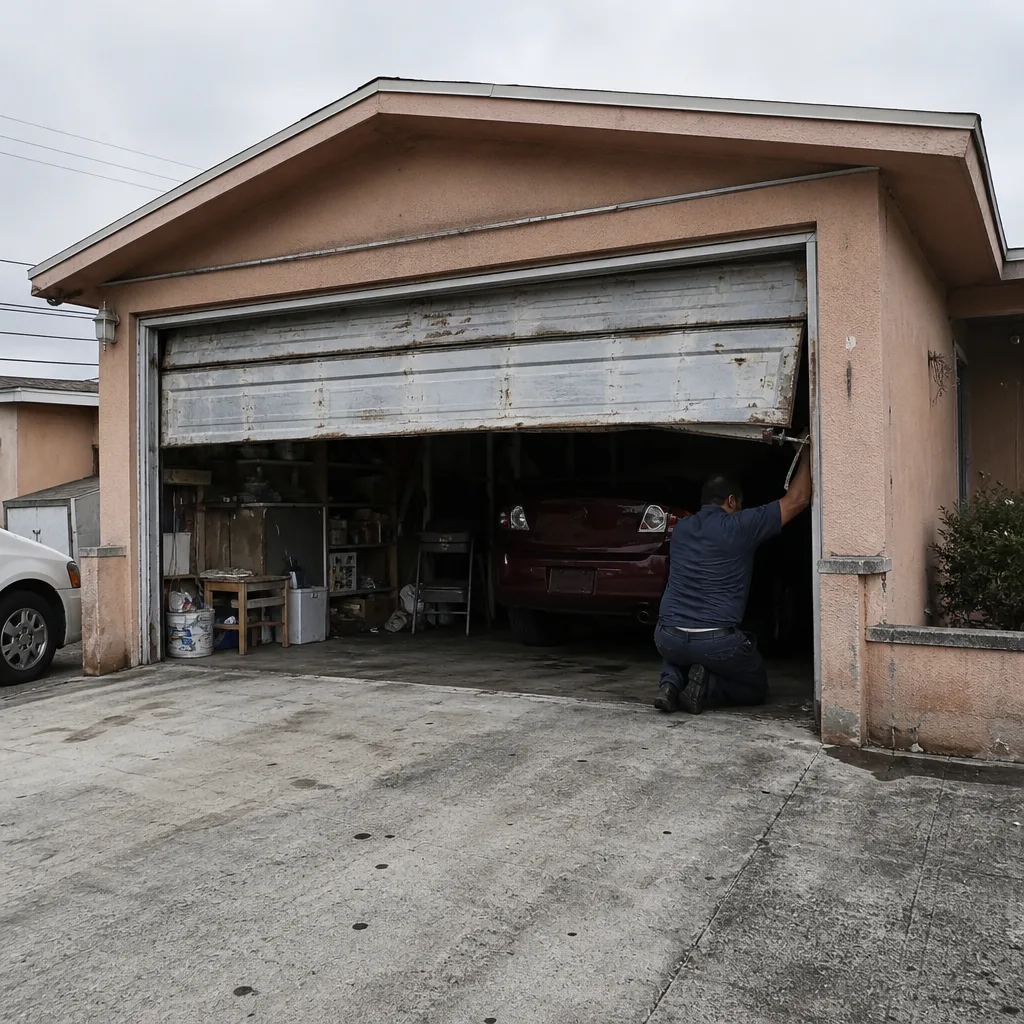
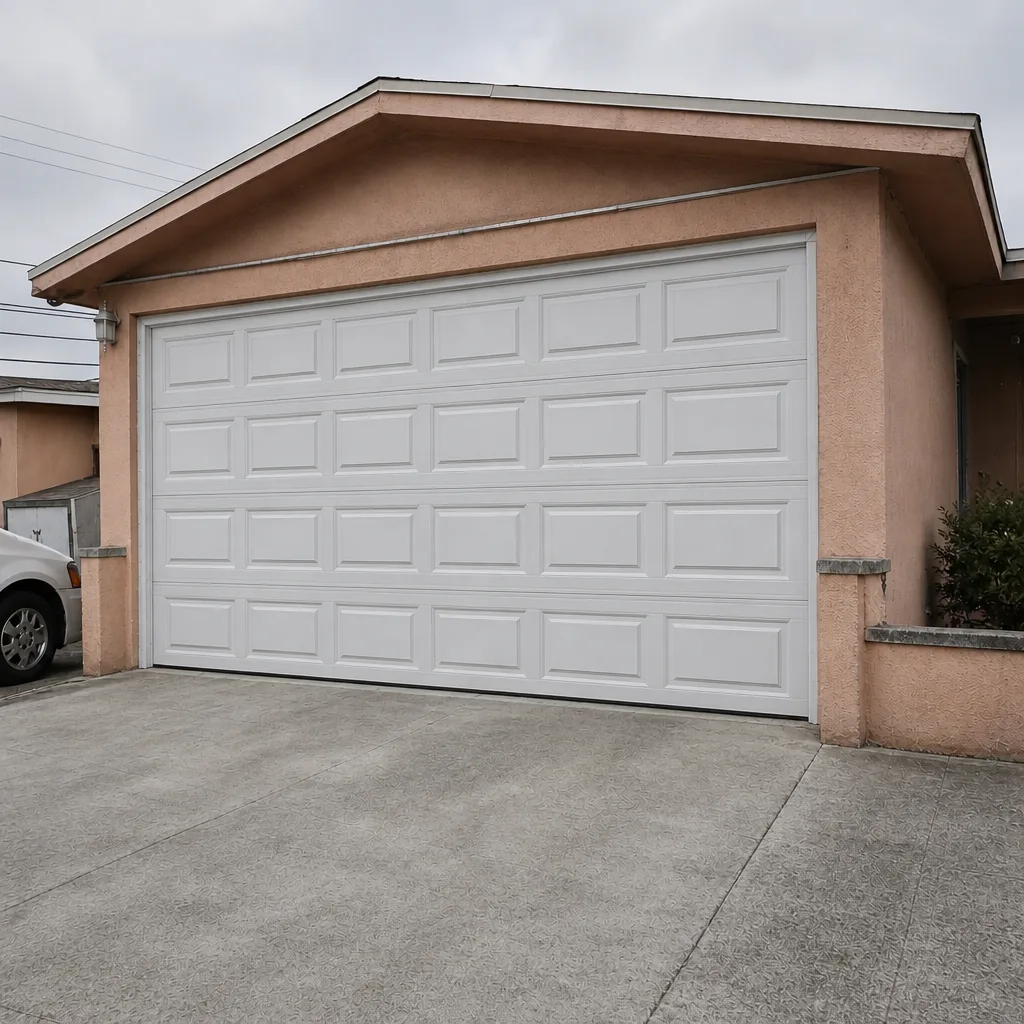
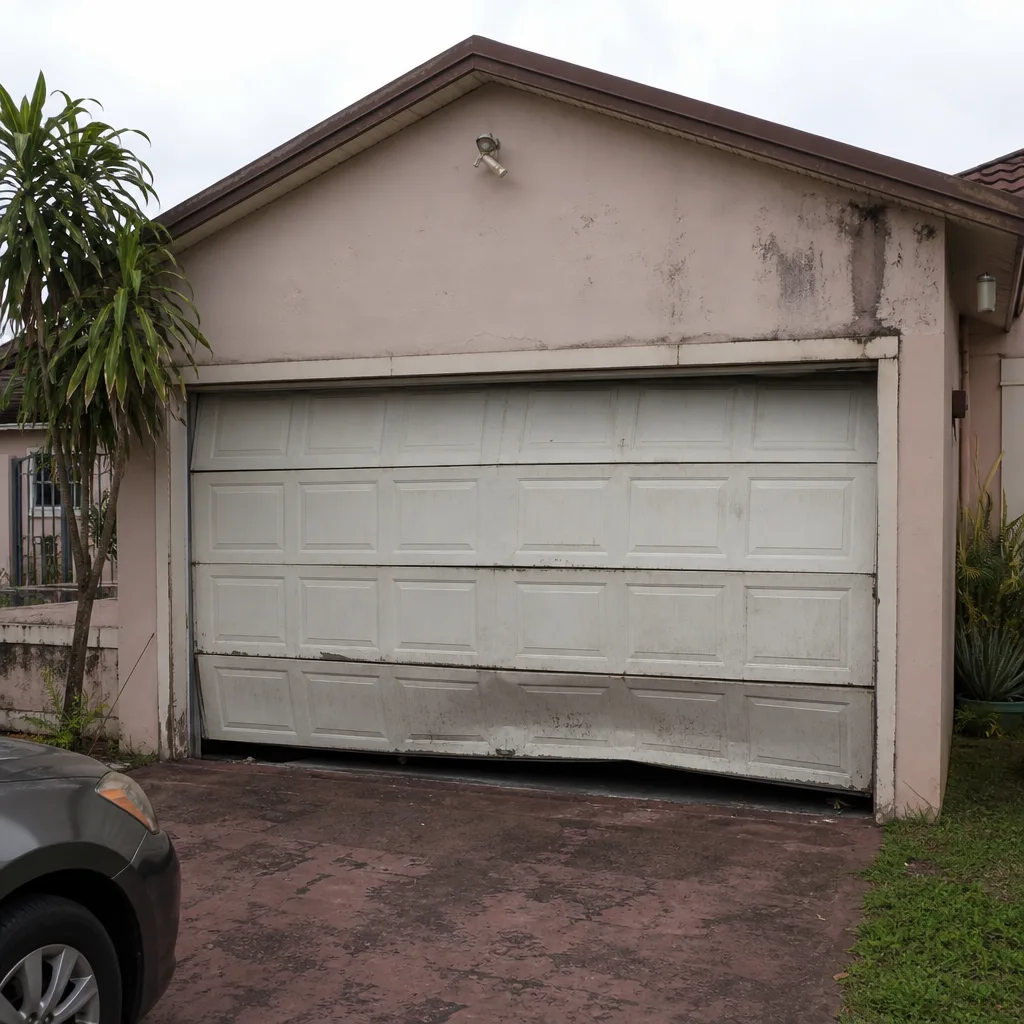
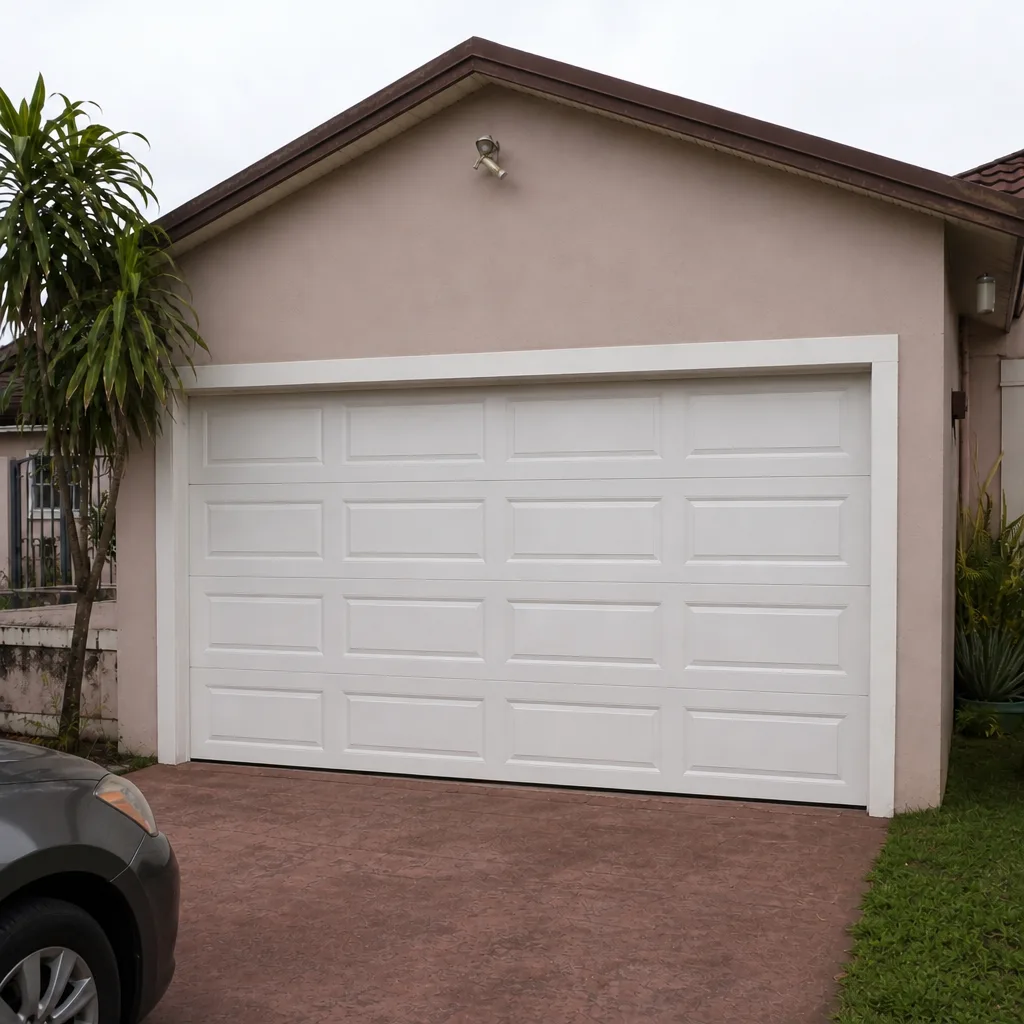
See the difference
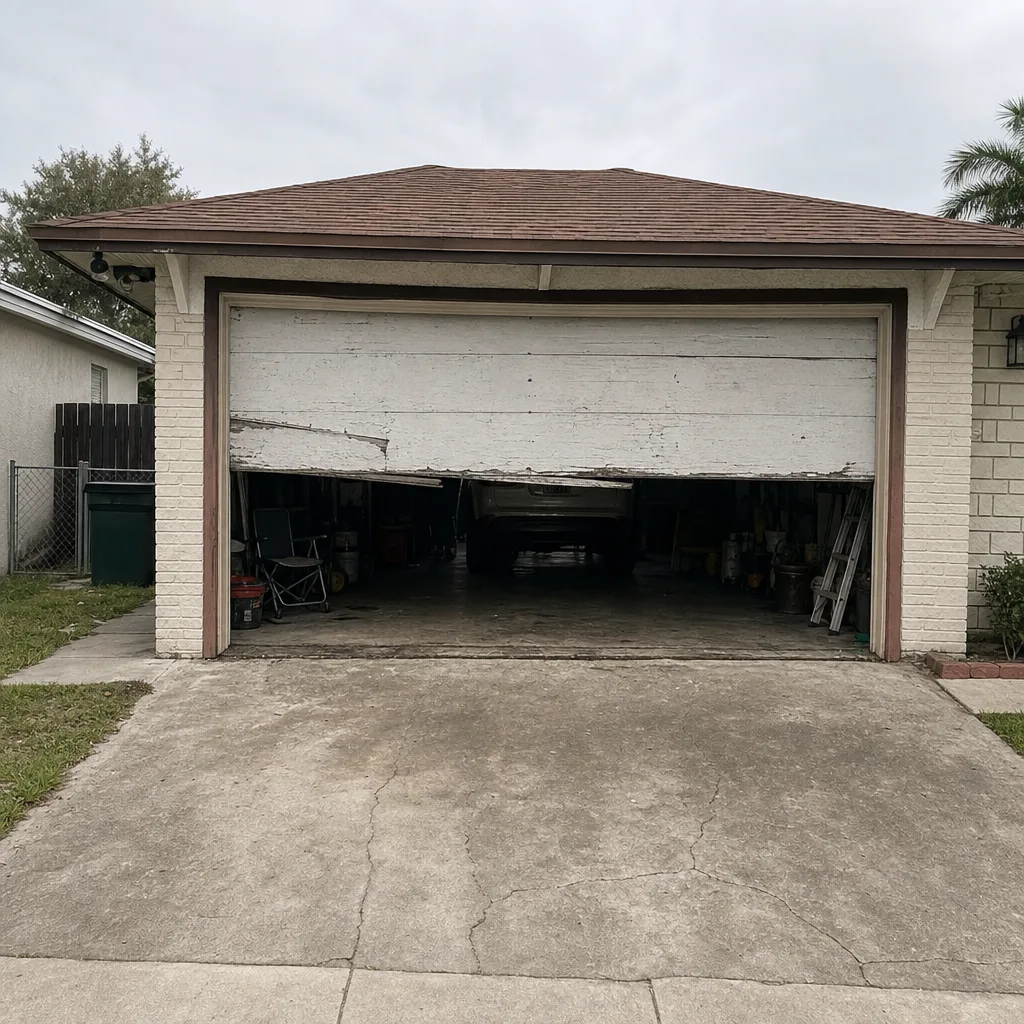 Before
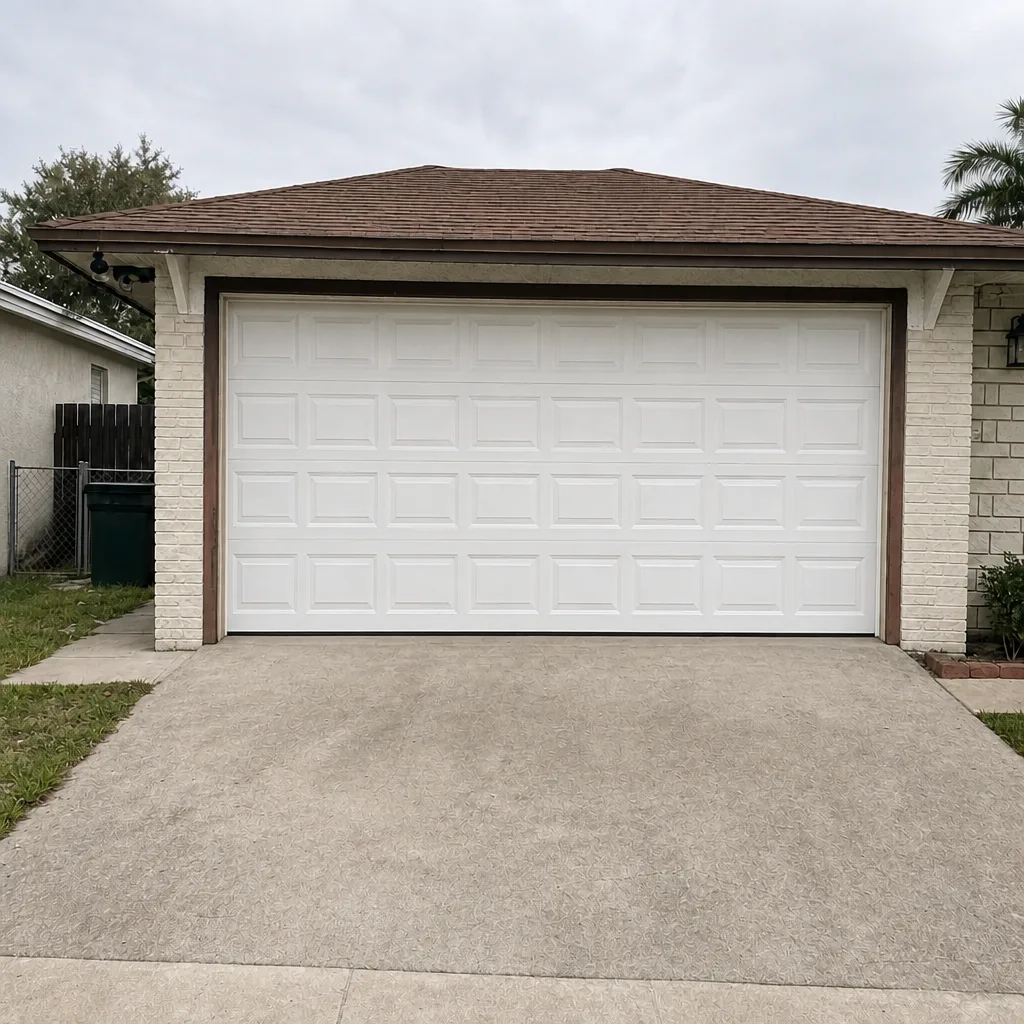 After
 Before
 After
 Before
 After