
Last updated November 15, 2026
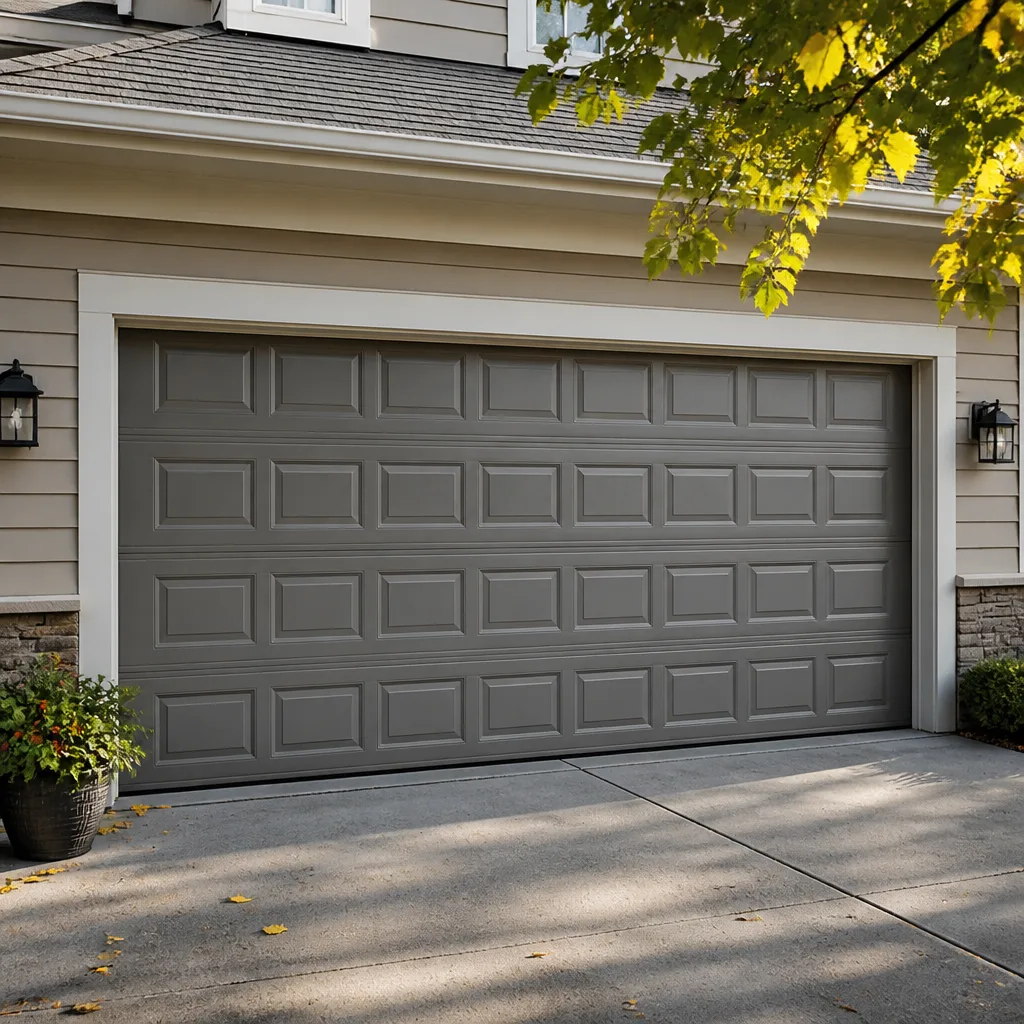 Raised-panel steel
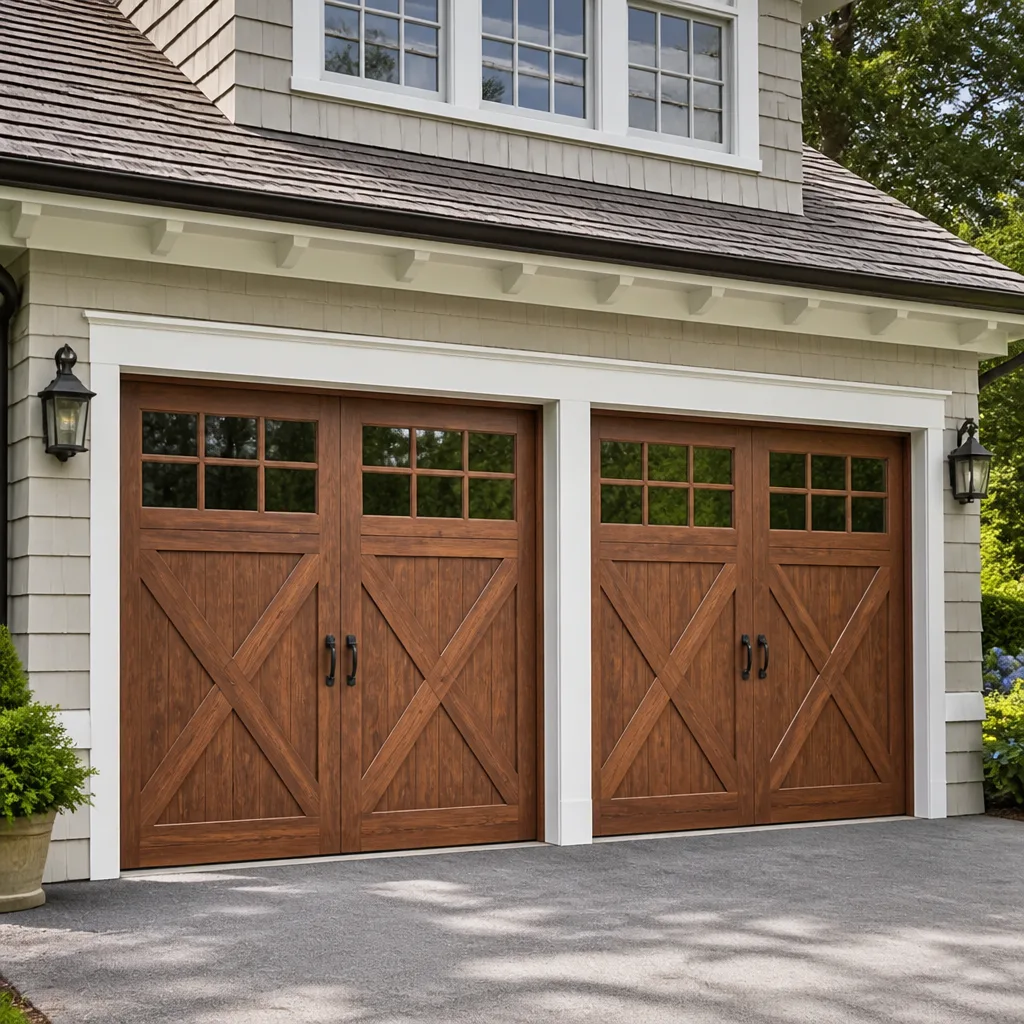 Carriage house
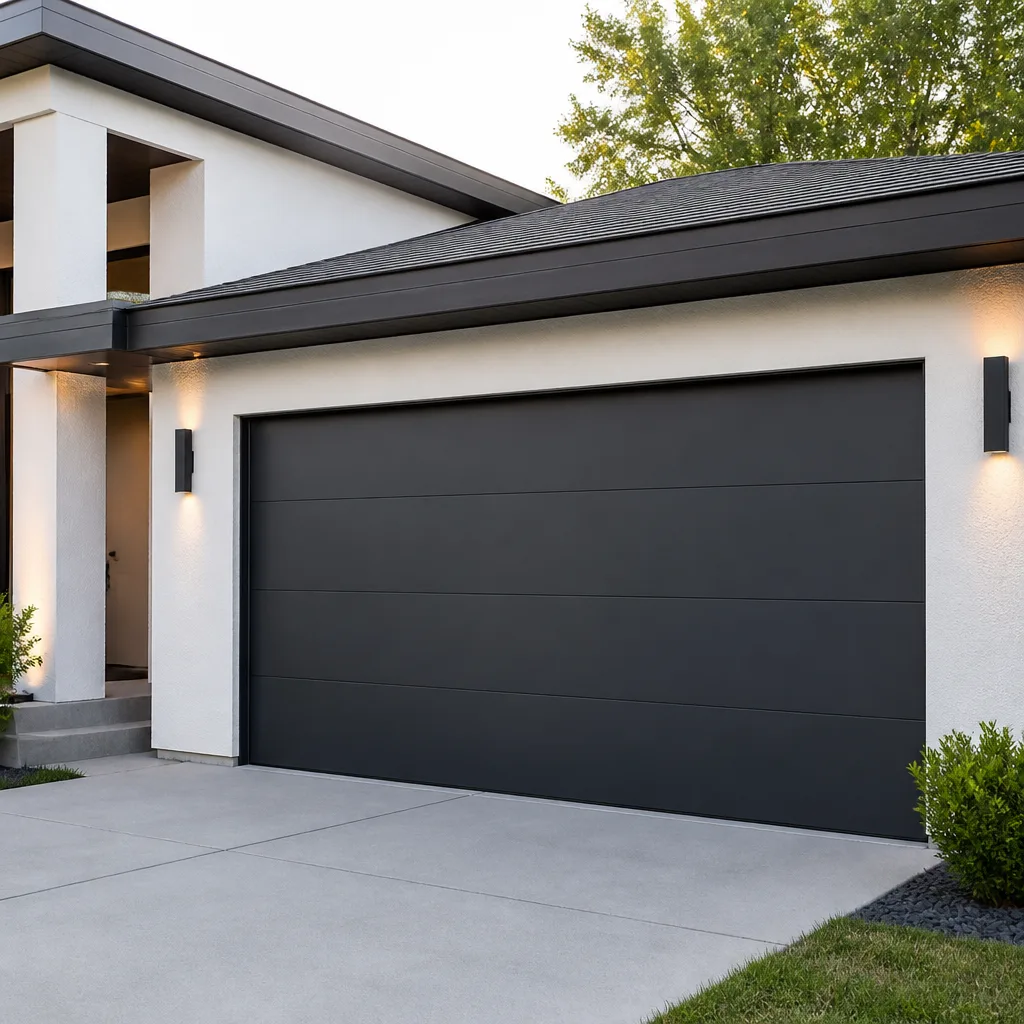 Modern flush
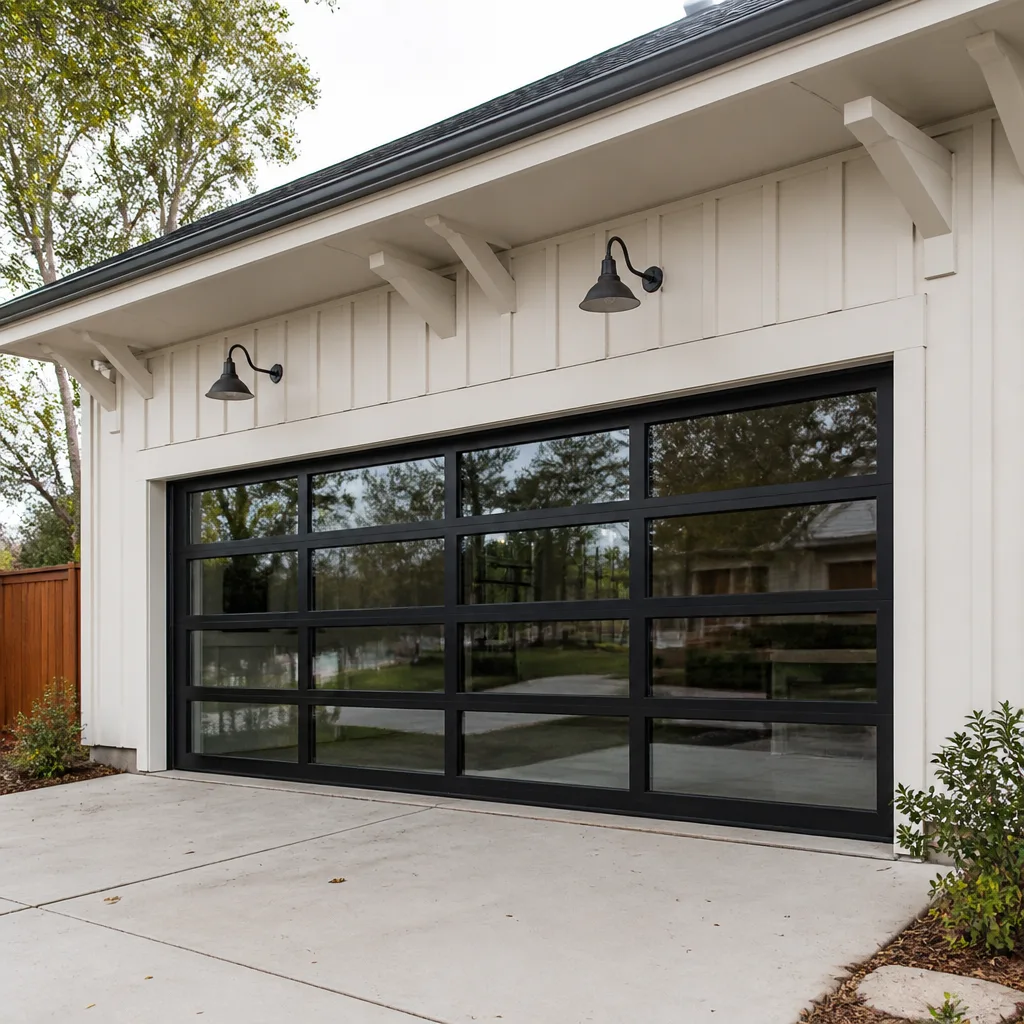 Full-view glass
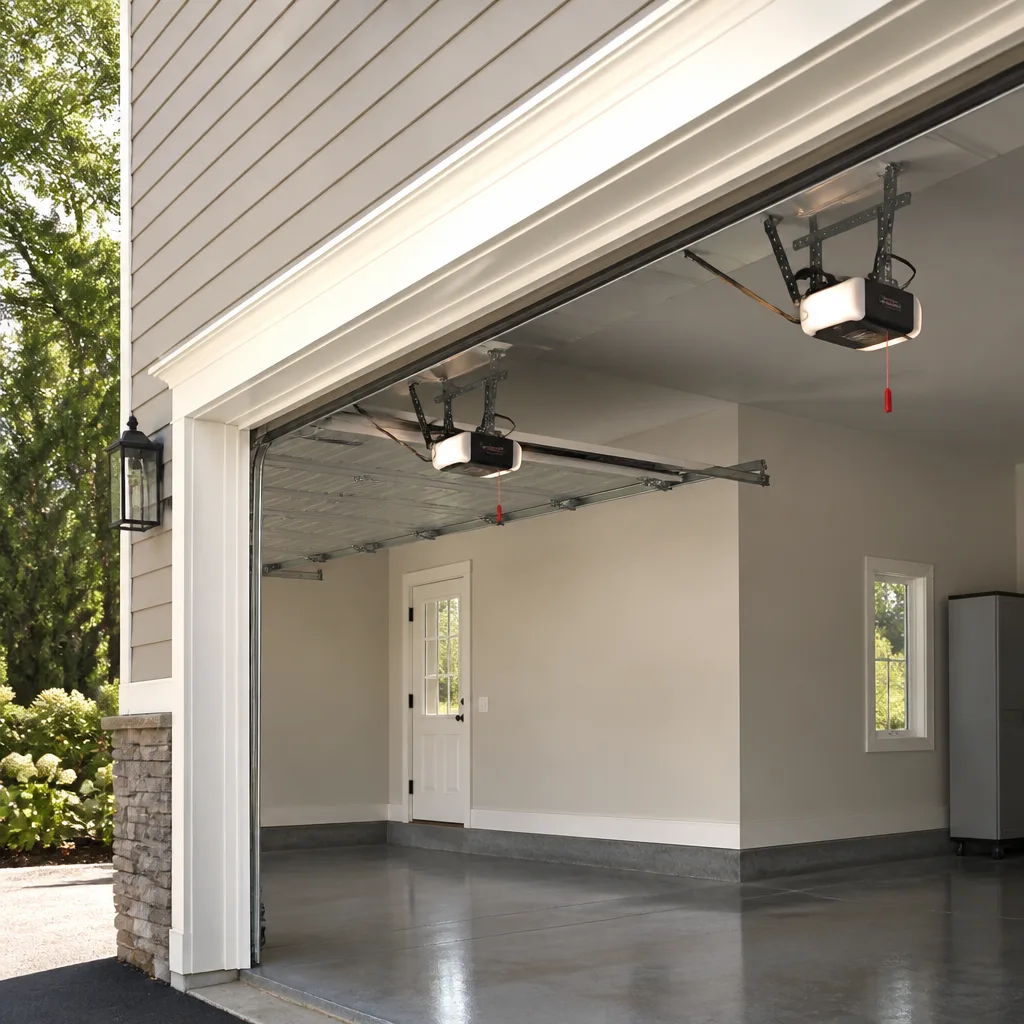 LiftMaster openers
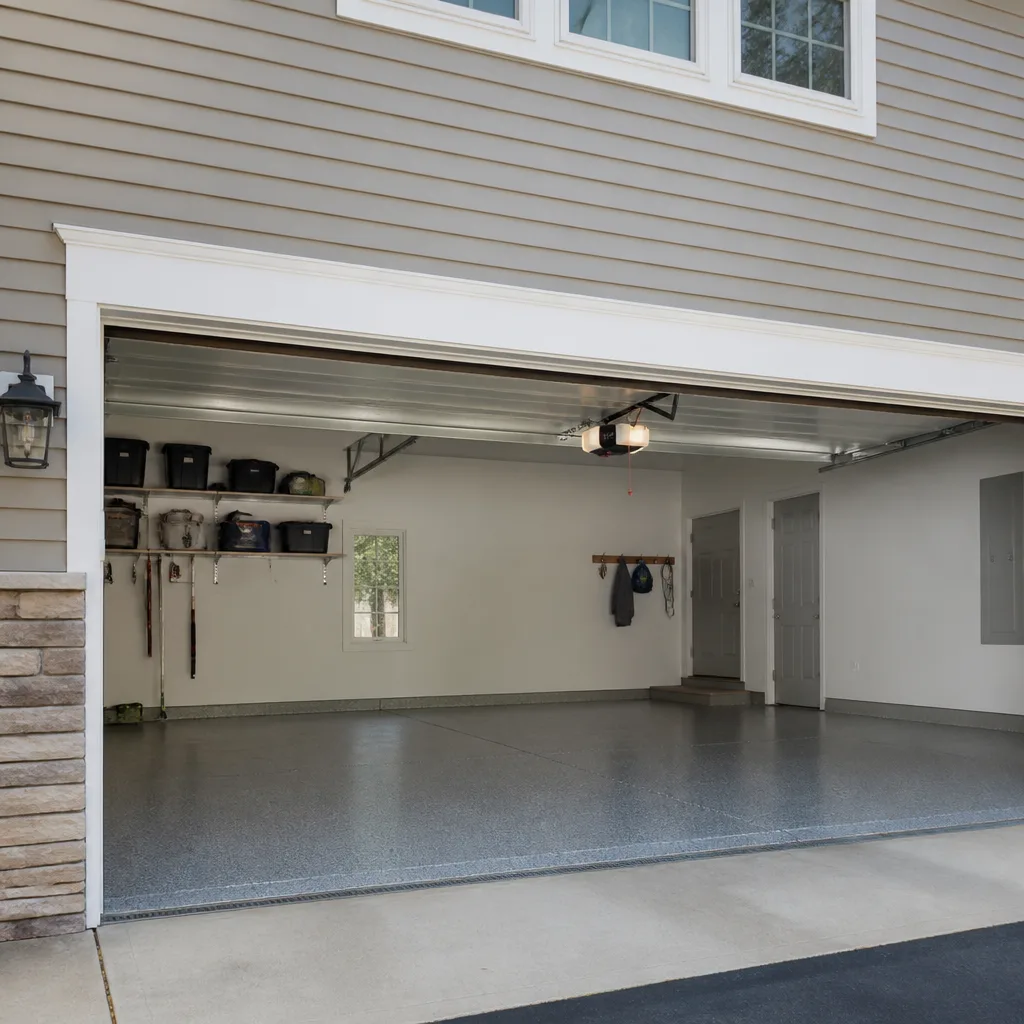 Chamberlain openers
Full 25-point door and opener safety check with every visit - springs, cables, rollers, tracks, and your LiftMaster or Chamberlain opener included
You get a price before we start. It does not change when the pro arrives.
Get your free estimateGarage Door Warning Signs: A Hialeah Homeowner’s Reference Guide
A grinding noise and a popping noise point to completely different components. That distinction matters more than any general advice you’ll read about garage door maintenance, because “it sounds weird” is the least useful thing you can tell a repair technician when you call. A grinder is usually metal-on-metal wear. A pop is often a spring releasing tension. One is a slow-fade problem. The other can put a door down hard. This guide maps the specific sounds, visual cues, and performance changes that point to specific failing parts, so when you call about a door in Hialeah, you can describe what’s actually happening. You’ll also learn which signs are cosmetic, which are safety issues, and how the local climate speeds up certain kinds of wear.
Quick Answer
The most reliable garage door warning signs are unusual noises tied to a specific part of the door’s travel, visible rust or fraying on springs and cables, a door that reverses without touching anything, and a door that drifts or moves unevenly instead of running smooth and level. Any one of these is a reason to stop using the door and get it looked at. Noises that change, safety sensors that trip on their own, and springs that show rust streaking on the floor below them are the signs we treat as urgent.
Styles & brands we work with
- Raised-panel steel
- Carriage house
- Modern flush
- Full-view glass
- LiftMaster openers
- Chamberlain openers
Table of Contents
- The Noise Decoder: What Each Sound Actually Means
- Spring and Cable Wear You Can See Before Failure
- Opener Failure or Door Problem? How to Tell Them Apart
- Door Drift and Unexpected Reversal: A Safety Issue, Not a Quirk
- How Hialeah’s Climate Accelerates Certain Kinds of Wear
- A Visual Walk-Around Checklist You Can Do Yourself
- Why Brand Matters: Diagnosing by Behavior, Not Guesswork
- When a Warning Sign Means Repair and When It Means Replacement
The Noise Decoder: What Each Sound Actually Means
Sound is the fastest diagnostic tool a homeowner has, if you can describe it precisely. A garage door has four moving systems that produce distinct sounds when they wear: the torsion or extension springs, the rollers and hinges, the opener’s drive mechanism, and the tracks. Each one fails with its own signature. Getting the signature right on the phone shortens the diagnostic visit, which is exactly why we ask homeowners to listen before they call.
Here’s how we map the common sounds to components:
- Grinding or scraping as the door rises: Worn rollers or a dry hinge line. The metal rollers ride on a metal track, and once the bearing surface wears out, you hear the grind rather than a smooth roll. Lubrication helps briefly, but grinding that returns usually means a roller or hinge has reached the end of its life.
- A loud pop or bang, often followed by the door not opening: A torsion spring breaking. This is the sound of stored tension releasing all at once. Stop using the door.
- Rhythmic clicking or clanking: A loose chain or belt in the opener’s drive, or a roller with a flat spot hitting the track in a repeating pattern. The rhythm tells you which: clicks that match the chain’s speed point to the opener, clicks that match the door’s travel point to the rollers.
- A high whine or hum with no movement: Opener motor spinning but the door not moving. That’s usually a stripped gear, a broken drive coupler, or a stripped sprocket. The motor is fine; the connection to the door isn’t.
- Rattling over one specific section of track: A loose track bracket or a bent section. The noise happens in the same place every time the door passes it.
- Squealing that gets worse in dry weather: Dry rollers or a dry torsion shaft. This one responds well to proper lubrication, which is why we don’t treat it as a red flag on its own.
The useful thing about this list is that you don’t need to know what’s wrong. You need to be able to say “it grinds when it opens” or “it popped and now it won’t move” so the technician arrives with the right parts and the right expectations. In a place like Hialeah, where the humidity keeps metal components sweating through much of the year, dryness is rarely the cause of a squeal. Rust on the bearing surfaces usually is.
Spring and Cable Wear You Can See Before Failure
Springs and cables give you warning signs before they break, and most homeowners walk right past them. A torsion spring sits above the door on a metal shaft. Extension springs run along the side tracks in older setups. Cables run from the bottom corners of the door up to the drums or springs, and they carry the door’s weight along with the springs. When any of these are about to fail, they leave evidence.
Here’s what to look for, in plain terms:
- Rust streaking on the floor below the spring: That orange-brown line under the spring, on the concrete or on the door panel, means the spring has started to corrode and is shedding rust flakes. A spring in this condition can still lift the door, which is exactly why it’s easy to ignore. It’s a warning, not a guarantee that it will fail tomorrow, but a rusty spring is a spring on its way out.
- Visible gaps or a coil that has shifted: Springs are wound tight. A gap between coils, or a coil sitting at an odd angle, is a sign the spring has lost tension or is about to break.
- Fraying or kinked cables: Cables should be smooth and taut. Frayed strands, a kink, or a cable that has jumped out of its drum groove are all serious. A snapped cable can send a door down unevenly.
- Dark residue on the cable or drum: A black smear near the drum can mean the cable is wearing against metal. It’s often the early sign of a cable on the way to failure.
We want to be clear about one thing: springs are stored energy, and a torsion spring under tension can cause serious injury if you try to work on it. Your best move when you see these signs is to stop using the door, keep the kids and pets clear, and have a trained technician look at it. That’s not a line to protect us. It’s the safety reality of how a torsion system works. A spring that’s about to break doesn’t announce it a second time before it goes.
Opener Failure or Door Problem? How to Tell Them Apart
From the driver’s seat, a motor that has failed and a door with a mechanical bind can look identical: you press the button and nothing useful happens. The distinction matters, because one is an opener job and the other is a door job, and the fix is different in each case. We diagnose this every week here, and the tell is usually in what the opener does when you listen.
Work through this in order:
- Press the wall button and listen. If you hear the motor running but the door doesn’t move, the opener is trying to work and the door isn’t following. That points to the drive (gear, chain, belt) or to the door itself (spring, roller, track bind). If you hear nothing at all, the opener has lost power or a control board has failed.
- Try the manual release. Every opener has a pull cord that disconnects the door from the drive. Pull it and lift the door by hand. If the door is hard to lift or won’t stay up halfway, the door’s mechanical system is the problem and the opener is fine. If the door lifts smoothly by hand but the opener won’t move it, the opener is the problem.
- Check the safety sensors. If the door starts down and reverses immediately, or won’t move at all when you press the button, the sensors at the bottom of the tracks are the first thing to check. A misaligned or dirty sensor stops a modern LiftMaster or Chamberlain system cold. That’s a safety feature working exactly as designed.
- Check the wall control’s lock feature. If the button produces a click and nothing else, a lock function may be holding the door off. That’s a setting, not a failure.
Step two is the one most people skip, and it’s the one that saves the most money. It tells you at a glance whether you’re calling about a door or an opener.
Door Drift and Unexpected Reversal: A Safety Issue, Not a Quirk
A door that drifts to one side as it rises, reverses without being told to, or stops partway and won’t finish the cycle is not a door with “a personality.” That door has a real problem, and the safety implications are the reason we treat drift and reversal as urgent. A garage door weighs hundreds of pounds. When the balance is off, the opener, the springs, and the tracks are all pulling against a weight they weren’t designed to hold.
Drift in one direction usually means the springs on one side have lost tension relative to the other, or a cable is not paying out evenly. Reversal without an obstruction means a sensor misread, a bad limit setting, or a binding track telling the opener the door has hit something. If you’ve already followed the step-by-step above and the door still reverses on its own, the next step is having a technician inspect it. Keep people and pets clear of the door’s path in the meantime.
There’s an easy way to think about it: a properly balanced garage door should hold its position when you stop lifting it partway. If it slides down, or rides up faster than you push, the spring balance is off. That’s a warning sign that should get attention before it becomes a failure. A balanced door in Hialeah is one you can’t tell is heavy; an unbalanced one is a door you have to fight.
How Hialeah’s Climate Accelerates Certain Kinds of Wear
Garage door hardware does not age the same way in Hialeah as it does in drier, cooler parts of Florida, and the difference shows in the metals. The long warm and humid stretch means metal components sit in moisture-heavy air for most of the year. Steel springs, hinges, and the fasteners on a Clopay panel or an Amarr frame oxidize faster here than they would in a drier climate. You’ll see rust streaks on the floor beneath a spring and dark residue around the hinge line sooner than you would inland.
Wind and rain intrusion matter as well. During hurricane season, wind-driven rain can push past the door’s bottom seal and sit against the floor trim. Repeated wetting shortens the life of the bottom weather seal and pushes moisture into the fasteners on the door’s lower panels. We notice this most in the older homes around Hialeah where the door is set back under a carport and rain gets in around the edges. A bottom seal that’s cracked, torn, or sitting away from the floor is a sign that water is getting where it shouldn’t, and that’s a sign worth acting on before the panel or the track starts to show rust pitting.
Track alignment is another mild-climate issue. Cold-climate doors expand and contract with the seasons; in Hialeah, the opposite happens. A door that was set correctly in a wet month can sit slightly tight in a drier stretch. The tell is a door that runs mostly smooth but binds in one spot, often near the bottom during the dry part of the year. If your door only grinds in certain months, that’s usually the reason. It’s a small adjustment, not a major repair, and it’s worth doing before the bind starts to wear the rollers unevenly.
A Visual Walk-Around Checklist You Can Do Yourself
You don’t need tools to do the most useful inspection. Set aside ten minutes, open the door, and look at each stage of the system. Here’s the order that catches the most problems, drawn from how our technicians walk through a door system on a first visit.
- Look at the springs. Rust streaks, gaps between coils, or a visibly shifted coil. Note the reflection: a spring that has shiny metal visible where it shouldn’t is a spring that has started to unwind.
- Follow the cables. Look at both sides of the door. Taut, smooth cables are good. Fraying, kinks, or a cable not seated in its drum groove are problems. Do not try to reseat a cable yourself.
- Check the rollers and hinges. Look at every roller where it sits in the hinge. A worn roller will look grimy and show a flat spot. A hinge with rust flaking off is a hinge that needs replacing or lubricating. This is where a lot of the grinding noise comes from.
- Look for cracks in the panels. Hairline cracks, especially in the bottom panels, allow water into the door’s core. A Clopay steel door is designed to keep water out, and a crack in the panel is a hole in the armor.
- Check the weather seal along the bottom. Push on it. If it’s stiff, torn, or has pulled away from the door, it’s no longer doing its job.
- Check the door’s balance by hand. With the door disconnected from the opener, lift it halfway and let go. It should stay. If it drifts, the springs need attention.
- Watch the door’s travel. Run it through a full cycle and watch both corners. Both sides should reach the floor at about the same time. One side reaching first is drift and a signal that the balance is off.
One caution: everything on that list is observation, not repair. Do not reach into a spring or cable assembly, and don’t try to tighten or loosen a torsion spring yourself. The visual inspection gives you information to share when you call.
Why Brand Matters: Diagnosing by Behavior, Not Guesswork
Openers from different manufacturers fail in different ways, and knowing that shortens diagnosis. A Genie opener, for example, tends to show a specific pattern of symptom when its drive gear fails compared to a Chamberlain unit. LiftMaster’s logic boards and sensor behavior are distinctive, and a technician who works on those systems every week knows what to check first based on what the door does. On the door side, panel construction and hinge placement on a Clopay or Amarr door affect how wear shows up and which parts need replacing. That knowledge comes from doing this every day on this specific equipment, not from general repair experience.
This is why we ask what brand your opener and door are before we schedule. It’s not a sales question. It’s the reason we can show up with the right parts for a LiftMaster logic board or a Genie drive gear rather than making a diagnostic trip and a second visit for parts.
A few other reasons brand awareness matters on a warning-sign inspection:
- Chain versus belt drive changes the noise profile you should hear during a normal cycle.
- Smart-home and connected openers (LiftMaster myQ and Chamberlain units among them) can show sensor faults through their status indicators before the door itself shows a problem.
- Panel material and construction affect how corrosion and cracking appear on the door itself, which changes what “normal wear” looks like.
If you don’t know the brand, that’s fine; a photo of the label on the opener’s back panel tells us everything we need. If you want to browse what we cover, our Rutherford Garage Door Repair page lays out the full range.
When a Warning Sign Means Repair and When It Means Replacement
Most warning signs mean repair, not replacement, and we’d rather fix a door than sell you a new one. A grinding roller, a worn hinge, a failing sensor, a broken spring, a frayed cable, a misadjusted track: all of these are repairable on the door or the opener you have. A door that’s structurally sound, opens and closes smoothly with the right parts replaced, and keeps water out of the house is a door worth keeping.
The signs that point toward replacement are more specific:
- Multiple panels are cracked or rust-pitted, especially low panels that are absorbing water intrusion.
- The door’s lift and balance can’t be restored even after the springs and cables are serviced correctly, which often means the door’s frame or panel weight distribution has changed.
- The opener’s control board has failed and the door itself is at the end of its practical life, so replacing both at once makes more sense than replacing them separately.
- Safety features are missing entirely from an older door or opener that can’t be brought up to a modern standard with parts alone.
Our position is simple: repair first. Replace only when repair no longer makes sense. That protects you from an unnecessary bill, and it protects the door’s value when it’s still sound. If you’re not sure which side of the line you’re on, an honest diagnosis on the garage door repair side of the house usually settles it in one visit.
Common Mistakes to Avoid
- Ignoring a soft pop that only happens once. A single pop that doesn’t repeat is easy to write off. If that pop came from the spring area and the door moved differently after it, the failure already happened. Stop using the door and have it checked.
- Trying to lubricate a grinding roller back to health. Lubrication buys time on a squeal, not on a bearing that has worn out. The grind comes back because the roller is done.
- Assuming a noisy door is normal because it’s old. Age doesn’t make grinding, clanking, or a hard-to-lift door acceptable. Those are wear signs, and they compound.
- Adjusting a torsion spring yourself. This is the single most dangerous garage door repair there is. Springs carry stored energy, and a homeowner working on them can be seriously hurt. Leave it to a trained technician.
- Disconnecting the safety sensors to make the door close. The sensors exist to catch a person or an object in the door’s path. Bypassing them removes the door’s most important safety feature. Alignment and cleaning fix the real problem.
- Calling for a replacement when the noise is coming from the opener. A failing opener gear sounds exactly like a failing door until you listen and test. Know which one you’re calling about before you call.
- Waiting on a rust streak below the spring. That streak is the spring telling you it’s on its way out. It might last another season and it might let go this week. It’s not a problem to schedule for “sometime.”
If you’ve noticed the warning signs above and want a second opinion on the diagnosis before booking any work, we’re happy to look. Our technicians have up to 9 years of experience, and every one of them has spent that time on garage doors rather than general repair, which is why a specific description from you goes straight to a specific answer.
See the difference
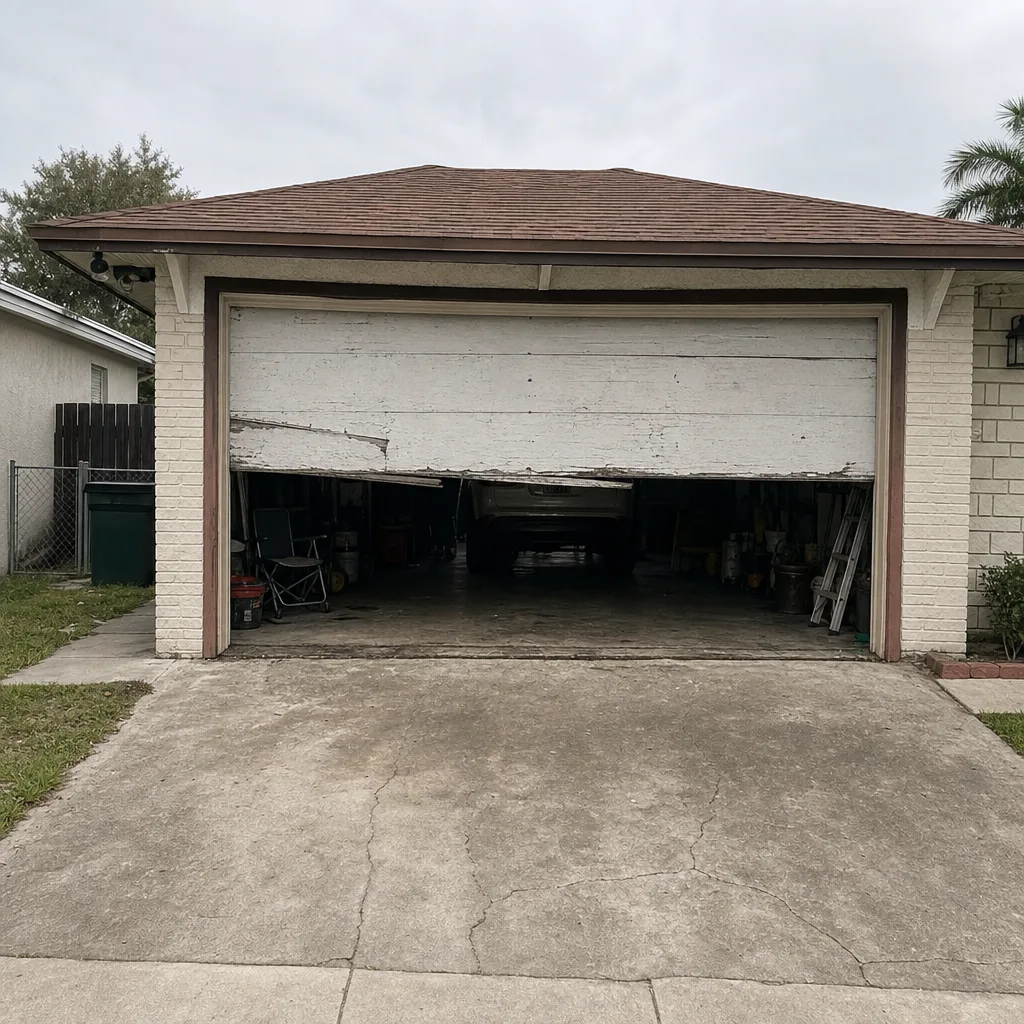 Before
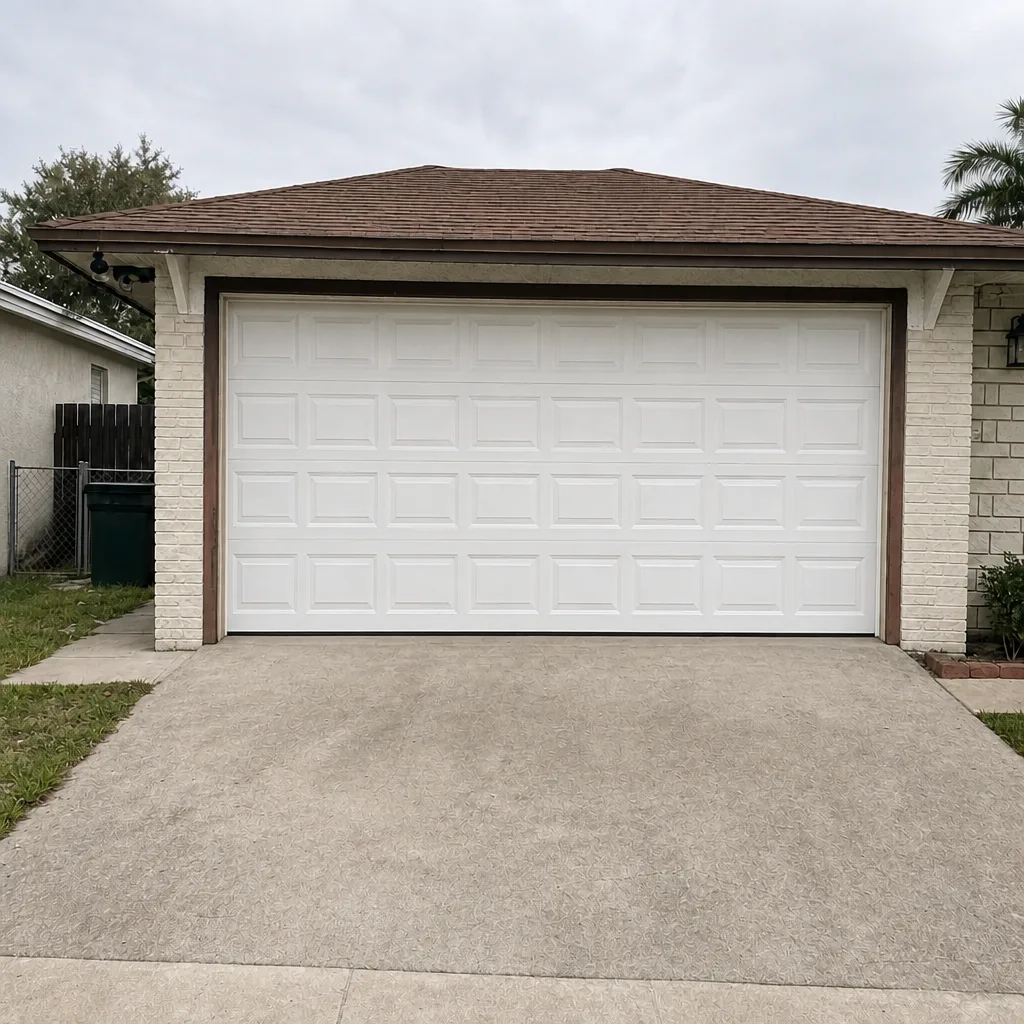 After
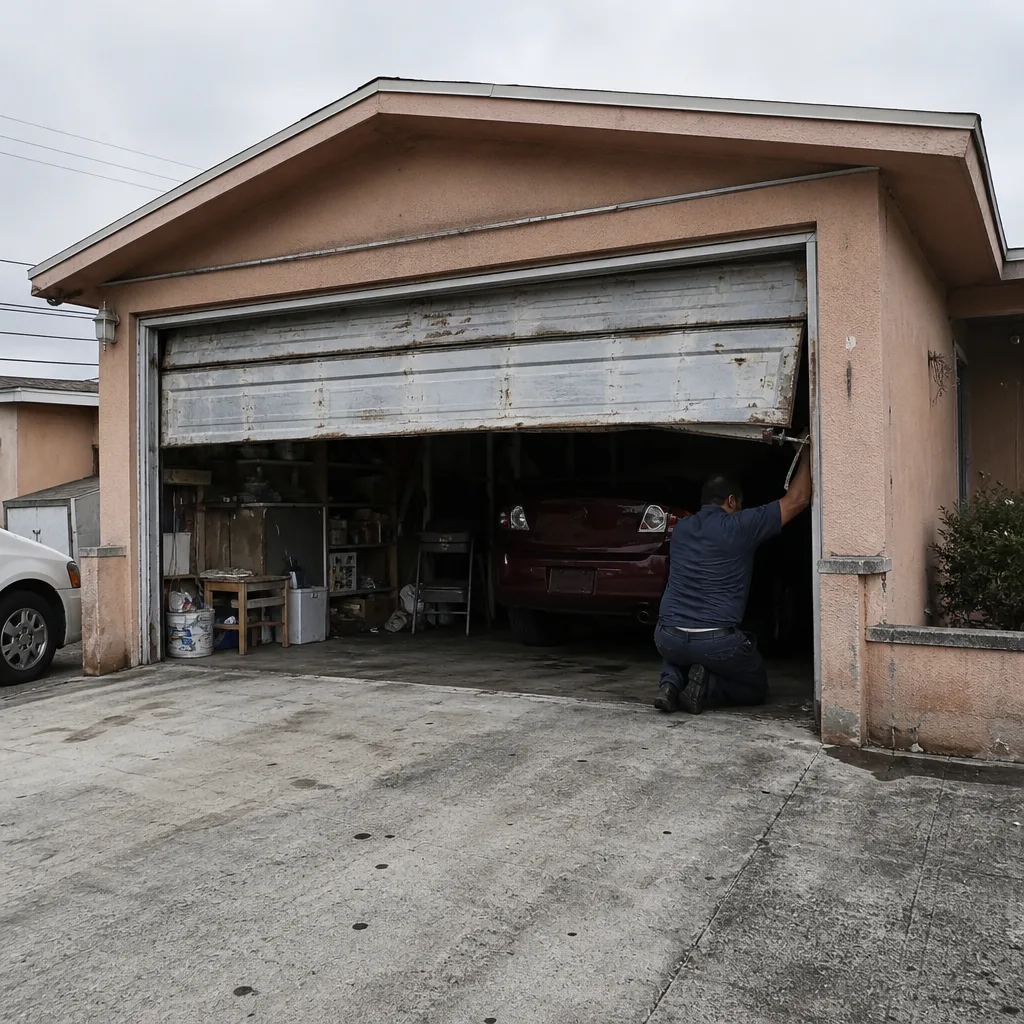 Before
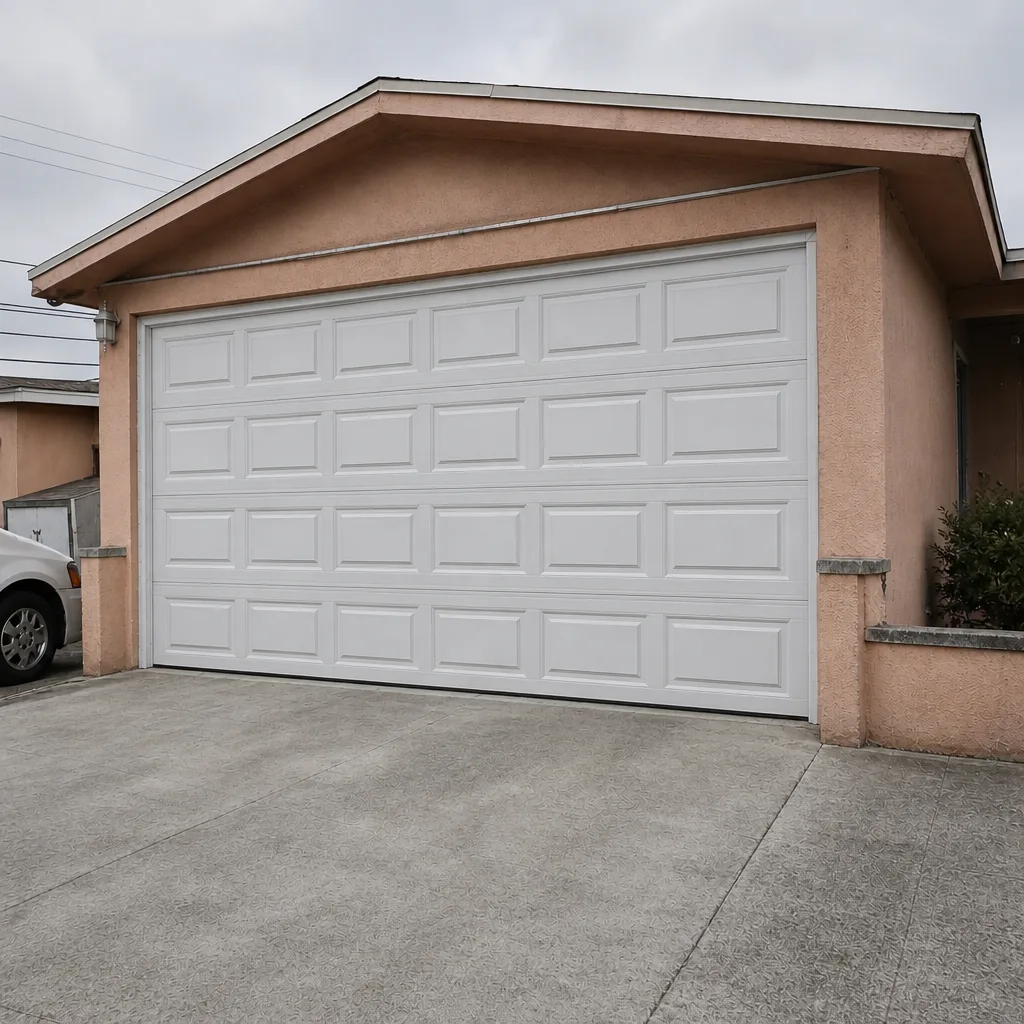 After
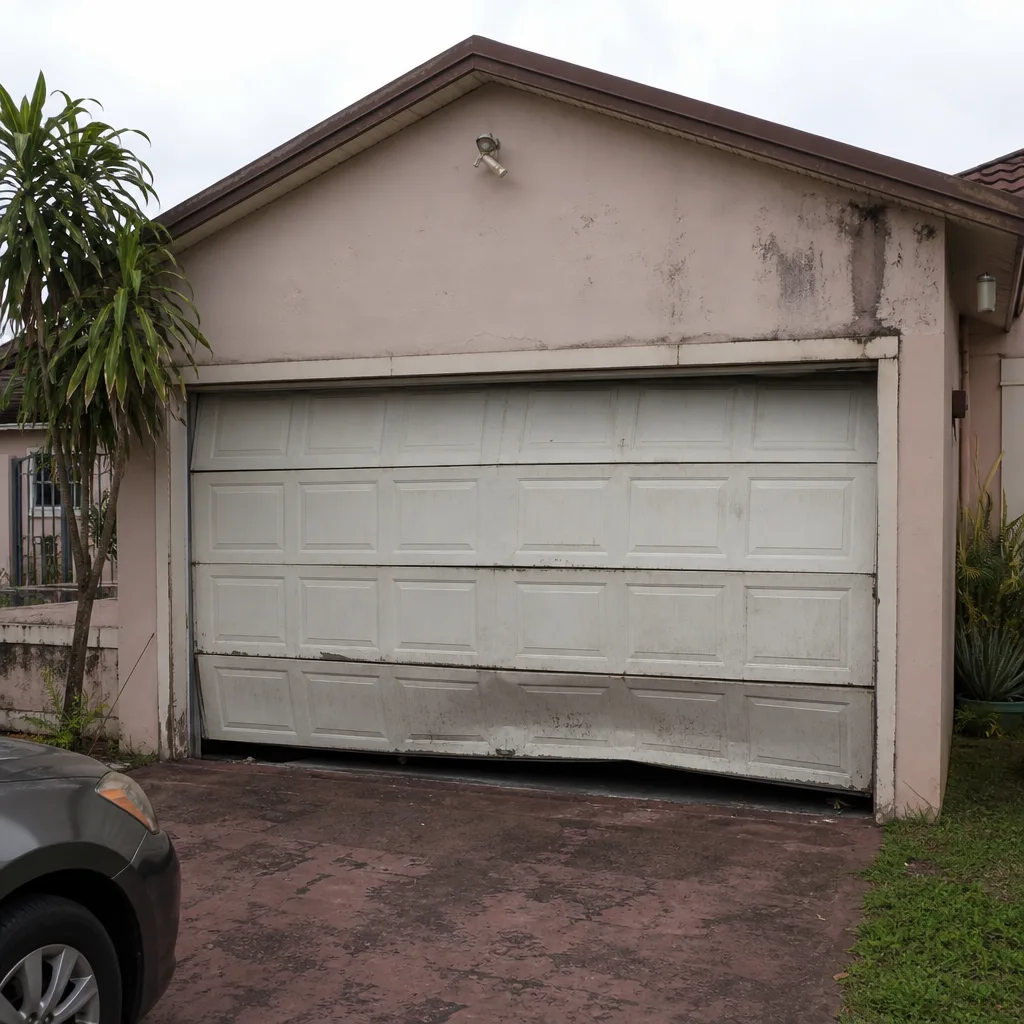 Before
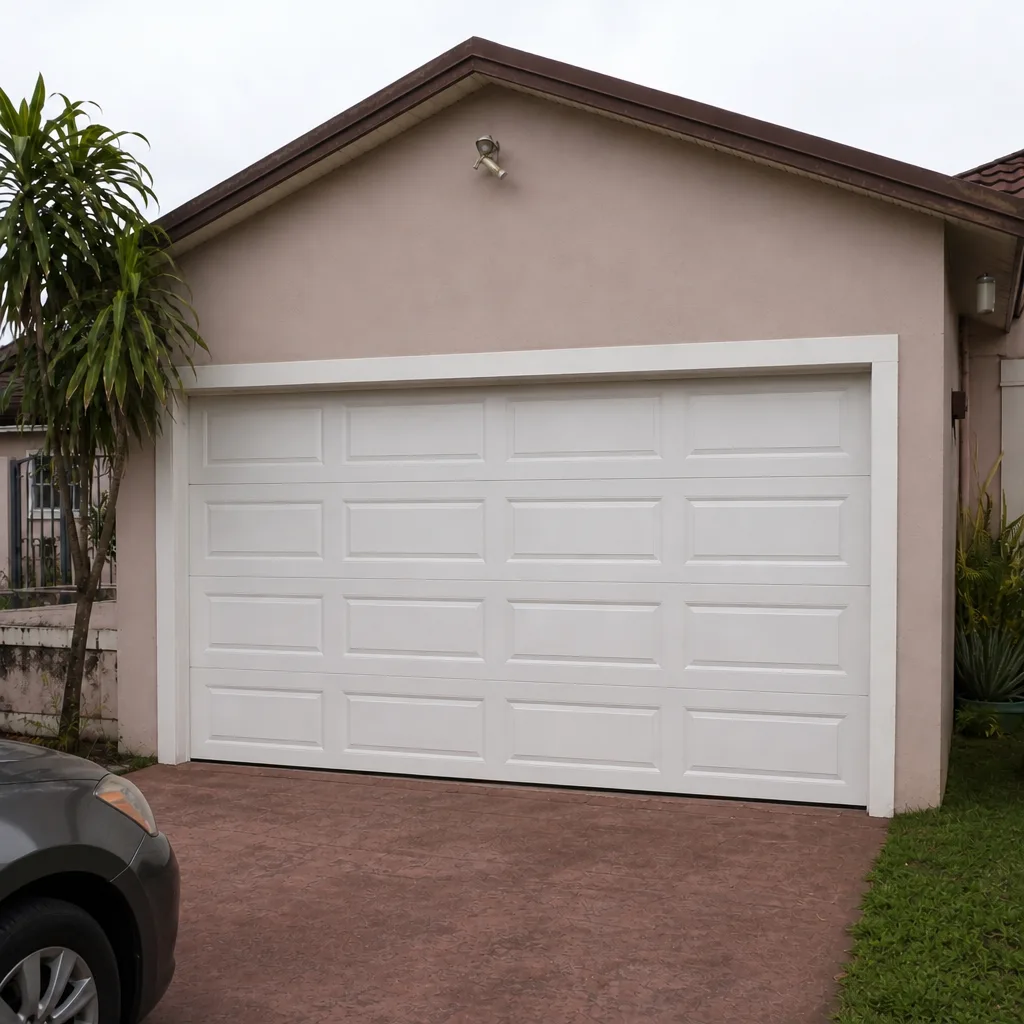 After
When to Call a Professional
Call us when any of these apply:
- The door is making a noise that has changed in the past few weeks, or a pop or bang has happened and the door no longer opens normally.
- You can see rust streaks on the floor below a spring, gaps between coils, or frays or kinks in a cable.
- The door reverses without an obstruction, drifts to one side, or won’t stay in position when you lift it partway by hand.
- You’ve lost the ability to open the door and need it working again, or you’ve already tried the basic checks and gotten nowhere.
- The door has multiple cracked or rusted panels, or the opener’s control board has failed.
We also handle garage door opener repair directly, so if the problem is on the motor side, you don’t need to call anyone else. Rutherford Garage Door Repair offers free estimates in Hialeah – call (877) 326-5883. We answer 24/7, and fast dispatch from 7am to 7pm runs Sunday through Friday. Same-day service is often available on repair calls.
Frequently Asked Questions
A grinding noise during the door’s travel is the most common sign we hear about in Hialeah, and it usually points to worn rollers or hinges rather than anything hidden. It’s the easiest warning sign to describe and one of the simplest to repair. Call (877) 326-5883 for a free estimate.
A loud pop followed by the door not opening usually does mean a broken torsion spring, but not always; a bound roller releasing can produce a similar sound. The tell is what happens after the pop: if the door won’t open or feels heavy, treat it as a spring issue and stop using the door. Call (877) 326-5883 and we’ll tell you what to check next.
Pull the manual release cord on the opener and try lifting the door by hand. If it’s hard to lift or won’t stay up, the door’s mechanical system is the problem; if it lifts smoothly but the opener won’t move it, the opener is the problem. Either way, call (877) 326-5883 for a free estimate, and one call covers both.
Hialeah’s warmth and humidity keep metal components in moisture-heavy air through most of the year, which speeds up oxidation on springs, hinges, and fasteners. That’s why a rust streak on the floor below a spring or dark residue around the hinge line is worth acting on here sooner than it might be inland. Call (877) 326-5883 if you’re seeing rust on your hardware.
No. We quote the price and agree it with you before any work starts, so the written estimate sets the final price. If the diagnosis reveals something that changes the scope, we talk it through with you first and agree on a new price before anything proceeds. Call (877) 326-5883 for a free estimate.
Yes, most repair calls can be handled the same day when you call us during dispatch hours. We answer 24/7, and fast dispatch from 7am to 7pm runs Sunday through Friday. Call (877) 326-5883 for a free estimate, and we’ll give you the next opening.
The Bottom Line
The useful version of a garage door warning sign is specific: a particular sound, a particular visual cue, a particular change in how the door moves. A grinding roller is a repair. A pop with no lift is a stop-and-call. A rust streak under a spring is a timer. A door that drifts or reverses is a safety problem, not a personality trait. A precise description of what your door is doing lets a specialist diagnose by brand behavior and get you the right fix faster. If you’ve spotted any of these signs on a door in Hialeah, don’t wait for the next one. Call (877) 326-5883 for a free estimate. We answer 24/7, and fast dispatch from 7am to 7pm runs Sunday through Friday. Same-day service is available on most repair calls, and the price is always quoted and agreed before any work starts.
For a closer look at the neighborhoods we cover and the work we do, our Hialeah location page has the details, and if you want to browse the full range of services, start at the top.
Written by the team at Rutherford Garage Door Repair.