
Last updated November 15, 2026
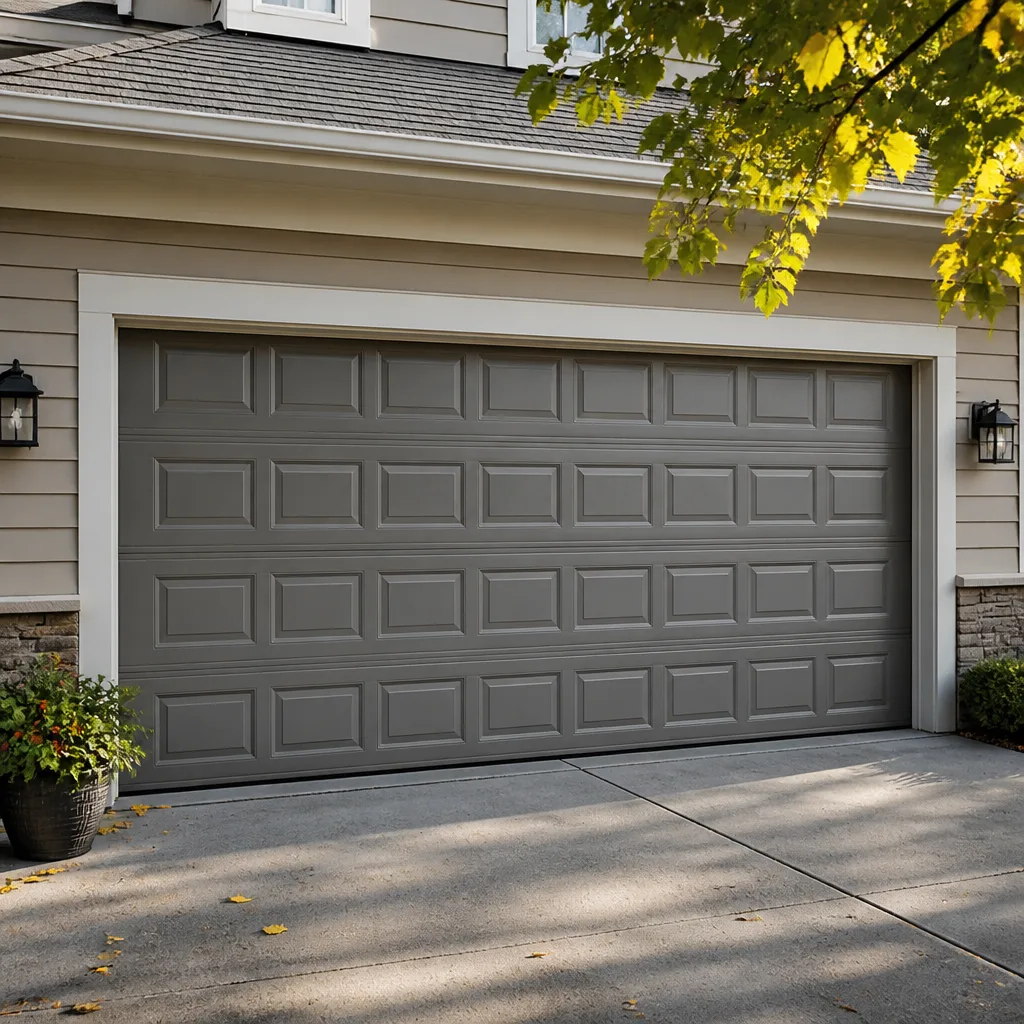 Raised-panel steel
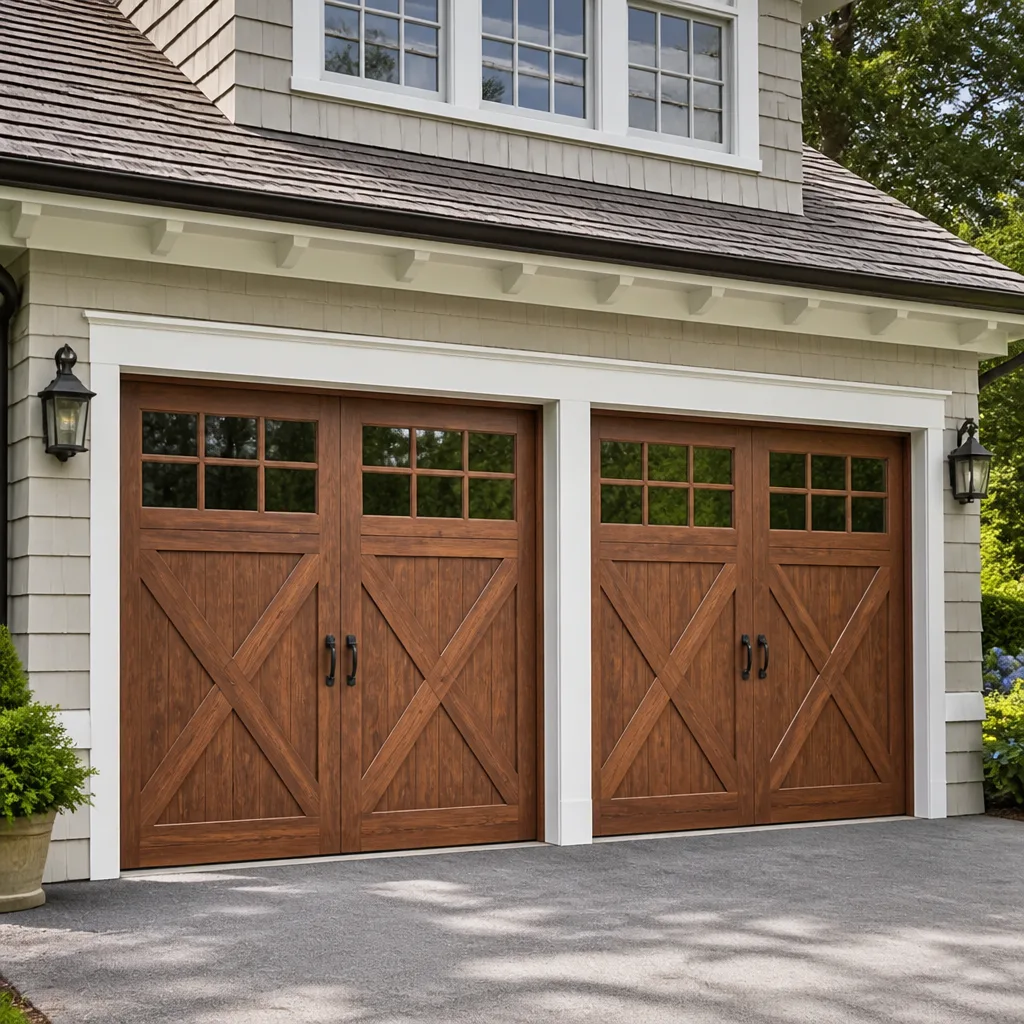 Carriage house
 Modern flush
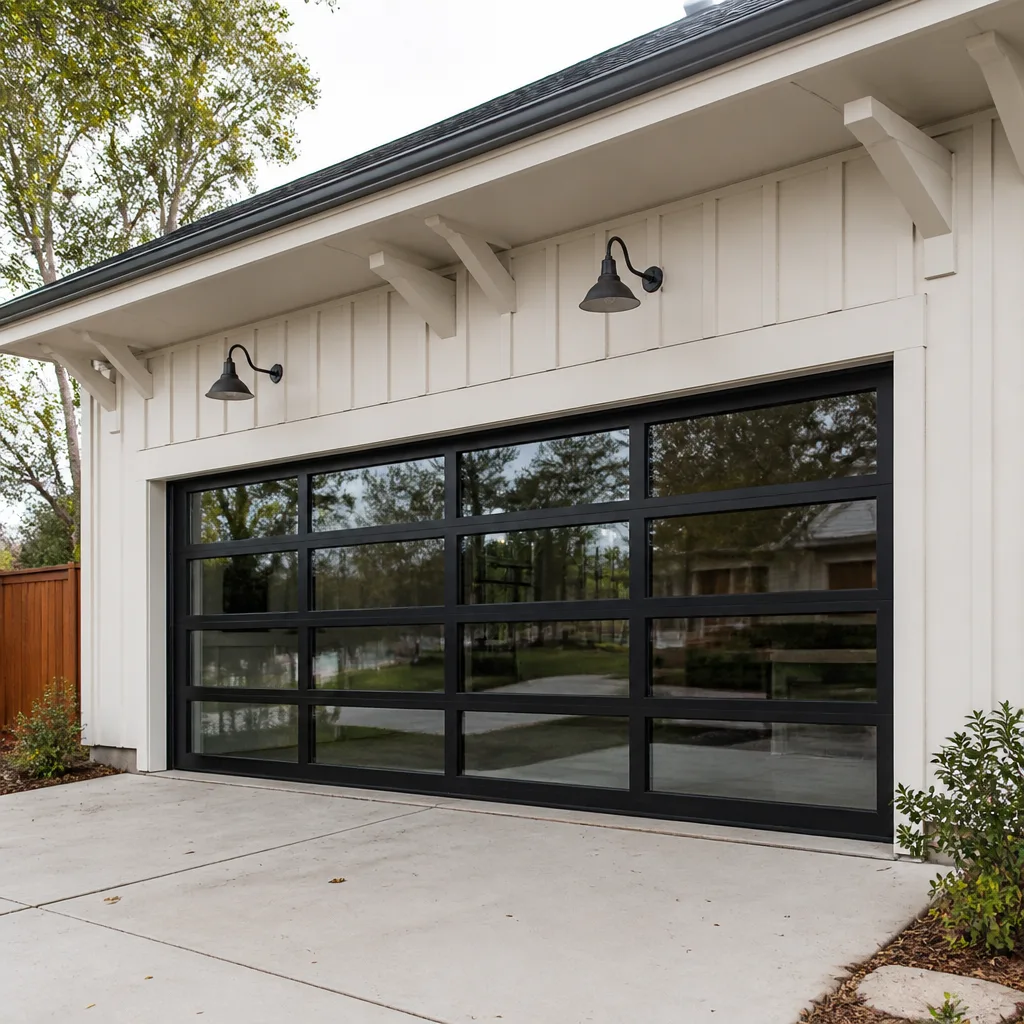 Full-view glass
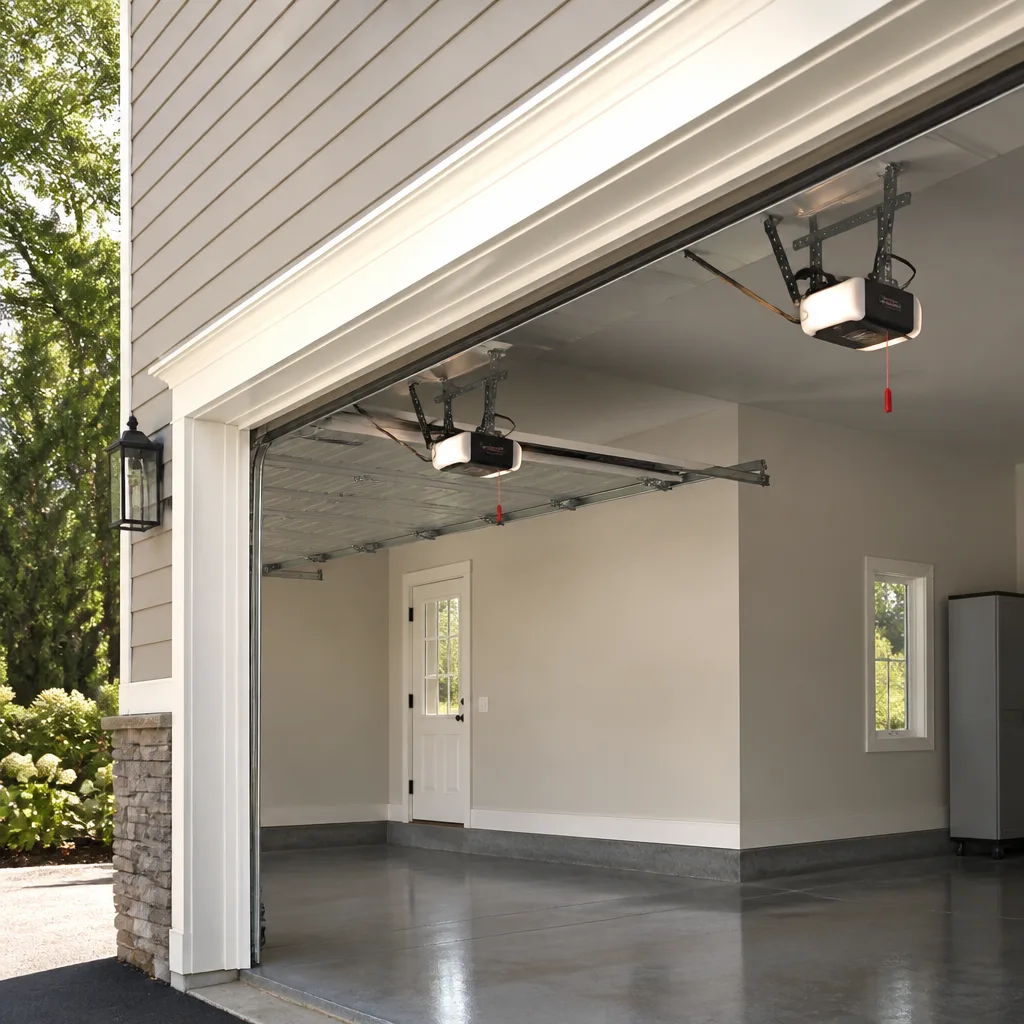 LiftMaster openers
 Chamberlain openers
Full 25-point door and opener safety check with every visit - springs, cables, rollers, tracks, and your LiftMaster or Chamberlain opener included
You get a price before we start. It does not change when the pro arrives.
Get your free estimateGarage Door Permits, Codes & Inspections in Hialeah, FL: What You Need to Know
Most homeowners assume a garage door is a private purchase that nobody outside the house ever looks at. In Hialeah, the opposite is true. Because the city sits inside Miami-Dade’s High-Velocity Hurricane Zone, a new or replaced garage door is a regulated building component, and giving that regulation no thought is the misconception we hear most often. Sometimes the gap surfaces years later, at resale or on an insurance policy, long after the installer is gone. This guide walks through when a permit is legally required, what product approval actually means, how the City of Hialeah handles the paperwork, and what inspectors look for when they arrive.
Quick Answer
In Hialeah, a full garage door replacement requires a building permit from the City of Hialeah Building Department, and the door model must carry Miami-Dade Product Approval for use in the High-Velocity Hurricane Zone. Routine repairs (springs, cables, rollers, openers, panels) almost never require a permit, though any change to the door’s structure or opening does. An unpermitted installation can block a sale, complicate a storm claim, and creates a liability that travels with the property rather than ending with the person who arranged the work.
Styles & brands we work with
- Raised-panel steel
- Carriage house
- Modern flush
- Full-view glass
- LiftMaster openers
- Chamberlain openers
Table of Contents
- When is a garage door permit required in Hialeah?
- What is Miami-Dade Product Approval (NOA) and how do you check a door?
- How the City of Hialeah permit application process works
- What rough-in and final inspections actually check
- What happens to an unpermitted installation at resale or after a storm
- Repairs versus replacement: where the line sits
- Common mistakes to avoid
- Frequently asked questions
When Is a Garage Door Permit Required in Hialeah?
A full garage door replacement requires a permit in Hialeah. A pure repair almost never does. That is the short version, and it holds for nearly every residential job we see in the city.
The line sits at the moment work changes the door, the opening, or the attachment to the structure. A technician swapping two broken torsion springs is maintaining what’s already there. A technician removing a complete door and track system and setting a new one is performing a structural installation, and that triggers the permit process. The same applies to enlarging or reducing the door opening, reframing a header, or replacing a door with a different size or rating than the one originally approved for the house.
Where it gets blurry is with partial work. Consider these cases:
- New door and track on the existing opening: permit required.
- Replacing damaged bottom sections only: usually no permit, but the replacements must match the approved configuration.
- Swapping openers (LiftMaster, Chamberlain, Genie, or any other brand): no building permit, though the opener is an electrical appliance and should be installed to its manufacturer’s instructions.
- Changing the door’s wind rating: permit required, and the new door also needs product approval for this zone.
- Adding a new garage where none existed: this is a new construction permit, a much larger process handled alongside the rest of the build.
We always recommend asking the city directly when you’re unsure. The building department would rather answer a short question up front than discover an unpermitted install later. For homeowners weighing whether their door is worth repairing at all, our garage door repair page covers what a repair typically involves.
What Is Miami-Dade Product Approval (NOA) and How Do You Check a Door?
Miami-Dade Product Approval is the county’s formal certification that a specific building product is tested and approved for use in the High-Velocity Hurricane Zone. For garage doors, that certification comes as a Notice of Acceptance, often called an NOA. Buying a door without a valid NOA for this zone means the door cannot legally be permitted as a hurricane-rated installation.
Why does this matter so much here? The High-Velocity Hurricane Zone is one of the strictest wind-borne debris regions in the country, and every product used inside it has to prove its performance rather than simply claim it. A garage door is a large opening in the building envelope, which makes it one of the more scrutinized components. Product approval is tracked at the model level, not the brand level. The fact that Clopay or Amarr is an approved manufacturer overall doesn’t mean every model in their catalog carries an NOA for this zone. The specific model, size, and wind-load design must match the approval.
You can verify approval in a few straightforward ways:
- Ask your installer for the NOA number for the exact model and size being installed.
- Look up that NOA number in Miami-Dade’s public product approval database.
- Confirm the approval covers the door size and wind-load design for your specific opening.
- Keep a copy of the NOA along with your permit documents. You’ll want them at resale, during inspections, and if you ever make a storm claim.
Because product approval is a county process rather than a city one, the door must clear a Miami-Dade standard before Hialeah can even issue the permit. Skipping that check is the most common reason a permit application gets rejected or stalls. If you’re not sure which brands we install and repair, our main page at Rutherford Garage Door Repair lays out the full scope.
How the City of Hialeah Permit Application Process Works
Permit applications for a garage door replacement in Hialeah go through the City of Hialeah Building Department. The process is straightforward when the paperwork is right, and frustrating when it isn’t. Most of the friction comes from missing product approval documentation, not from the city itself.
A typical residential garage door permit application includes:
- Completed permit application form with the property address and description of work.
- Property owner information, plus the licensed contractor’s information if a contractor is performing the work.
- Product approval documentation for the specific door model, size, and wind-load design.
- A drawing or specification sheet showing the door, track, and anchorage configuration.
- Any required fee, typically based on the declared job value.
Turnaround depends on the completeness of the submittal and current workload at the department. Straightforward residential replacements can move through fairly quickly; incomplete or mismatched submittals get sent back for correction, which adds days. We advise our Hialeah customers to plan their timeline with a realistic buffer rather than assuming a specific number of days. Ask the building department for its current processing times when you call.
Two practical notes for Hialeah households. First, residential permit work is often easier when the licensed installer handles the application and inspections, because they already have the product approval records on hand. Second, if you’re in a part of the city where the house predates certain code cycles, verify with the city whether any additional documentation is needed for the existing structure before the new door can be approved.
What Rough-In and Final Inspections Actually Check
A permitted garage door installation typically gets inspected in two stages. The rough-in inspection happens once the track and anchors are set but the work is not fully complete. The final inspection happens after installation is finished. What each inspector looks at is specific, and knowing it in advance prevents return visits.
What the rough-in inspection checks
- Anchorage into the structure: the track and header brackets are fastened into the structural members the plans call out, using the required fasteners.
- Correspondence with the approved plans: the door model, size, and configuration on site match the product approval documentation.
- Headroom and clearance: enough room exists for the door to operate and for spring and track hardware as planned.
- Label verification: the door carries the manufacturer’s identification so the inspector can confirm product approval.
What the final inspection checks
- Door operation: the door opens and closes fully and smoothly through its full travel.
- Balance: the door stays where it’s opened and doesn’t drift or slam.
- Safety reversal: the opener’s safety system reverses the door when it meets an obstruction.
- Auto-reverse testing: the opener’s safety features are verified, whether the opener is a Chamberlain, Genie, or another brand.
- Health and life-safety labeling: required warnings and labels are present and legible.
- Overall match to scope: the finished installation matches what the permit authorized.
We treat inspections as part of the job, not an obstacle. Our technicians have up to 9 years of experience across the major door and opener brands, and we know which items inspectors focus on. Because every job on our schedule is a garage door job, the details inspectors check are the same details we’re handling every day.
What Happens to an Unpermitted Installation at Resale or After a Storm
Unpermitted work is often invisible until the moment you need it most. At resale, buyers, lenders, and title companies can require proof that a garage door replacement was properly permitted and inspected. When it wasn’t, the buyer’s inspector flags it, the transaction stalls, and the seller ends up removing and replacing a perfectly good door so the closing can move forward.
The storm scenario carries a similar risk. Insurance claims depend on the work being completed to code. A door installed without the right product approval and inspection may become a battleground in a claim, which is the last thing a homeowner needs while the rest of the house is being repaired. The specific outcome depends on your policy and the claim, but the risk of complication is real and it travels with the property. This is the crux of our point: the liability from an unpermitted door doesn’t end with the homeowner who ordered it. It sits with the house, and any future buyer inherits the repair job.
Two questions worth asking before you ever sign off on an installation:
- Will the door be permitted and inspected by the City of Hialeah Building Department?
- Will I get copies of the permit, inspections, and product approval documentation at job close?
If the answer to either is “no” or “we don’t do that for garage doors,” that’s a warning sign. For Hialeah homeowners, the title and insurance paperwork are reason enough to treat the permit as part of the job. Get the documents in hand when the work finishes and keep them with the house records.
Repairs vs. Replacement: Where the Permit Line Sits
Most of the calls we take in Hialeah are for repairs, and almost none of them require a permit. Spring failures, cable breaks, bent track, opener faults, damaged sections: those are maintenance and repair, and the work can proceed without a city permit. The trouble starts when a “repair” quietly becomes a full replacement without anyone addressing the permit question.
Here’s a plain way to think about it. If the door stays on the tracks and the current doors and hardware remain part of the same system, you’re in repair territory. If the entire door comes down, the hardware comes out, and a new complete system goes in, you’re installing, and installation in this zone triggers the permit and product-approval process. A full replacement is not something to promise “same day” and rush through; it’s measured, ordered, and scheduled, and the permit should be part of that timeline.
We always start with repair and recommend replacement only when repair no longer makes sense. On the opener side, the same principle applies. Our garage door opener repair work is often a fraction of the cost of a whole opener replacement, and no permit is involved either way. Repairs protect the homeowner from a bigger, harder, more regulated project than they actually need. When you do need a new door, the paperwork becomes part of your plan for the house.
Common Mistakes to Avoid
- Buying a door that has no valid Miami-Dade product approval for this zone. A generic “hurricane-rated” label isn’t the same as an NOA. Ask for the number before the order is placed.
- Accepting a “we’ll handle it later” permit. Later rarely arrives, and unpermitted installations surface at resale or after a storm.
- Assuming the brand-level approval covers all models. Approval is model-specific for a Hialeah job, so check the exact model and size.
- Letting a small repair quietly turn into a full replacement. Ask direct questions about scope if the work suddenly expands, and confirm what permit the new scope requires.
- Filing the permit yourself and missing the product approval paperwork. The submittal is the usual bottleneck, not the fee.
- Not keeping the inspection records. Store the permit, inspections, and NOA with your home records; the next buyer will ask for them.
- Hiring a generalist who “also does garage doors.” In a zone with these requirements, a specialist familiar with the paperwork and inspection expectations will save you a round of corrections.
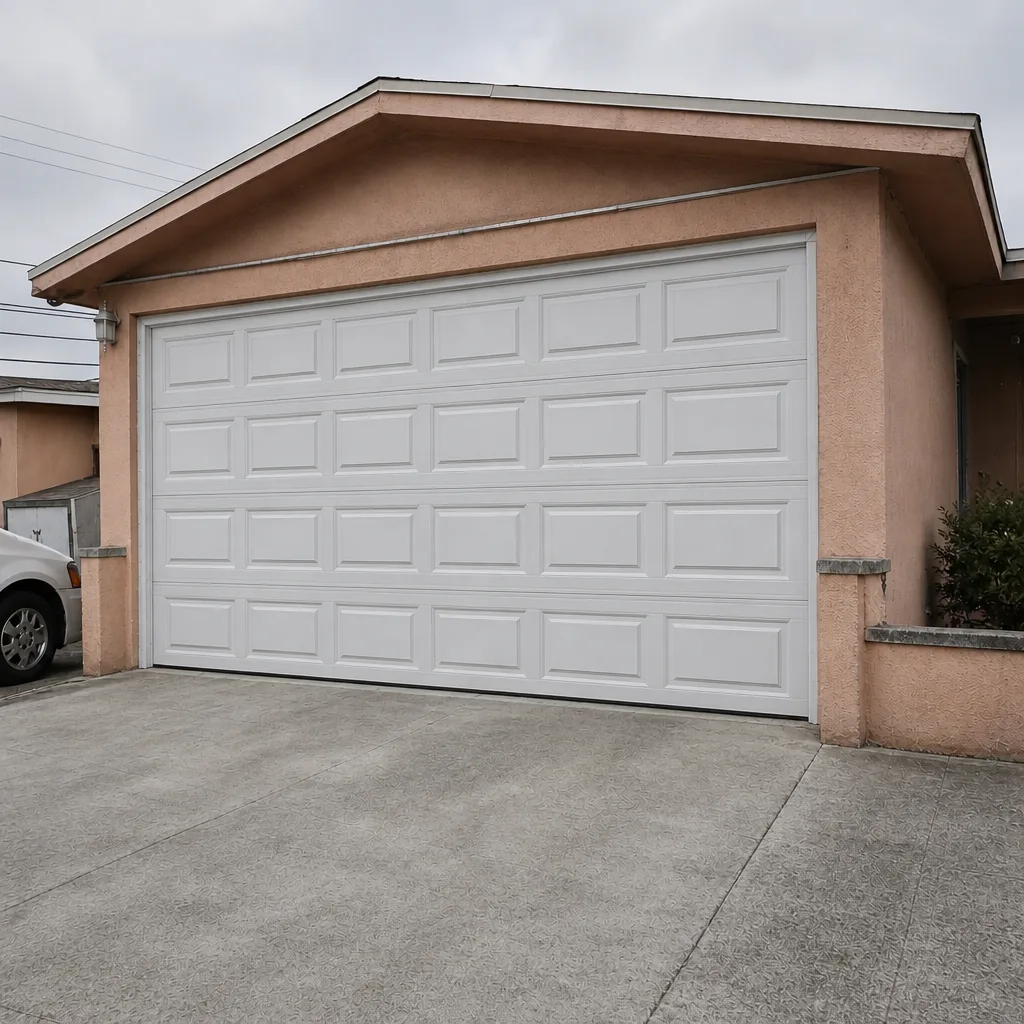
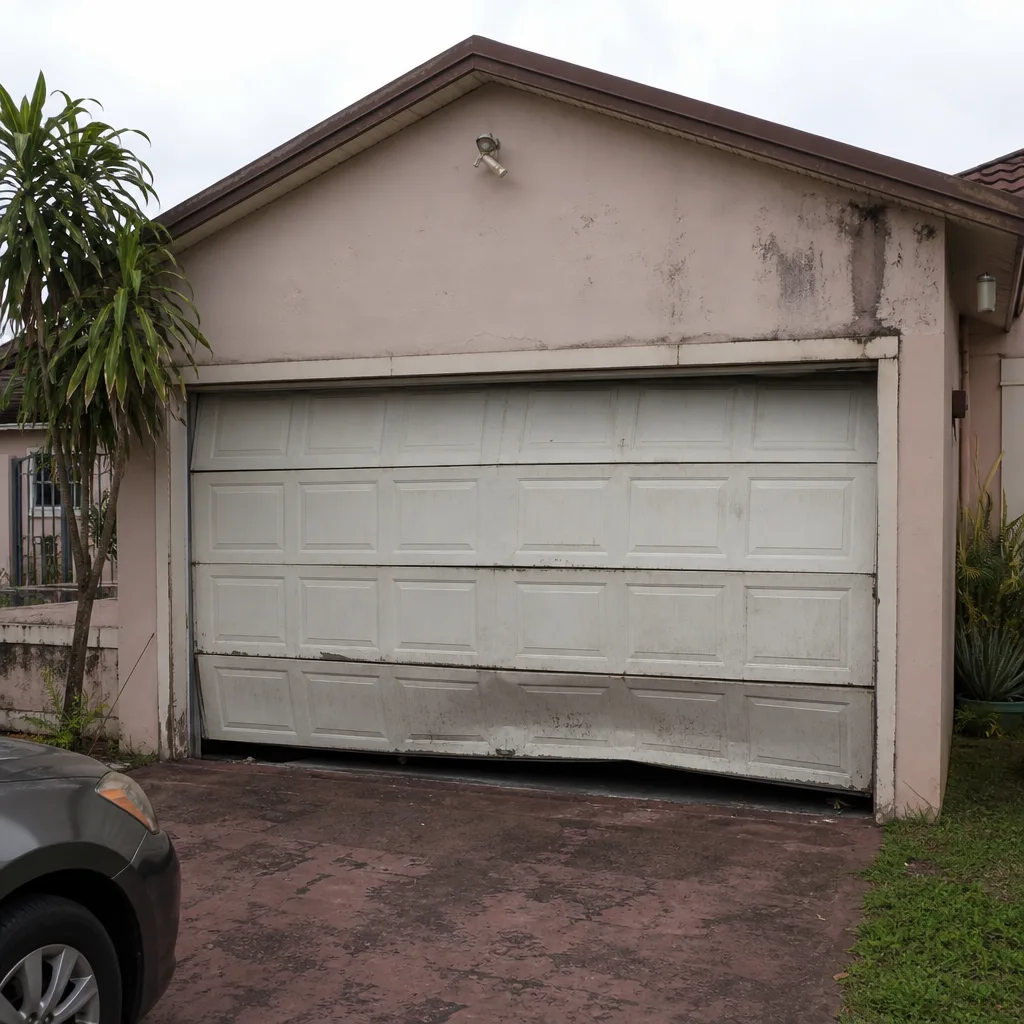
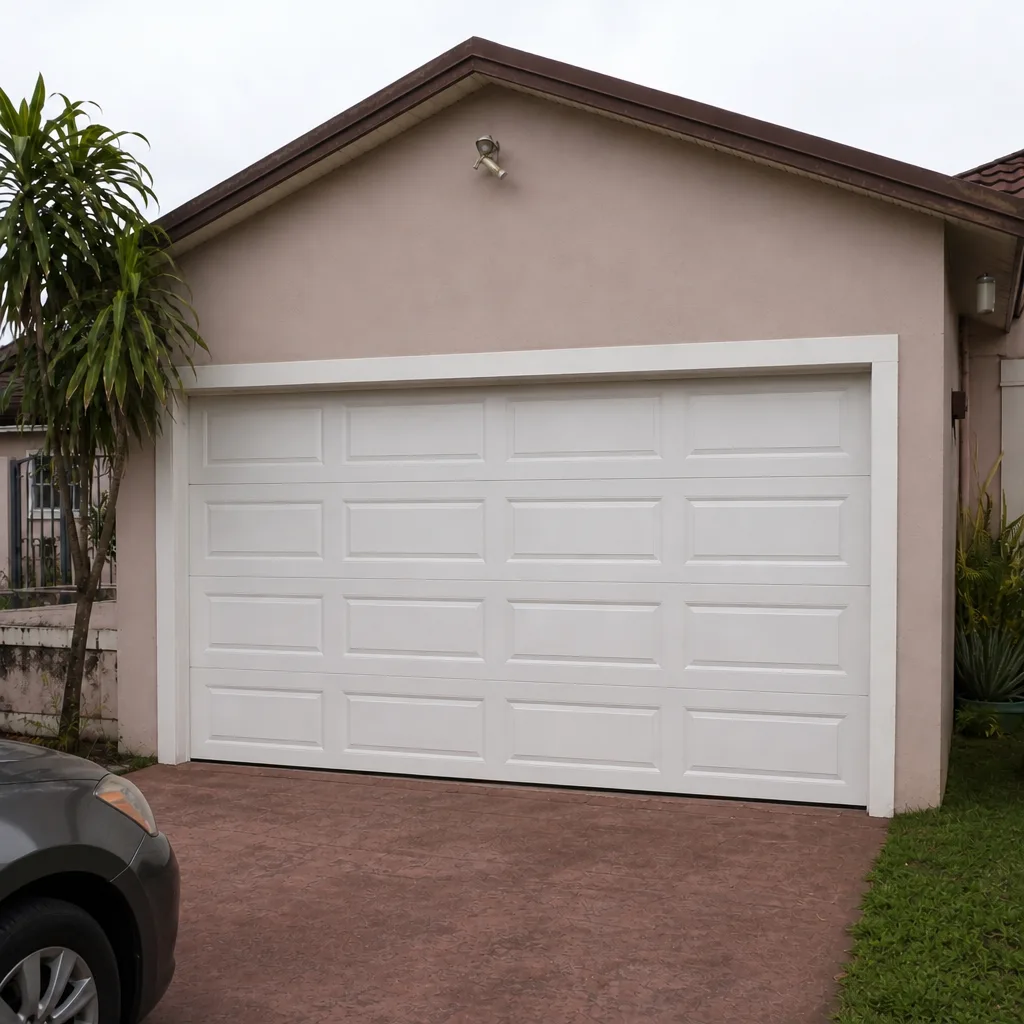
See the difference
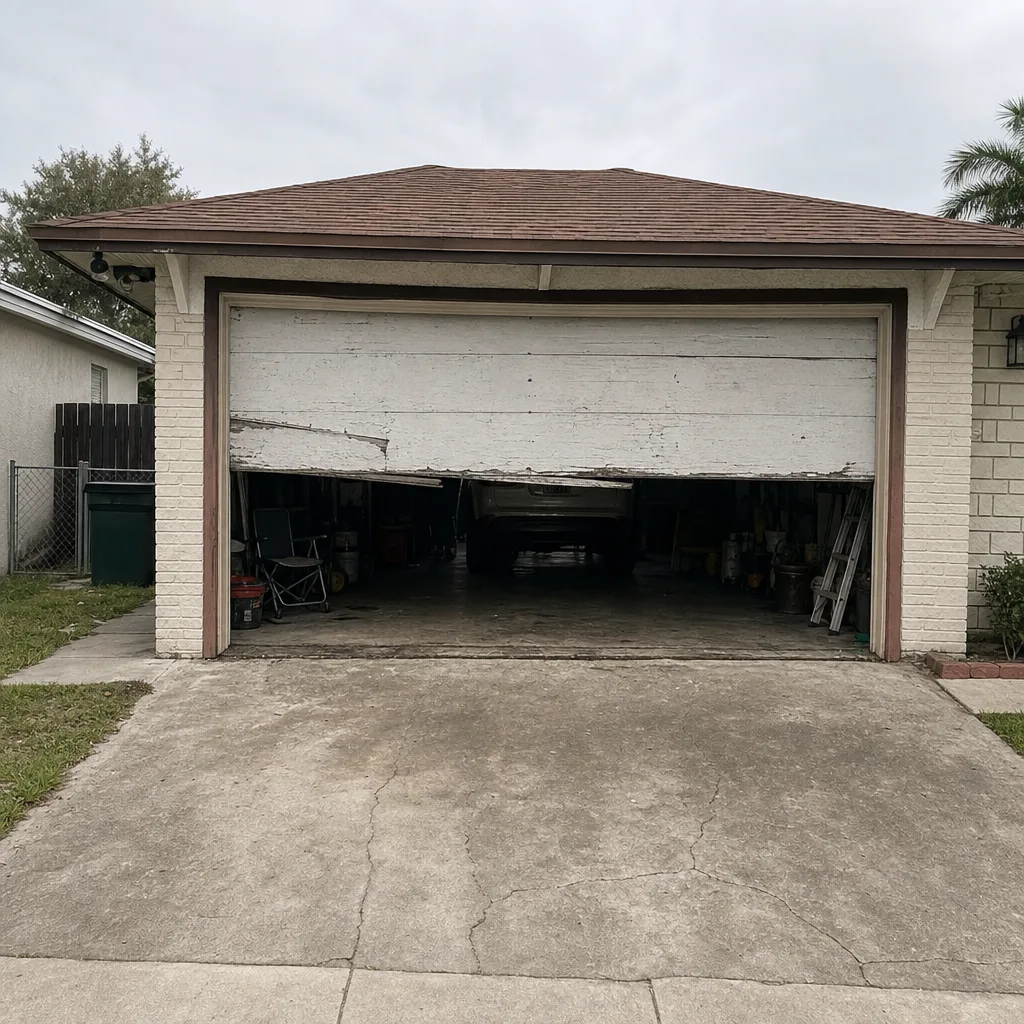 Before
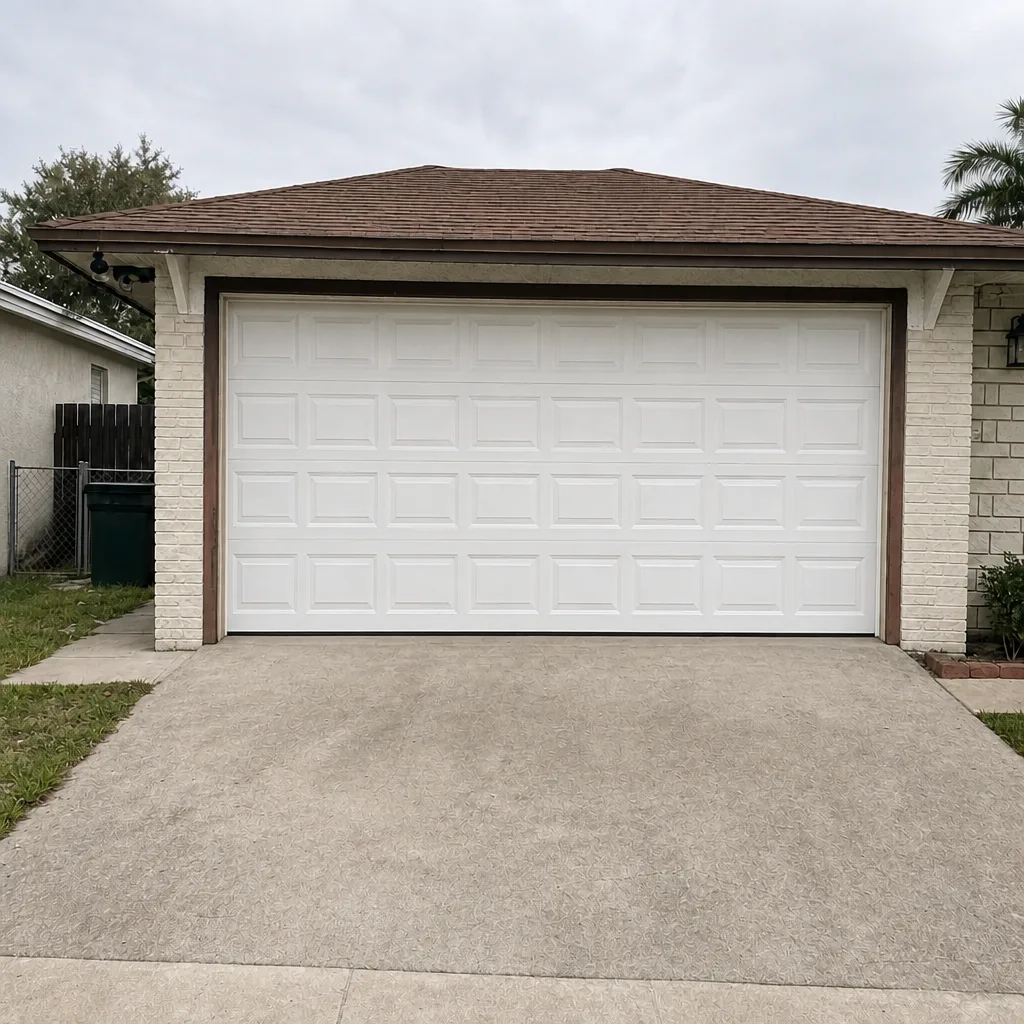 After
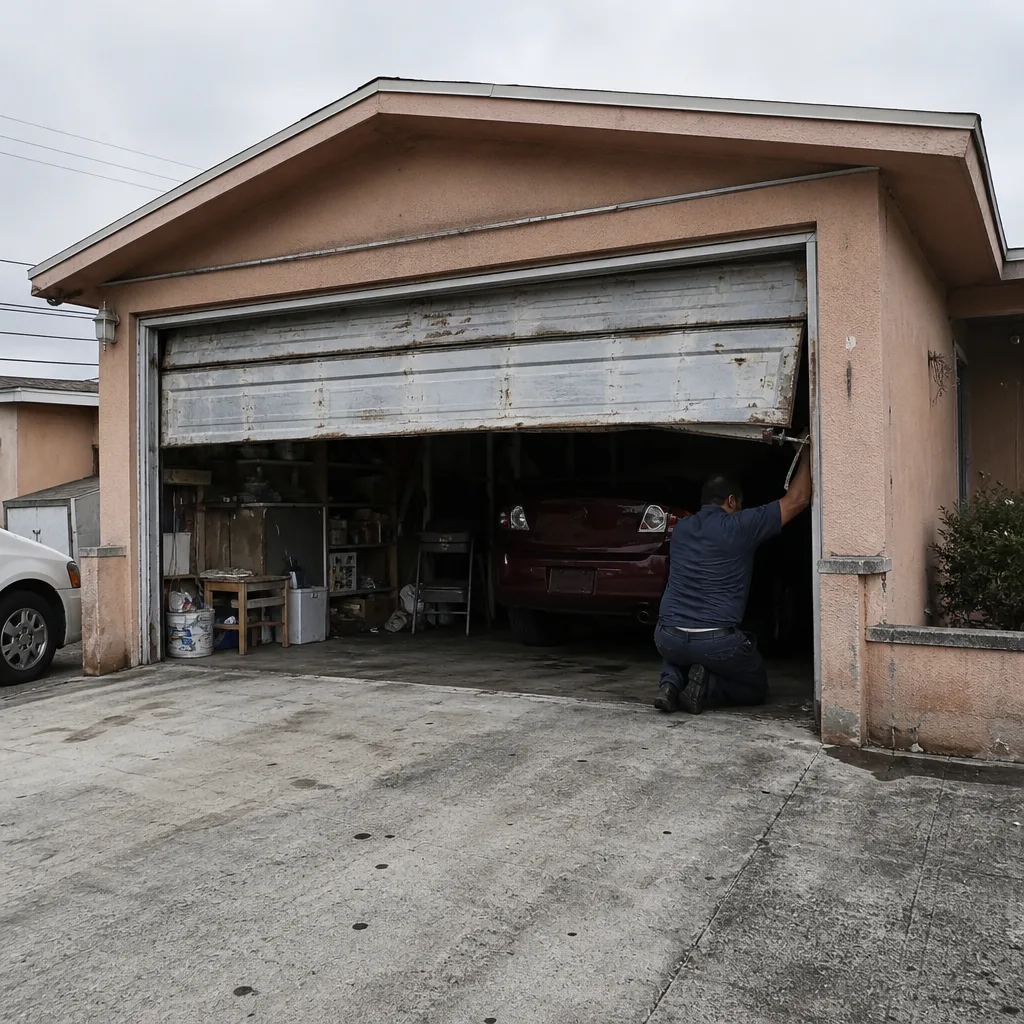 Before
 After
 Before
 After
When to Call a Professional
Call a specialist when the job involves more than springs, cables, or an opener. A full replacement, a change to the door opening, or a model that needs product approval verification are all cases where a licensed garage door professional with an eye on Hialeah’s requirements is the right call. Spring and cable work is dangerous and belongs with trained hands regardless of permit questions. Our technicians have up to 9 years of experience across major door and opener brands, and every job we take on is a garage door job, so we know how the paperwork and inspections play out in this city. Rutherford Garage Door Repair offers free estimates in Hialeah. Call (877) 326-5883 to get a written price for your job. Estimates are free, and the written estimate sets the final price.
Frequently Asked Questions
Yes. A full garage door replacement requires a permit from the City of Hialeah Building Department, and the door must carry Miami-Dade product approval for the High-Velocity Hurricane Zone. The permit isn’t just paperwork; it includes inspections that verify the door is installed to the approved plans. Call (877) 326-5883 if you’d like to talk through what your specific project needs.
No. A full door replacement is a permitted project in Hialeah regardless of whether the size or style matches what was removed. Matching the old door doesn’t take the job out of permit territory. It can still matter for product approval, since the exact model and size need to be approved for this zone. Call (877) 326-5883 for a free estimate and a clear explanation of your project.
Turnaround varies with the completeness of the application and the building department’s current workload. Straightforward residential replacements with a complete submittal move faster; incomplete submissions get sent back for corrections and lose days. Ask the department for its current processing time when you call. We plan installation schedules around a realistic buffer rather than promising a specific day. Call (877) 326-5883 for a free written estimate.
The rough-in inspection checks anchorage, product approval labels, and correspondence with the approved plans. The final inspection checks door operation, balance, safety reversal, and auto-reverse testing on the opener, along with the required warning labels. A clean inspection depends on an install that followed the approved plans from the start. Call (877) 326-5883 to discuss your project and get a free estimate.
It can. Lenders, title companies, and buyers can require proof of permitted work at resale, and a claim after a storm may become complicated when the installation wasn’t inspected to code. The risk follows the property, not the owner who skipped it. Call (877) 326-5883 for a free estimate; we’ll walk you through the documents you’ll want on file.
We can guide you through what the City of Hialeah requires for a garage door replacement, including product approval verification for the door model and what to keep on file after the job. Whether we’re installing a Clopay or Amarr door, the paperwork should be part of the plan, not an afterthought. Call (877) 326-5883 to talk through your installation.
The Bottom Line
The permit question in Hialeah comes down to this. A full garage door replacement is a regulated project: it needs a city permit, a door model with Miami-Dade product approval, and passing inspections. Repairs almost never need a permit, which is one more reason to start with repair before assuming you need a new door. If you do replace, treat the paperwork as part of the job, not an optional extra. Keep the permit, inspection records, and NOA with your home documents. Because the risk travels with the property, doing it right protects you and the next owner. That’s the kind of job where a specialist makes the difference.
Have a garage door question? Call us at (877) 326-5883 for a free estimate and a straightforward answer about your Hialeah home. If you’d rather see what else we take on, our page for Hialeah covers how we work in the city. We answer 24/7. Fast dispatch from 7am to 7pm, Sunday through Friday.
Written by the team at Rutherford Garage Door Repair.