
Last updated November 15, 2026
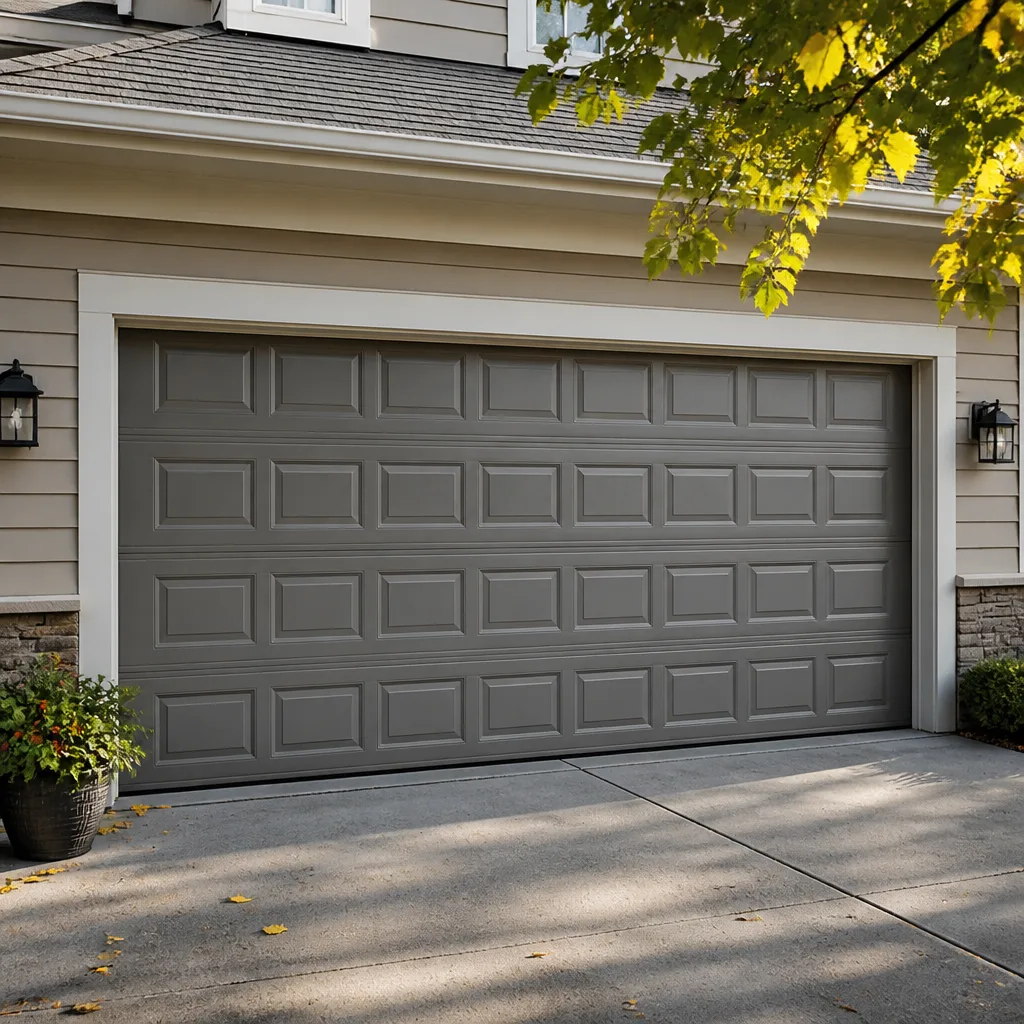 Raised-panel steel
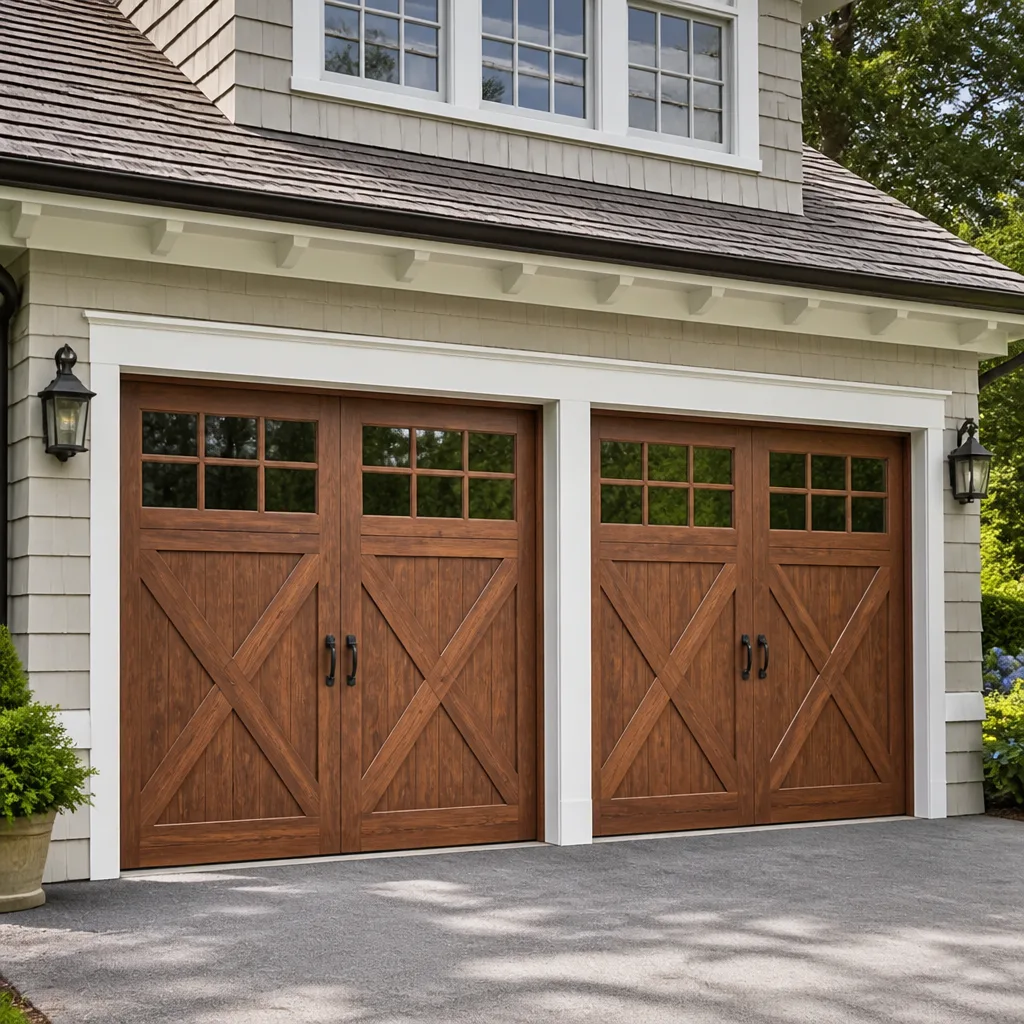 Carriage house
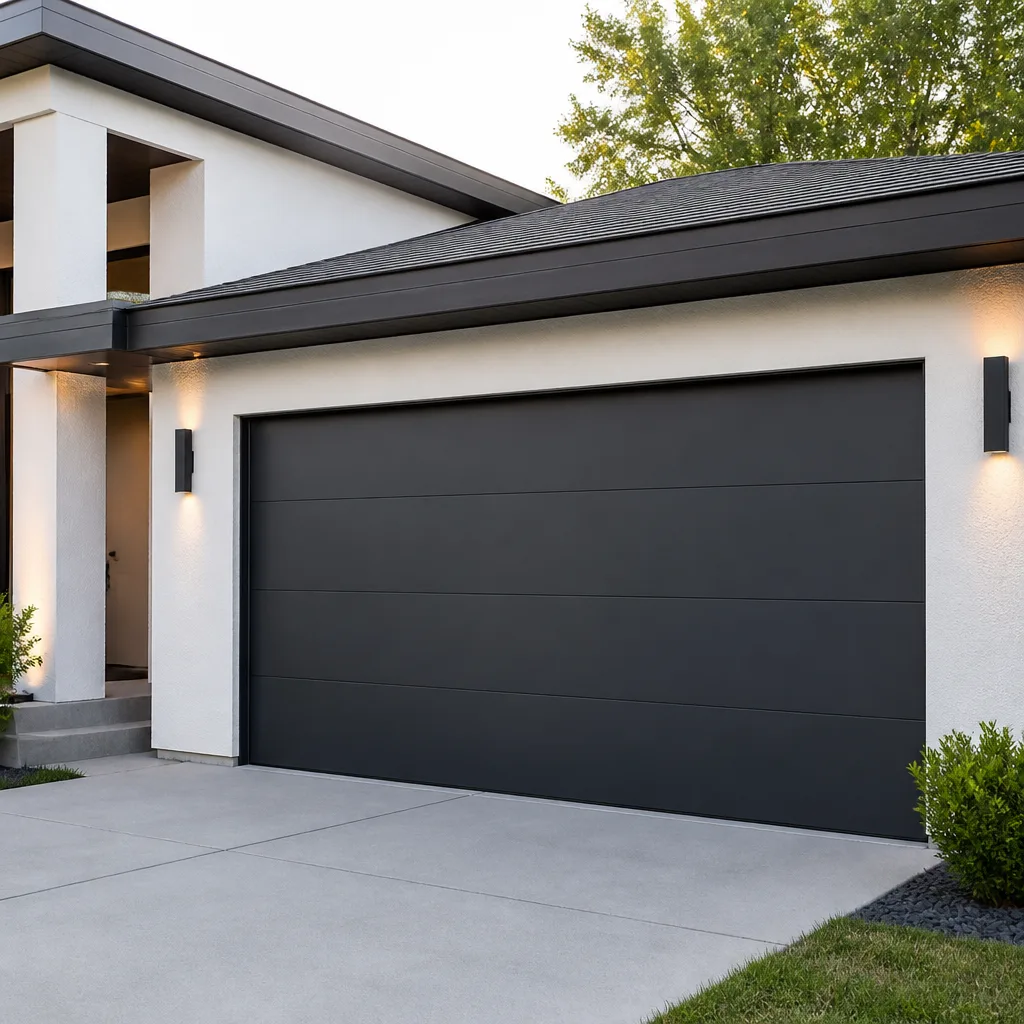 Modern flush
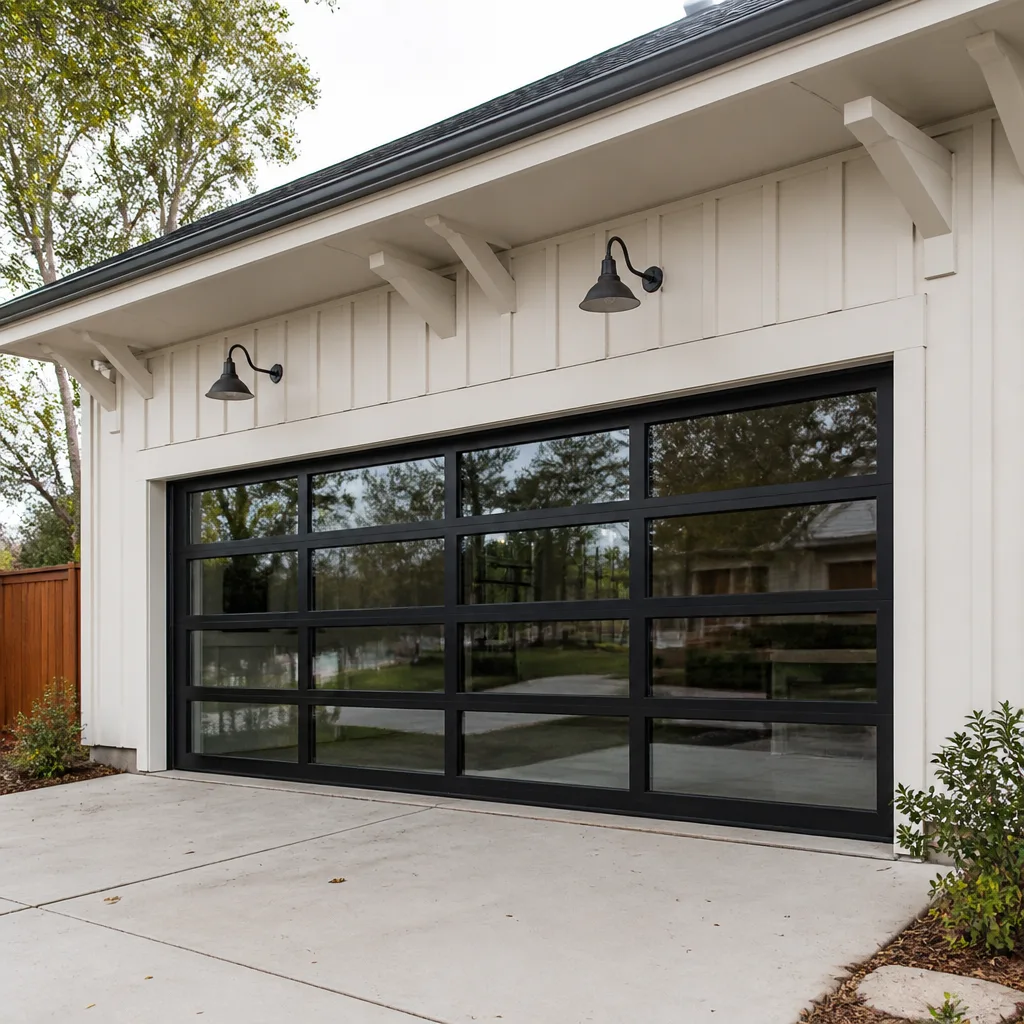 Full-view glass
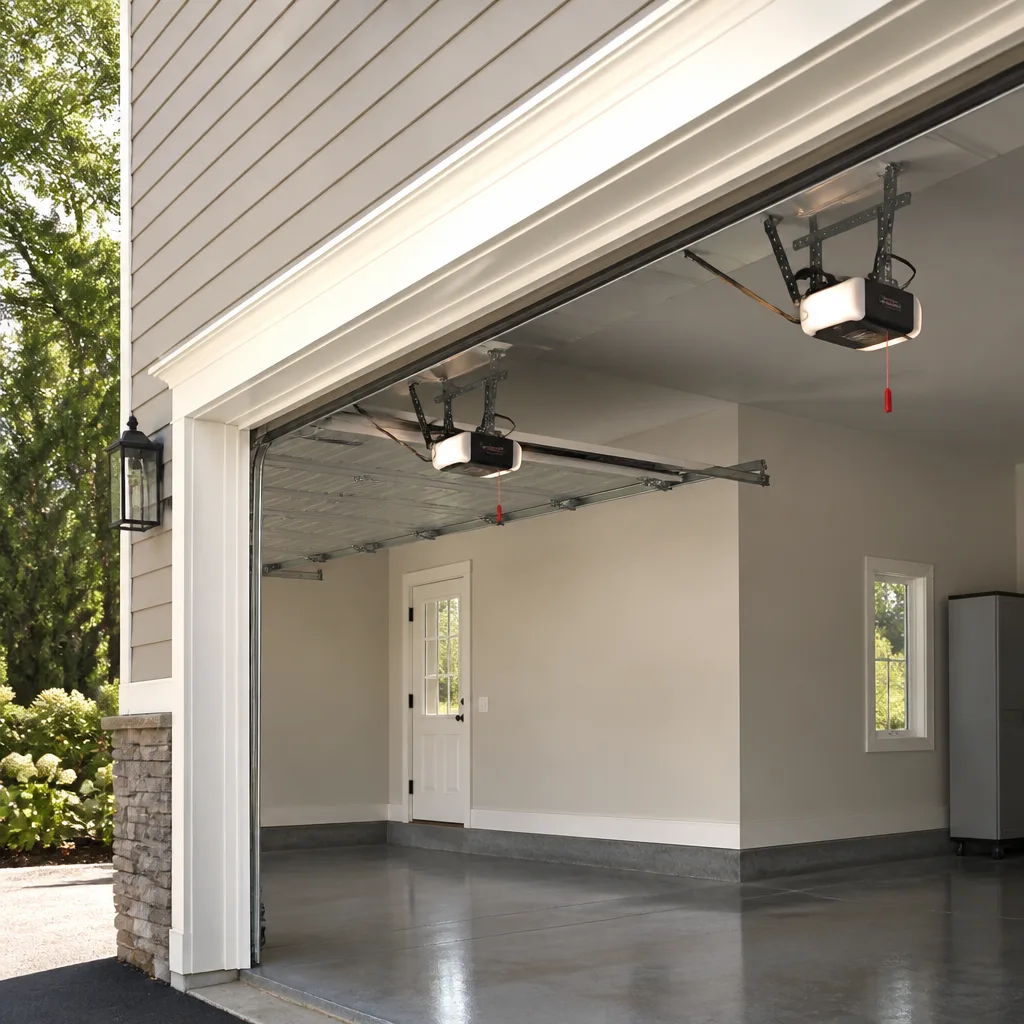 LiftMaster openers
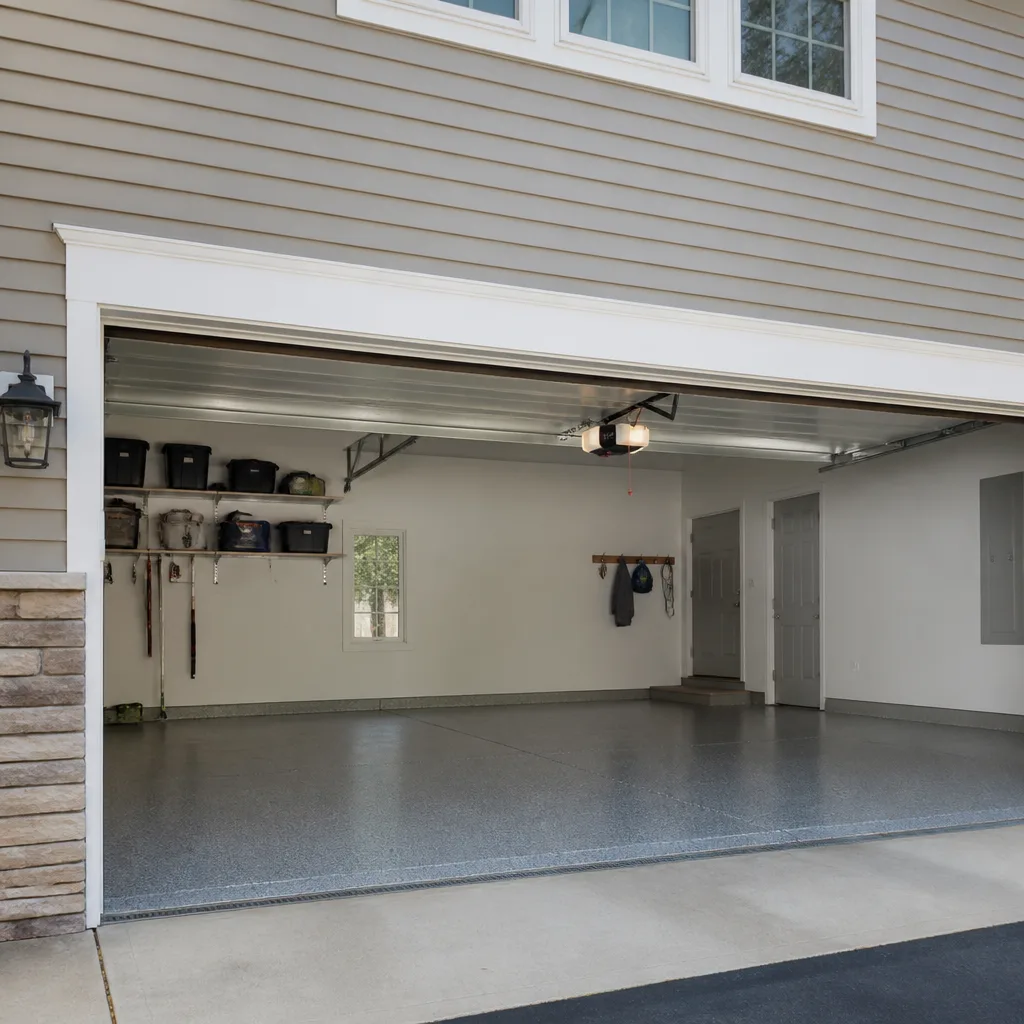 Chamberlain openers
Full 25-point door and opener safety check with every visit - springs, cables, rollers, tracks, and your LiftMaster or Chamberlain opener included
You get a price before we start. It does not change when the pro arrives.
Get your free estimateGarage Door Repair Maintenance Checklist for Hialeah Homeowners
Most garage door maintenance advice floating around online was written for a climate that doesn’t exist here. “Lubricate once a year and you’re fine” holds up in dry, stable air. In Hialeah, where humidity hangs heavy most of the year and the afternoon sun bakes the concrete slab your door sits on, hardware degrades on a different schedule. Springs rust from the inside out before you notice. Rollers gum up with grit that sticks to the wrong kind of lubricant. Bottom seals stiffen and split because the slab underneath stores heat long after the sun drops. This checklist is built for those conditions. You’ll learn which tasks you can safely handle yourself, which ones belong in a technician’s hands, and what to inspect so a small problem doesn’t turn into a door that won’t open.
Quick Answer
A practical garage door maintenance checklist for Hialeah homeowners covers six components: springs, cables, rollers, tracks, weatherstripping, and the opener. Inspect monthly for rust, fraying, and alignment, lubricate moving parts with a moisture-resistant product every few months, and replace the bottom seal when it stiffens or splits. Anything involving spring tension or cable tension needs a trained technician, not a homeowner.
Styles & brands we work with
- Raised-panel steel
- Carriage house
- Modern flush
- Full-view glass
- LiftMaster openers
- Chamberlain openers
Table of Contents
- Why Hialeah Conditions Change the Maintenance Schedule
- Springs: The First Component Humidity Attacks
- Cables: How to Spot Fraying Before It Fails
- Rollers and Hinges: Lubrication That Works in Humid Air
- Tracks: Alignment Checks You Can Do Safely
- Weatherstripping: The Bottom Seal Dies First
- Opener Maintenance: What to Adjust and What to Leave Alone
- DIY vs. Technician: Where the Line Sits
Why Hialeah Conditions Change the Maintenance Schedule
Every national maintenance guide assumes stable temperature and low humidity. Neither applies here. Hialeah sits in a subtropical climate where relative humidity stays high across most of the year and summer heat pushes garage interiors well past what the thermostat inside the house reads. That combination changes how fast metal oxidizes and how quickly rubber compounds lose flexibility.
Three local factors drive the timeline:
- Humidity and condensation. Metal hardware cycles between warm and cool through the day. Moisture condenses on cooler surfaces, and torsion springs, cables, and hinges collect it. Uncoated steel starts showing surface rust faster here than in drier climates, and rust pits the metal where stress cracks begin.
- Heat absorption through the slab. Garage floors are poured concrete. Concrete absorbs and holds heat, then radiates it upward into the garage long after the outdoor temperature drops. The bottom seal sits directly on that surface, and constant heat exposure stiffens the rubber and accelerates cracking.
- Long sun exposure on south and west-facing doors. A door facing the afternoon sun gets UV and heat on its panels day after day. Paint fades, steel skin expands and contracts, and the weatherstripping around the frame dries and pulls away at the corners.
What this means in practice: a maintenance routine built for a mild, dry climate gets compressed from “once a year” to “every few months” for the parts that rust and dry out. Springs, cables, seals, and lubricated joints need more frequent attention in Hialeah than the standard calendar suggests. If you’re scheduling garage door repair, the technician who inspects the door is also the right person to tell you which components are close to failing and which have years left.
Springs: The First Component Humidity Attacks
Torsion and extension springs carry the weight of the door, and they live exposed to the air in your garage. In Hialeah’s humidity, a powder-coated or oil-tempered spring can develop surface rust that turns into pitting, and pitting is where a spring eventually snaps. Spring life is measured in cycles, not calendars, but corrosion shortens that cycle count. A spring that would have lasted its full rated cycles in a dry climate can fail earlier when rust weakens the wire.
What to inspect, from the floor and without touching anything:
- Look at the spring coil from a distance in good light. Surface rust is normal and manageable. Deep pitting, flaking, or a visible gap in the coil is not.
- Check the color. A spring that has turned uniformly dark brown or orange across its whole length is telling you corrosion is advanced.
- Listen. A sharp pop from the garage, followed by a door that suddenly feels heavy and won’t lift, usually means a spring has broken.
- Watch the door’s travel. If it opens a few feet and stops, or the opener strains to lift it, the spring may have lost tension.
Here’s the part we won’t soften: springs are under extreme tension, and a torsion spring carries enough stored energy to cause serious injury if it releases while you’re near it. Never adjust, wind, unwind, or remove a spring yourself. That’s a job for a trained technician with the right winding bars. Our technicians have up to 9 years of experience and know how a spring should look and sound before it fails. Call (877) 326-5883 if a spring looks rusted or the door has started to feel heavy. We answer 24/7. Fast dispatch from 7am to 7pm, Sunday through Friday.
Cables: How to Spot Fraying Before It Fails
Cables run along the sides of the door and connect the springs to the bottom brackets. They’re under tension too, and they fail in a very predictable way: one broken strand at a time. In humid conditions, cables rust, the strands lose strength, and the cable starts to fray at the drum or where it bends through a pulley. A frayed cable can whip loose when it snaps, which makes any inspection a look-only activity.
How to check cables on a Hialeah door:
- Start with the door fully closed. Look at the cables running vertically on each side.
- Run your eyes along the length. A healthy cable is smooth and even. Fraying shows as a fuzzy, rough patch or individual strands sticking out.
- Check the bottom corners where the cable loops through the bracket. Look for rust staining on the metal or the cable itself.
- Look at the drums at the top of the door. A cable that has jumped a groove or is wrapped unevenly needs attention.
What you do not do is touch the cable or attempt to adjust tension. Cables and springs work as a system, and releasing tension on one affects the other. A technician can replace a frayed cable before it breaks, which is far cheaper and safer than dealing with a snapped cable and a door that dropped off level. If you see fraying, stop using the door and call for garage door repair.
Rollers and Hinges: Lubrication That Works in Humid Air
This is the task where the wrong product does more harm than good. The standard advice is to spray the rollers, hinges, and tracks with whatever lubricant is on the shelf. In a humid climate, that advice backfires. Grease and petroleum-based sprays attract dust and grit, which sticks to the lubricant and turns into an abrasive paste. The rollers grind instead of glide, and the grit works its way into the bearings. Meanwhile, the oil itself can trap moisture against the metal.
What actually works in Hialeah:
- Use a silicone-based or lithium-based lubricant designed to resist moisture. These dry to a film rather than staying wet and tacky, so grit doesn’t cling.
- Avoid heavy grease, WD-40 as a long-term lubricant, and cooking-oil shortcuts. All three attract grit and moisture in humid air. WD-40 displaces water but isn’t a lasting lubricant for moving parts.
- Wipe the surfaces before you lubricate. A clean roller and hinge hold the lubricant where it belongs.
- Nylon rollers generally need less maintenance than steel ones in humid conditions because they don’t rust. Metal rollers with sealed bearings hold up better than open-bearing steel.
Apply lubricant to the roller axles and the hinge pivots, not the track surface itself. A thin film on the track is fine; a wet coat just collects dirt. A few times a year is a reasonable cadence in Hialeah’s humidity. If a roller is flat-spotted, cracked, or wobbling in its bracket, it needs replacing rather than lubricating.
Tracks: Alignment Checks You Can Do Safely
Tracks are the metal rails the rollers ride in. They don’t wear out quickly, but they bend. A door that gets bumped, or a car that backs into the frame, knocks the track out of alignment, and a misaligned track drags the rollers and strains the opener. Humidity doesn’t bend the track directly, but rust and loosened mounting hardware can let the rails shift over time.
A safe visual check:
- With the door closed, look down the length of each vertical track. It should be straight and parallel to the door frame with an even gap.
- Check the bolts that hold the tracks to the wall and ceiling. Loose bolts let the track move. Tighten gently, but don’t overtighten old or rusted hardware.
- Watch the door travel as it opens. If the door shudders, scrapes, or the rollers pop out of the track, stop and get a technician to look at it.
- Look for rust on the track surface. Rust creates friction, and friction wears rollers.
What you should not do is bend a track back into shape by force. Tracks are adjusted with care, and bending them by hand usually makes alignment worse. If a track is visibly out of line or the door binds, that’s a technician task. If your door uses Clopay or Amarr hardware, the track and mounting tolerances are specific to the system, and someone who knows those brands will get the alignment right the first time.
Weatherstripping: The Bottom Seal Dies First
The bottom seal, or astragal, is the rubber strip along the bottom of the door. It’s the first weatherstripping to fail in Hialeah, and the reason comes down to the concrete slab. Garage slabs absorb heat through the day and pass it into the seal where it meets the floor. Heat plus UV exposure stiffens the rubber, and a stiffened seal cracks, tears, or flattens until it no longer makes contact with the floor.
How to inspect it:
- With the door closed, look along the seal from the inside. Daylight coming through means the seal has failed.
- Press the rubber with a gloved hand. It should feel flexible. If it’s hard, brittle, or flaking, it’s degraded.
- Check the sides and top weatherstripping where it meets the frame. In Hialeah, corners dry out and pull away first because they get the most sun and heat.
- Look for water staining on the garage floor near the door. That’s the seal letting water in during heavy rain.
Weatherstripping inspection should happen a few times a year, and the bottom seal is often the one to go first on a Hialeah door. A failed seal isn’t just a water and bug entry point. It also lets cooled air escape from the house into the garage, which shows up on your energy bill. Replacing a bottom seal is a job most careful homeowners can handle with the right replacement strip. If the frame weatherstripping has pulled loose, a technician can re-seal it while checking the rest of the door.
Opener Maintenance: What to Adjust and What to Leave Alone
The opener is the one part of the system with electronics, and its maintenance needs are more about testing safety features than lubricating parts. Openers from LiftMaster, Chamberlain, Genie, and Craftsman all share the same core safety features, and those features are what you check.
A monthly opener check:
- Test the safety reverse. Place a small object like a roll of paper towels in the door’s path and close it. The door should reverse on contact. If it doesn’t, the opener needs adjustment before someone gets hurt.
- Test the photo-eye sensors. With the door open, wave an object in front of the sensors mounted near the floor. The door should not close. Wipe the sensor lenses clean, since dust and humidity film can block them.
- Listen to the opener. Grinding or straining sounds can mean the door is out of balance and the opener is working too hard, or a gear inside the opener is wearing.
- Check the balance of the door itself. Disconnect the opener with the manual release with the door closed, then lift the door halfway by hand. A well-balanced door stays put. A door that drops or rises on its own is out of balance and needs spring or cable work.
What to leave alone: the force settings and limit adjustments. Those are calibrated to your door’s weight and travel, and changing them can disable the safety reverse. If the door reverses for no reason, won’t close all the way, or the opener runs but the door doesn’t move, that’s a call for garage door opener repair. In many cases the opener itself is fine and the door is the problem, and a technician can tell you which.
DIY vs. Technician: Where the Line Sits
The single most useful decision in any maintenance routine is knowing which tasks belong to you and which belong to someone trained to do them. Getting this wrong is how homeowners get hurt. Here’s the line.
Safe for a careful homeowner:
- Visual inspection of springs, cables, tracks, and weatherstripping
- Lubricating rollers and hinges with a moisture-resistant product
- Cleaning photo-eye sensor lenses
- Testing the safety reverse feature
- Replacing a bottom seal using the correct replacement strip
- Wiping tracks clean and tightening loose mounting bolts gently
Requires a trained technician:
- Any adjustment, winding, or replacement of torsion or extension springs
- Any work on the cables, including adjustment and replacement
- Realigning tracks that have bent
- Balancing the door after spring or cable work
- Adjusting opener force settings or limit switches
- Any repair where the door has come off track or won’t move
Springs and cables are under high tension and can release violently. That’s not a warning to work around, it’s the reason those tasks belong to a technician. If your Hialeah home has an older Wayne Dalton or Craftsman door, the hardware may be original, and a professional inspection can tell you whether the springs and cables are still sound or past their useful life.
Common Mistakes to Avoid
- Using grease or heavy oil on rollers and tracks. In Hialeah’s humidity, grease turns tacky and collects grit. The grit grinds the rollers and shortens their life. Use a silicone or lithium lubricant instead.
- Postponing spring inspection because the door still opens. A rusted spring can work fine until the day it snaps. Routine visual checks catch pitting before the spring fails, and that’s when replacement is cheaper and safer.
- Ignoring a stiff bottom seal. A hardened seal doesn’t seat against the slab. In Hialeah’s heat, a seal that felt fine last season can crack over one summer. Check it a few times a year.
- Trying to fix a frayed cable with pliers. Cables under tension can whip loose, and crimping a cable weakens it further. A frayed cable means the door should stay closed until a technician replaces it.
- Adjusting opener force to compensate for a heavy door. Turning up the force to lift a binding door masks a spring or balance problem and disables the safety reverse. Fix the door, not the force setting.
- Bending a track back by hand. Hand-bending usually makes alignment worse and can pop rollers out. Tracks need proper adjustment.
- Following a national maintenance calendar in a subtropical climate. Once-a-year lubrication and inspection was written for a different climate. In Hialeah, the schedule needs to be tighter for springs, seals, and joints.
See the difference
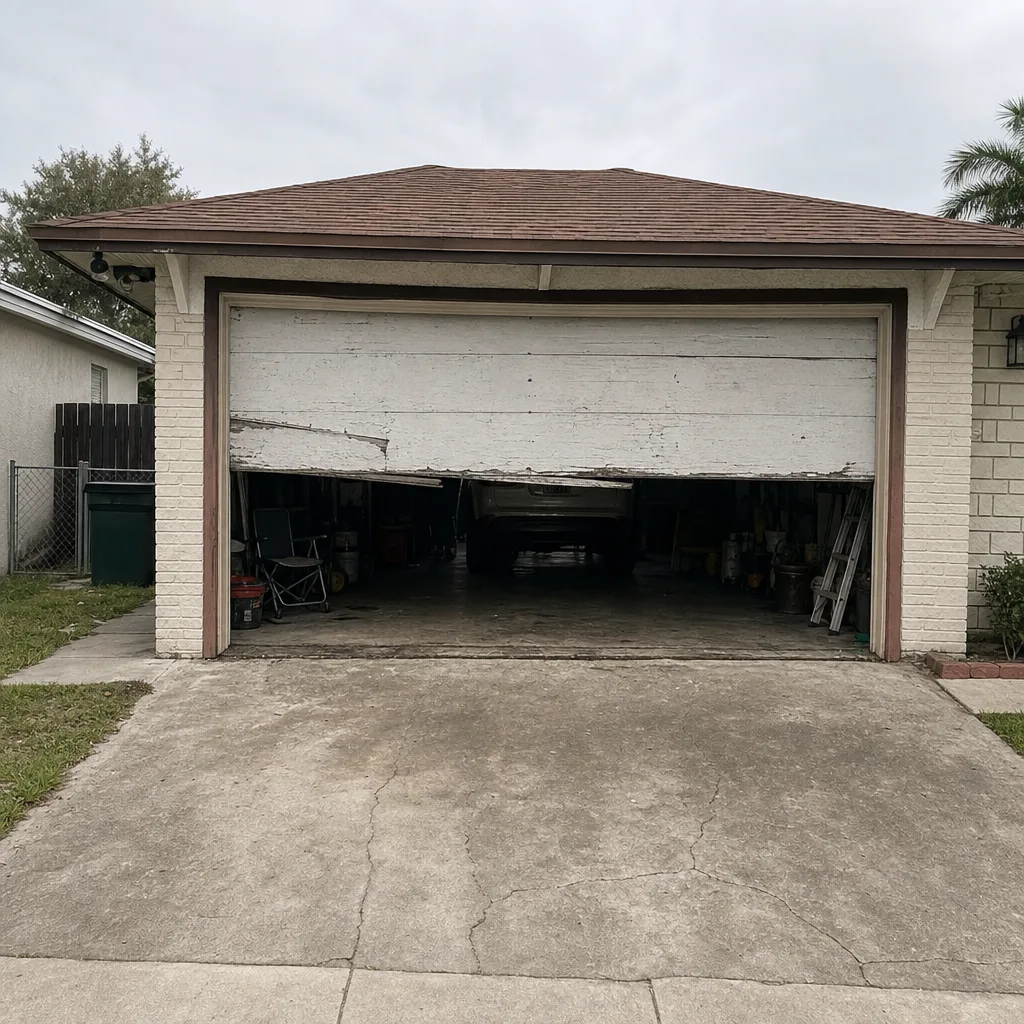 Before
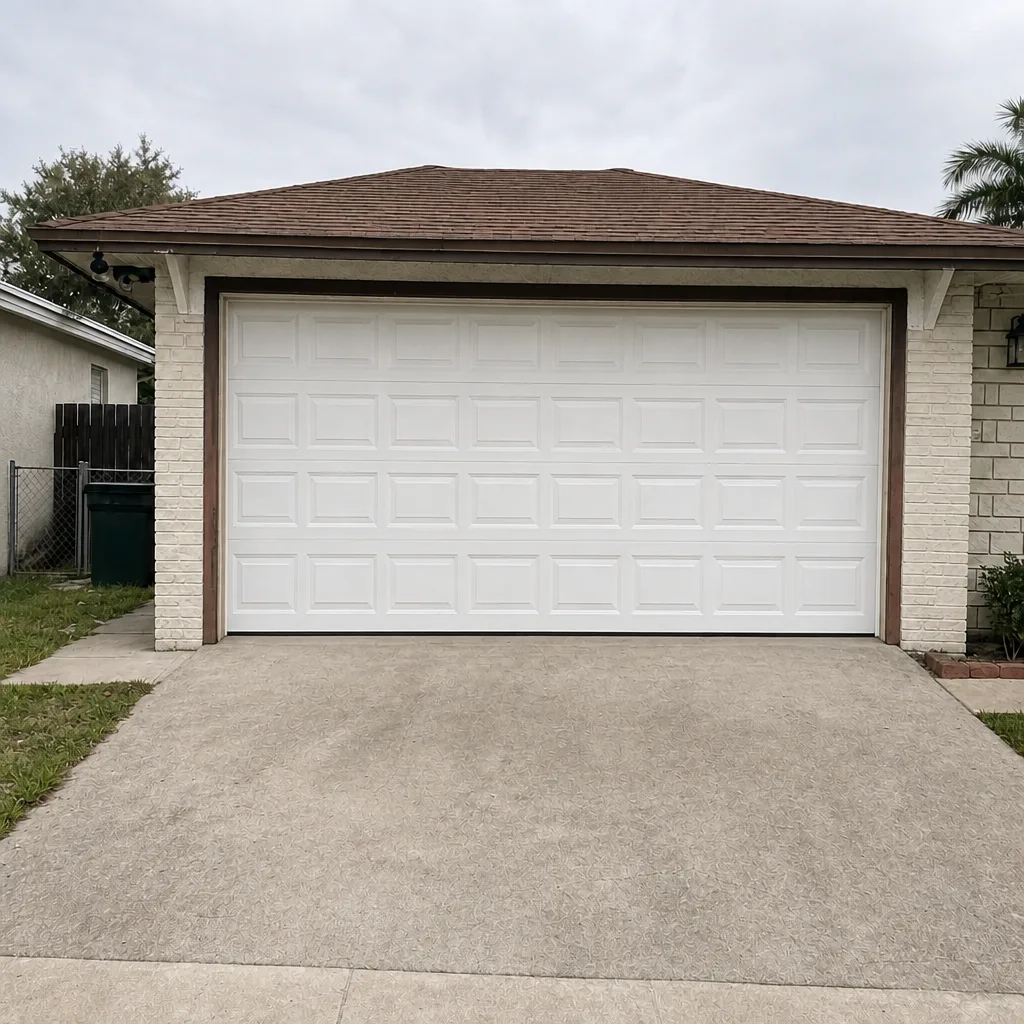 After
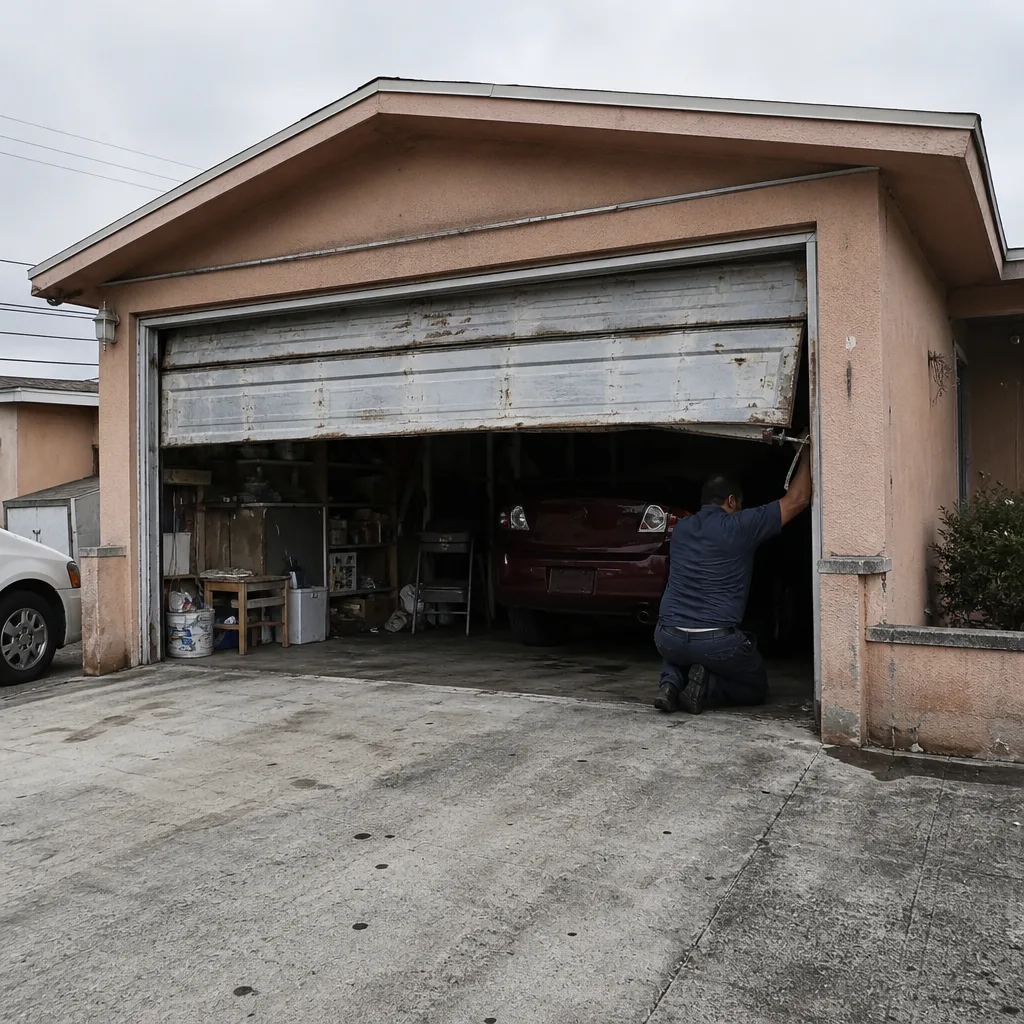 Before
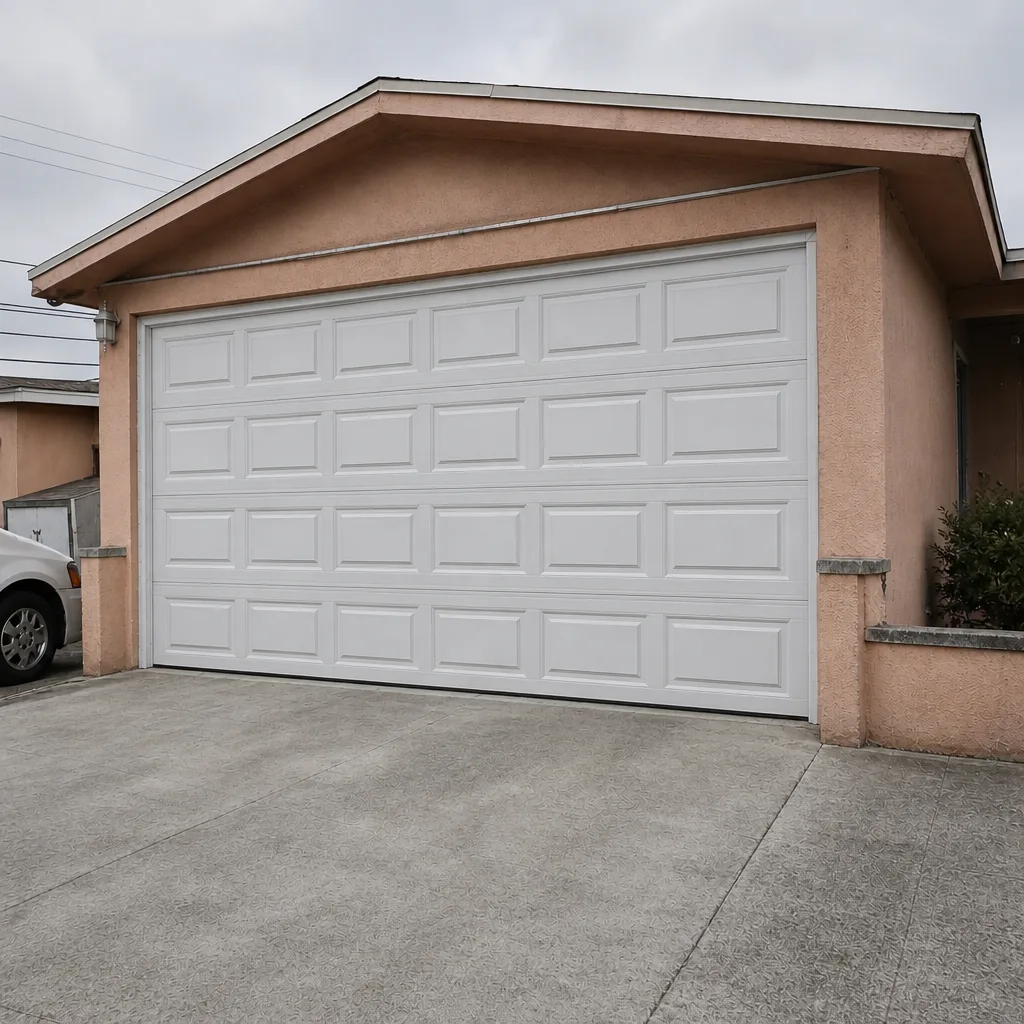 After
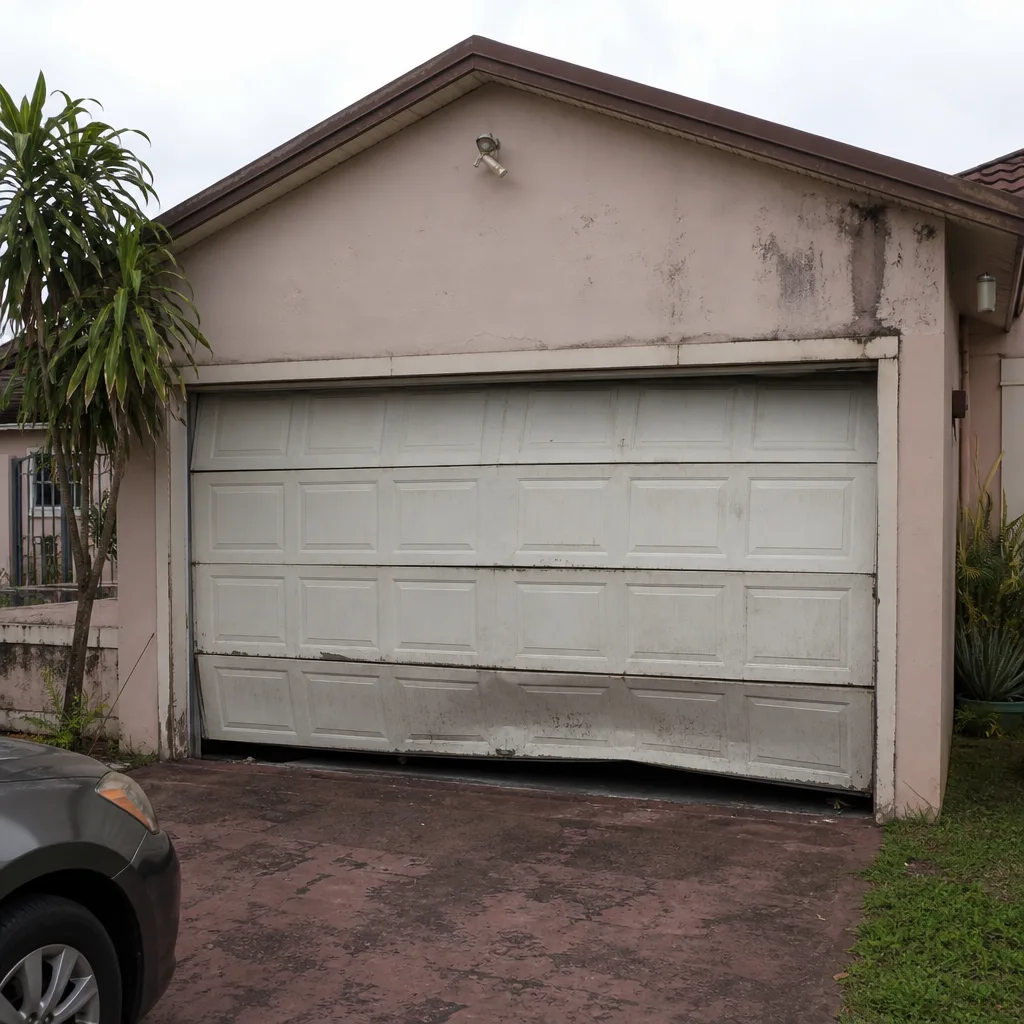 Before
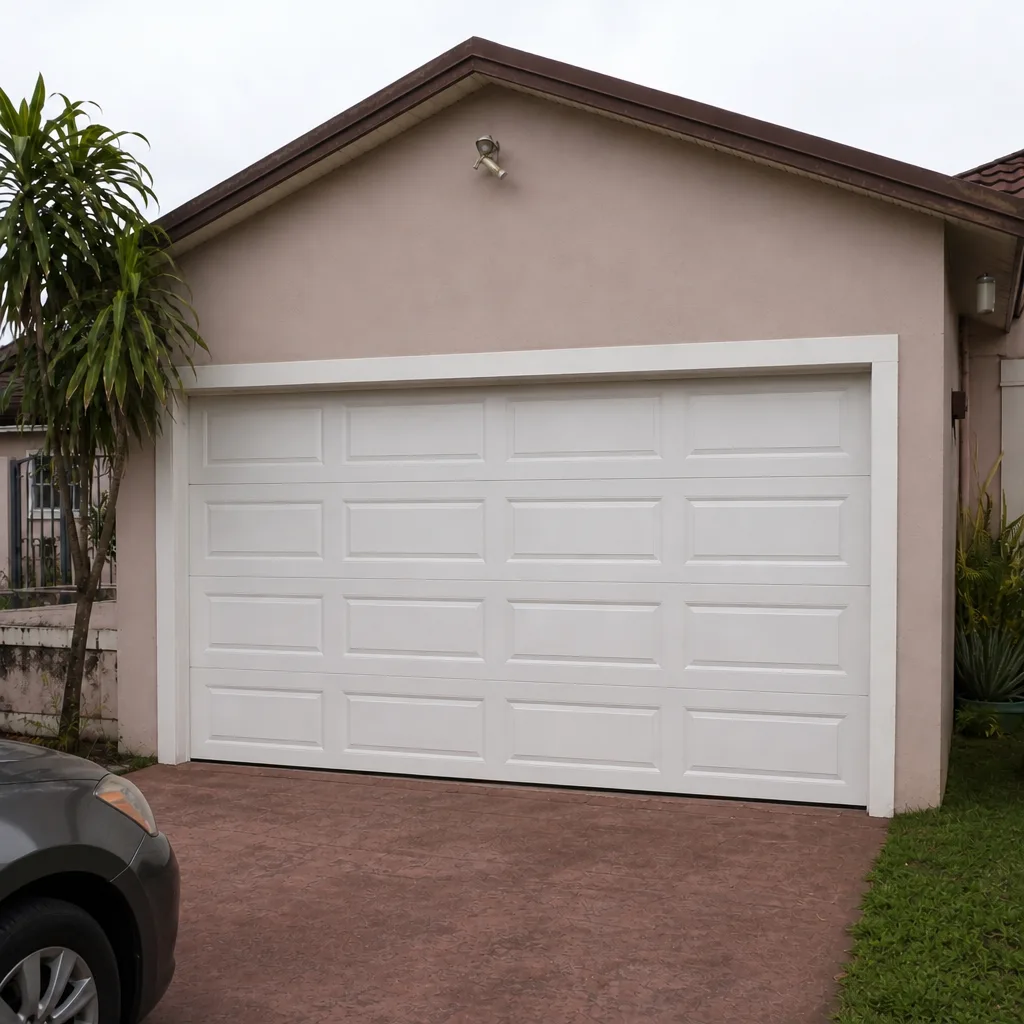 After
When to Call a Professional
Some problems are meant for a technician, and calling one early is cheaper than waiting. Call us if a spring looks pitted or rusted along its coil, if a cable is frayed, if the door has come off track or binds as it moves, if the opener reverses for no reason, or if the door feels heavy and the opener strains to lift it. Those point to spring, cable, track, or opener problems that a maintenance routine can catch but can’t fix. Our technicians have up to 9 years of experience, and we work on doors and openers from Clopay, Amarr, Wayne Dalton, and five other major brands. We diagnose by what the brand typically does when it fails, not by guesswork. Rutherford Garage Door Repair offers free estimates in Hialeah. Call (877) 326-5883. We answer 24/7. Fast dispatch from 7am to 7pm, Sunday through Friday.
Frequently Asked Questions
Plan on inspecting monthly and lubricating rollers and hinges every few months. Hialeah’s humidity and heat shorten the interval that national guides recommend. Springs, cables, and the bottom seal need eyes on them more often than the once-a-year standard, because rust and heat damage move faster here.
You can apply a light lubricant to the surface of a torsion spring for rust protection if it’s exposed and safe to reach, but you must never adjust, wind, or unwind it. Springs are under extreme tension and a released spring can cause serious injury. If the spring looks pitted or the door feels heavy, call (877) 326-5883 for an inspection instead.
The concrete slab in a Hialeah garage absorbs heat through the day and passes it into the rubber seal. Combined with UV sun exposure, that heat stiffens the rubber until it cracks. Replacing the seal with a flexible, UV-resistant strip and checking it a few times a year keeps it working longer.
If the door is heavy, binding, or won’t lift evenly, the springs or cables are usually the cause. If the opener runs but the door doesn’t move, or the door reverses for no reason, the opener may be at fault. An unbalanced door puts strain on the opener, so a technician checks the door before assuming the opener is the problem.
Disconnect the opener with the manual release with the door closed, then lift the door halfway by hand. A balanced door stays where you leave it. A door that drops or rises on its own is out of balance and needs a technician to check the springs and cables before using it.
We repair openers first. Most opener problems come down to sensors, force settings, or a worn part, and fixing those keeps you from replacing a full system when only one component needs attention. If the opener is beyond repair, we’ll tell you honestly and quote a replacement in Hialeah. Call (877) 326-5883 for a free estimate.
The Bottom Line
A garage door maintenance checklist for Hialeah has to account for humidity and heat, not just the standard calendar. Inspect springs and cables monthly for rust and fraying, lubricate rollers and hinges with a moisture-resistant product every few months, and check the bottom seal for heat damage on the concrete slab. Handle the safe tasks, leave springs, cables, and track alignment to a technician, and call when something looks wrong. That routine keeps a Hialeah door opening smoothly and catches failures before they happen. Whether your door is a Clopay, Amarr, or Wayne Dalton, the inspection process is the same.
If anything on your checklist looks off, or you’d rather have a trained eye on it, call Rutherford Garage Door Repair at (877) 326-5883 for a free estimate. We answer 24/7. Fast dispatch from 7am to 7pm, Sunday through Friday. You can also read more about our Rutherford Garage Door Repair team and our service across Hialeah.
Written by the team at Rutherford Garage Door Repair.